Human Ecology
Please review each article prior to use: grade-level applicability and curricular alignment might not be obvious from the headline alone.
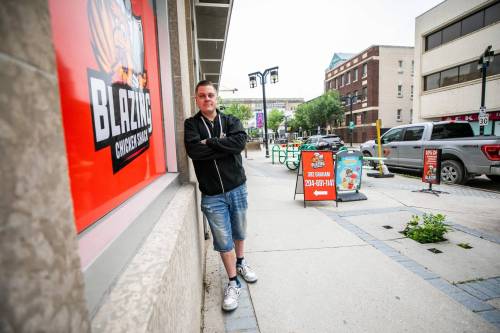
Businesses report ongoing struggle amid reduced walk-by traffic 1 year into Graham Avenue transit corridor rework
6 minute read Preview Saturday, Jul. 4, 2026

The dream of the ’90s is alive in summertime
4 minute read Preview Saturday, Jul. 4, 2026Hepatitis A vaccine eligibility expands ahead of Indigenous games
2 minute read Friday, Jul. 3, 2026The province has increased its eligibility for free hepatitis A vaccines ahead of the Manitoba Indigenous Summer Games.
People aged six months or older in Norway House Cree Nation and Sagkeeng Anicinabe Nation, anyone travelling to or working in these communities during the games, and people who have visitors from those communities are eligible for free hepatitis A vaccines.
The games take place July 8 to 12 in Norway House Cree Nation and Aug. 10 to 15 in Sagkeeng.
The current hepatitis A outbreak in Manitoba, first declared in April 2025, has affected communities in northern Manitoba, including an increasing number of cases in Winnipeg.

New Kevin Walters Plaza graced by art with heart
4 minute read Preview Friday, Jul. 3, 2026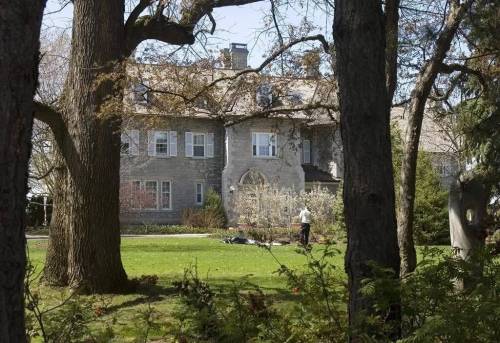
Plan for 24 Sussex Drive makes sense
4 minute read Preview Friday, Jul. 3, 2026
Governing by gimmick
5 minute read Preview Friday, Jul. 3, 2026We know who is at risk, but we wait anyway
4 minute read Friday, Jul. 3, 2026Children with disabilities are experiencing a mental health crisis and Manitoba’s systems are waiting for them to really struggle before they respond.
Across Canada, children with disabilities experience far higher rates of mental health challenges than their peers. Nearly three-quarters of children and youth with disabilities experience elevated mental health challenges. More than one-third score in the “very high” mental health difficulty category, a rate nearly 10 times higher than among children without disabilities.
Between 30 to 50 per cent of children with neurodevelopmental disabilities are diagnosed with mental health conditions, compared to eight to 18 per cent among typically developing children. This includes children with autism, ADHD, FASD, intellectual disabilities, learning disabilities and communication disorders.
Children who struggle with communication, sensory regulation, mobility, executive functioning, or social interaction are often excluded long before systems recognize the emotional consequences of that exclusion. Loneliness and exclusion are not side issues — they are public health issues for children with disabilities.
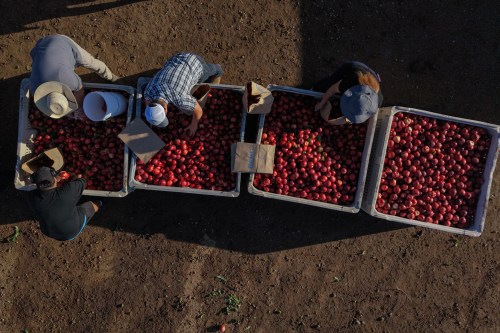
A California farmer is giving away tons of nectarines that he’s not allowed to sell
6 minute read Preview Thursday, Jul. 30, 2026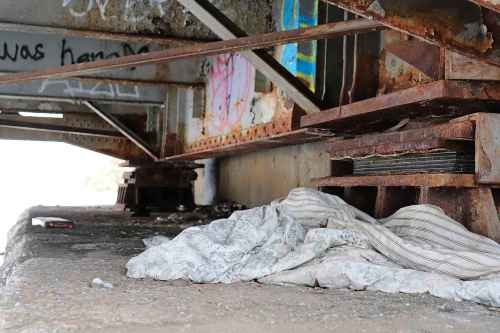
Harm-reduction efforts may often seem imperceptible — but it’s the only way to lasting change
7 minute read Preview Thursday, Jul. 2, 2026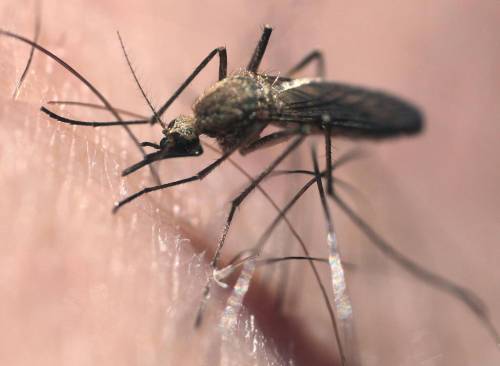
Mosquito surge expected after heavy rainfall
4 minute read Preview Thursday, Jul. 2, 2026Waywayseecappo First Nation sets sights on building battery energy storage systems, renewable projects via new venture
5 minute read Thursday, Jul. 2, 2026A Manitoba First Nation and former national chief are throwing their weight behind new-to-Manitoba energy storage methods amid projections of squeezed energy availability.
The province doesn’t have any utility scale battery energy storage systems. Through these, electricity is kept in electrochemical batteries until needed.
Volterra Technology creates the battery technology. It’s part of a new venture: Waywayseecappo Energy Alliance.
Other members include Waywayseecappo First Nation and Ishkonigan Inc., a consulting company founded by former Assembly of First Nations national chief Phil Fontaine. (Fontaine is a member of Sagkeeng First Nation in Manitoba.)
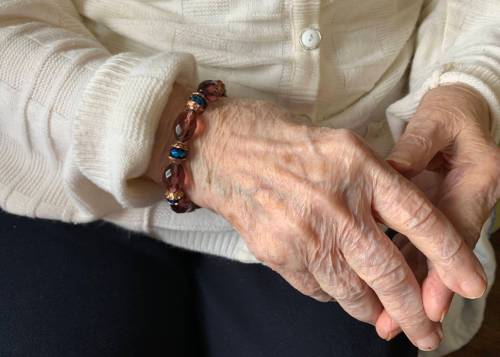
Fear of retaliation in care homes is a very real thing
5 minute read Preview Thursday, Jul. 2, 2026
City report recommends Red River Ex manage John Blumberg Sports Complex
3 minute read Preview Monday, Jun. 29, 2026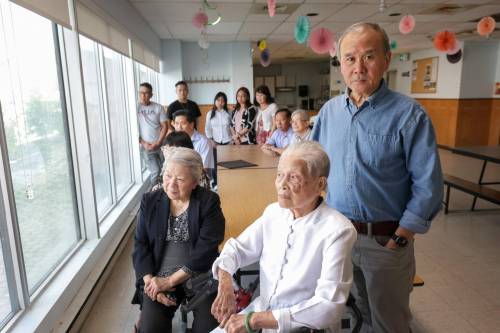
Saigon Centre residents fear loss of Vietnamese cultural space after Manitoba Housing takeover
4 minute read Preview Sunday, Jun. 28, 2026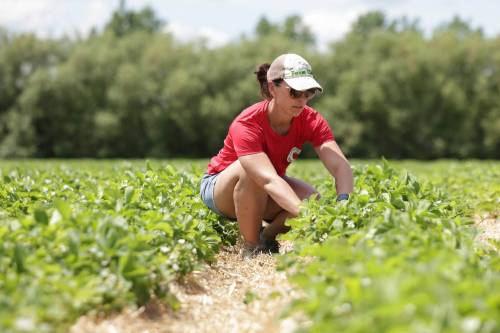
Berry farms brave storms, eye opening days
4 minute read Preview Saturday, Jun. 27, 2026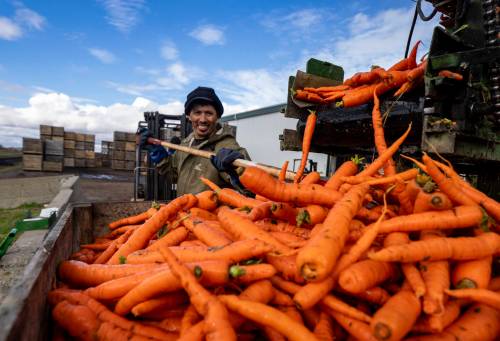
Farmers just one link in long supply chain
4 minute read Preview Saturday, Jun. 27, 2026
This old house is perfect
4 minute read Preview Saturday, Jun. 27, 2026
Vacation shouldn’t feel like workplace risk
6 minute read Preview Saturday, Jun. 27, 2026
Summer school for RESPs
5 minute read Preview Monday, Jun. 29, 2026
Rituals of ceremonies the cornerstone of Hindu weddings
8 minute read Preview Saturday, Jun. 27, 2026
Director brings Métis identity, language to silver screen
4 minute read Preview Friday, Jun. 26, 2026
Winnipeg Habitat home brings tears to the eye of single dad from Africa
4 minute read Preview Friday, Jun. 26, 2026