Financial Literacy
Please review each article prior to use: grade-level applicability and curricular alignment might not be obvious from the headline alone.

Tired of theft, local businesses consider IDing customers, making diners pre-pay
6 minute read Preview Thursday, Mar. 12, 2026
Show her the money
6 minute read Preview Saturday, Mar. 7, 2026
Tories say high-earners could flee if NDP targets province’s wealthiest in upcoming budget
5 minute read Preview Friday, Mar. 6, 2026
Spin Master sees loss, lower revenue in holiday quarter
4 minute read Preview Friday, Apr. 24, 2026
Google settles with Epic Games with offer to lower its app store commissions
4 minute read Preview Friday, Apr. 24, 2026Debt levels a worry for Prairie residents
4 minute read Tuesday, Mar. 3, 2026Nearly half of Manitobans have debt on their mind.
New data compiled by Ipsos on behalf of MNP Ltd. shows that 46 per cent of Manitoba and Saskatchewan residents say they are concerned about their current level of debt, a figure that went up six points between 2020 and 2025. More than two in five (44 per cent) regret the amount of debt they have taken on over their lifetime.
MNP, the largest insolvency practice in Canada, released the data Monday as it promotes Debt Literacy Month throughout March.
A debt literacy gap persists, the organization said in a news release. Borrowing has become more common amid cost-of-living pressures, and many Manitoba and Saskatchewan residents are unclear on how interest works in practice or how rate changes affect their own financial position.
Put fairness at centre of Manitoba budget
5 minute read Thursday, Feb. 26, 2026The thousands of Manitobans struggling to pay their rent and put food on the table are looking for relief in Manitoba’s upcoming spring budget. The wealthy are benefiting from the status quo; political leadership is needed to stop rising poverty and act on the gap between the rich and the rest of us. The Manitoba government must rise to the occasion and deliver strong policy responses to provide help and relief. Inaction will only let the income gap widen further.
Closing the gap between the rich and the rest of us is not only a moral and ethical imperative; it is also key to improving overall health, reducing crime, supporting labour force participation, and community well-being. Wealth concentration undermines democracy by enabling those with means to influence government in ways that benefit themselves to the disadvantage of the majority.
Recent Canadian data show income inequality at record levels, with the wealthiest households benefiting most. According to Statistics Canada, over the past year, those living in the lowest quarter have 0.5 per cent less disposable income. Those with the highest have 4.3 per cent more.
In the last budget, the Manitoba government took a promising step by clawing back the basic personal amount tax credit for those earning more than $200,000 a year. This is an important first step and should include more upper-class Manitobans.

Winnipeg School Division proposes 9.3 per cent tax increase
4 minute read Preview Thursday, Feb. 26, 2026
Housing affordability challenges remain despite recent improvements: CMHC
3 minute read Preview Thursday, Feb. 26, 2026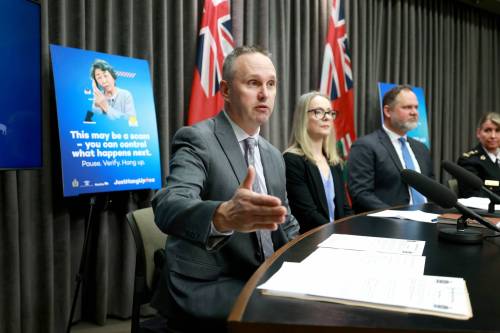
Police warn about AI use in sophisticated scam calls
4 minute read Preview Wednesday, Feb. 25, 2026
Tax-filing season begins today. Here’s all you need to know
4 minute read Preview Thursday, Feb. 26, 2026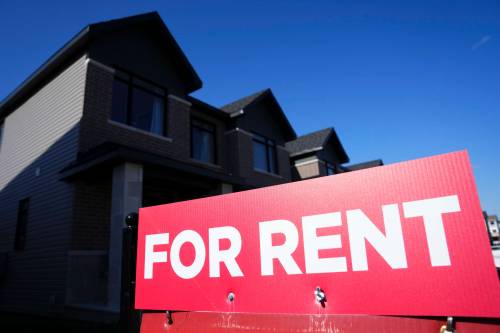
Big rent hikes — a made-in-Manitoba problem
5 minute read Preview Monday, Feb. 23, 2026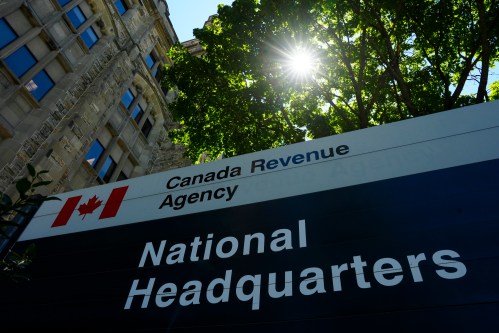
It’s the first tax season since the CRA revamped its services. Here’s what to expect
7 minute read Preview Thursday, Feb. 26, 2026
Food inflation spiked 7.3% in January. Here’s what’s driving the increase
6 minute read Preview Wednesday, Feb. 18, 2026
Food inflation expected to jump in January amid tax changes: economists
4 minute read Preview Wednesday, Feb. 18, 2026
Affairs of heart inevitably require less romantic finance talk sooner or later — so why not today?
5 minute read Preview Saturday, Feb. 14, 2026
Canada’s university funding system is broken
6 minute read Preview Friday, Feb. 13, 2026
Province to power up smart thermostat program, rebates
5 minute read Preview Thursday, Feb. 12, 2026
Increased taxation requires thorough justification
6 minute read Preview Thursday, Feb. 12, 2026
Small businesses weigh cost of carrying credit card fees, possibility of cash-only crime
7 minute read Preview Friday, Feb. 6, 2026
Canadian Tire ordered to pay nearly $1.3 million for false advertising
2 minute read Preview Saturday, Feb. 7, 2026
Canada Goose says diversification efforts working but Q3 profit fell from year ago
5 minute read Preview Friday, Feb. 27, 2026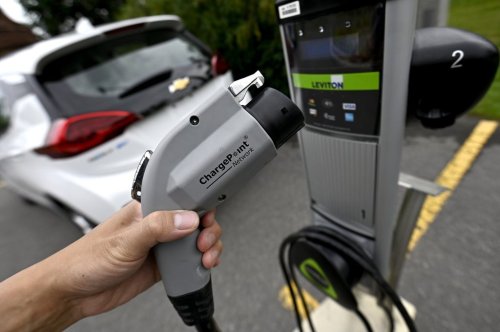
Ottawa to relaunch EV rebates program in 2 weeks with new auto strategy
7 minute read Preview Friday, Feb. 6, 2026