
Social Studies (general)
Please review each article prior to use: grade-level applicability and curricular alignment might not be obvious from the headline alone.

MPs get an earful from opponents of ‘lawful access’ bill over privacy concerns
4 minute read Preview Thursday, Jun. 4, 2026
Indigenous speakers, politicians watching audit of languages office closely
6 minute read Preview Wednesday, Jun. 3, 2026
AFN chief rebukes Alberta separation talks in meeting with King Charles
3 minute read Preview Wednesday, Jun. 3, 2026
Canadian, U.S. stock markets notch new record highs amid continued AI boom
4 minute read Preview Wednesday, Jun. 3, 2026
Canada sends letter to U.S., Mexico calling for renewal of trade agreement
5 minute read Preview Wednesday, Jun. 3, 2026NDP sport bill risks marginalized communities
5 minute read Tuesday, Jun. 2, 2026At a time when, culturally, one of the most popular TV shows is made in Canada, about gay professional hockey players who hide their sexual orientation out of fear of being harmed, the Manitoba NDP government has introduced Bill 41 for underrepresented communities in sport.
It’s admirable that the Manitoba government wants to tackle white heteronormative masculine sport, to make sport safer for under-represented communities at a time when the level of intolerance and hate towards some under-represented groups, notably the LGBTTQ+ community, has increased.
Under the auspices of promoting inclusivity of under-represented groups in sport, the Manitoba government’s Bill 41 — The Promoting Inclusion in Amateur Sport Act — is anti-gay, anti-trans, and anti-hidden marginalization.
Should Bill 41 come into force, it will require all children, youth and adults from under- represented groups, most of whom are recognized as equity-deserving marginalized communities, such as gay and trans, to self-identify; they will be required to come out to provincial sport organizations (PSOs) if they want to participate in organized sport in Manitoba.

Don’t let fear of change determine vote
5 minute read Preview Tuesday, Jun. 2, 2026MMF warns prospectors, developers to consult — or else
4 minute read Monday, Jun. 1, 2026In a room filled with government and prospecting industry leads, a Manitoba Métis Federation rep delivered a sharp message: work with us or prepare for legal action.
The Métis government has been having cabinet discussions about litigation, Lorne Pelletier, a MMF senior economic adviser, told the crowd.
“It’s not the path we want to go down, but it’s the path we’ll have to go down based on the actions of industry and the actions of government,” he said.
Pelletier spoke at a Manitoba Prospectors and Developers Association event Monday in Winnipeg. Roughly 50 government, Indigenous and industry officials gathered at the Manitoba Legislative Building, liaising and providing work updates.

Manitoba makes strides on poverty, but EIA rates must increase: report
5 minute read Preview Tuesday, Jun. 2, 2026
Police-to-population ratio increases for first time since 2013
5 minute read Preview Monday, Jun. 1, 2026Key construction at new Lynn Lake gold mine begins after fire-driven delay
4 minute read Monday, Jun. 1, 2026Last summer’s wildfire season has delayed development of Manitoba’s new gold mine by nearly a year.
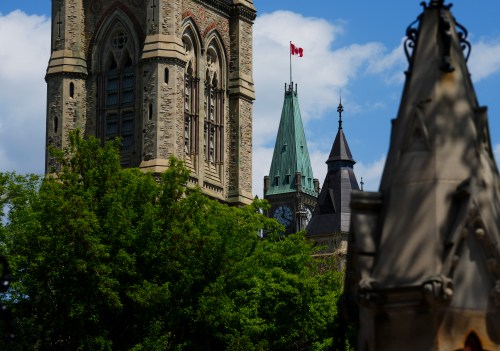
Federal poll finds nearly half of Canadians think country takes ‘too many immigrants’
3 minute read Preview Wednesday, Jun. 3, 2026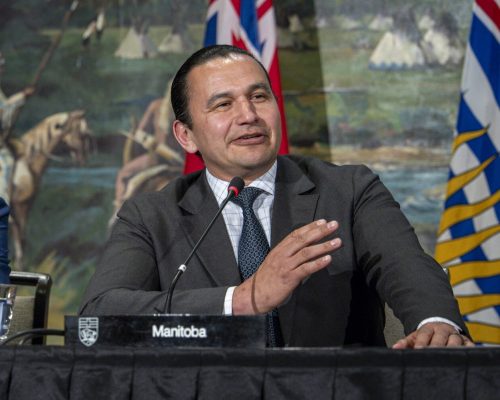
Peace, justice and bringing this country together
5 minute read Preview Monday, Jun. 1, 2026
Doors Open to Winnipeg’s mystery, history
5 minute read Preview Monday, Jun. 1, 2026Winnipeg can buy local
4 minute read Monday, Jun. 1, 2026There is no such thing as a free lunch, but one closer to home probably feels better. For years, local favourite Salisbury House has been the chosen vendor for Winnipeg-owned golf courses. In late April, news emerged that the City of Winnipeg had gone against local tastes and chosen Aramark, an American-owned company, for the job.
When our public entities buy local, they create jobs, provide economic stability and improve responsiveness to the public. In this uncertain global climate, “buying local” is not a gimmick but a necessity. Until recently, this philosophy was persuasive.
Mayor Scott Gillingham has, however, reversed course on a buy-local policy. Following staff feedback, the mayor claims the policy would violate trade obligations. He is both right and wrong.
While there are limits in Canadian trade deals to buying local, they are not determinative. Not only can Winnipeg establish a buy-local policy, the city would be at a disadvantage if it does not.
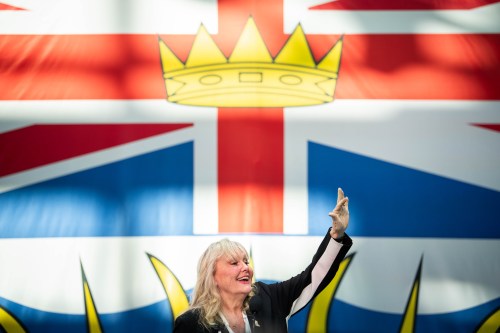
Kerry-Lynne Findlay won B.C. Conservative race as most authentic populist: expert
5 minute read Preview Tuesday, Jun. 2, 2026
Quebec moves ahead with AI cultural databank project
4 minute read Preview Tuesday, Jun. 2, 2026
Advocates call on Ottawa to limit nicotine use among youth, demand stricter measures
4 minute read Preview Monday, Jun. 1, 2026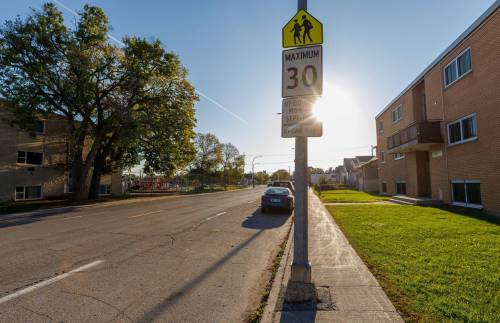
City taking steps to reduce speeding in 30 km/h school zones
5 minute read Preview Sunday, May. 31, 2026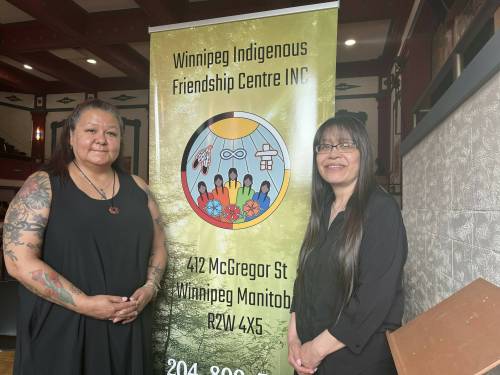
North End puts its best foot forward with Culture Fest
3 minute read Preview Saturday, May. 30, 2026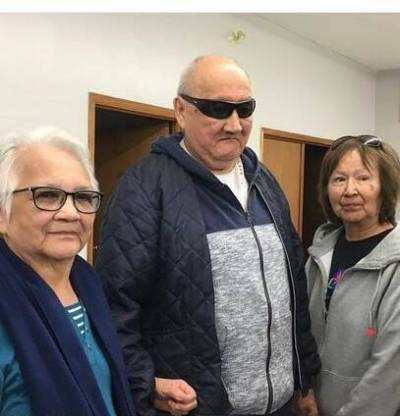
Even residential school couldn’t erase who Christina Henderson was
7 minute read Preview Saturday, May. 30, 2026
LHC helps underserved clients navigate the justice system
6 minute read Preview Saturday, May. 30, 2026
Indelible imprint: Prolific architect’s early-20th century works helped shape our city
5 minute read Preview Saturday, May. 30, 2026Protected areas and thriving lodges can co-exist
5 minute read Saturday, May. 30, 2026Spring is crunch-time when you work at a remote fishing or hunting lodge. Crews are busy updating cabins, repairing generators, getting boats in the water, and preparing to welcome clients. These same activities are unfolding across the Seal River Watershed in northern Manitoba. And this year, they come with an added sense of opportunity.
A new proposal to protect the Seal River Watershed was recently released for public comment on the EngageMB website.
Designed by the Sayisi Dene, Northlands Denesuline, Barren Lands, and O-Pipon-Na-Piwin Cree First Nations, the Manitoba government, and the government of Canada, with input from stakeholders and the public, the plan calls for creating a network of protected areas across 50,000 sq. kilometres of healthy lands and waters.
These new designations — a combination of Indigenous Protected and Conserved Area, provincial parks, and a national park reserve — would honour Dene and Cree cultures and sustain caribou, grizzlies, and polar bears.