
Social Studies Grade 12
Please review each article prior to use: grade-level applicability and curricular alignment might not be obvious from the headline alone.
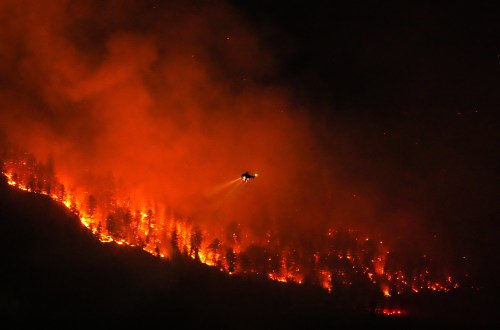
Fact File: Experts douse viral claim that wildfires caused by ‘weather manipulation’
5 minute read Preview Saturday, Sep. 5, 2026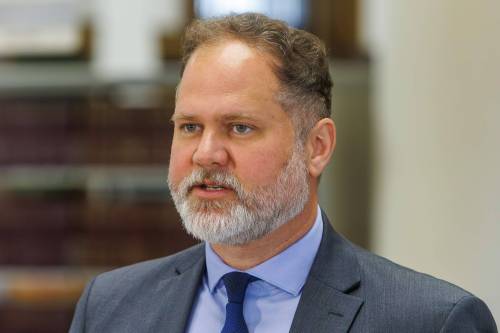
Opaskwayak restorative justice court to give offenders opportunity to ‘heal’
5 minute read Preview Thursday, Aug. 13, 2026Let’s move forward on disability rights
5 minute read Thursday, Aug. 13, 2026Tyson Sylvester wants to study computer science.
He has the intelligence, the determination, and the ambition to succeed in post-secondary education. Like thousands of young Manitobans graduating from high school, he wants to pursue higher education and build a career.
Instead, he is spending his young adult life fighting the provincial government to simply receive the supports he needs to get there.
Tyson lives with cerebral palsy, is blind and uses a wheelchair. The irony here is that Tyson can’t get government support because he scored too high on an IQ test.
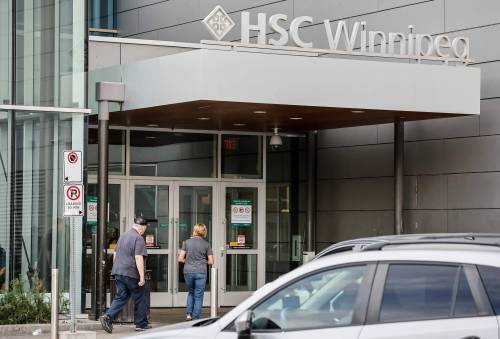
HSC nurses concerned info hacked in cyberattack
3 minute read Preview Wednesday, Aug. 12, 2026
Bringing home a Fish: Group of local baseball fans open doors to Goldeyes
7 minute read Preview Wednesday, Aug. 12, 2026
City charter ties council’s hands in wake of criminal allegations against Transcona councillor
6 minute read Preview Wednesday, Aug. 12, 2026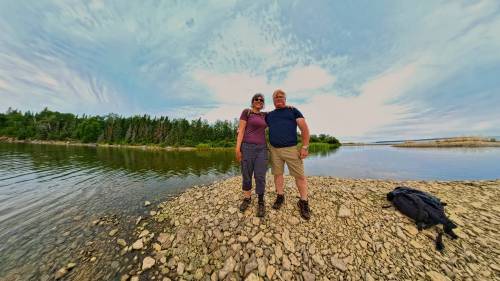
Libau man warns Manitobans after contracting West Nile Virus
3 minute read Preview Wednesday, Aug. 12, 2026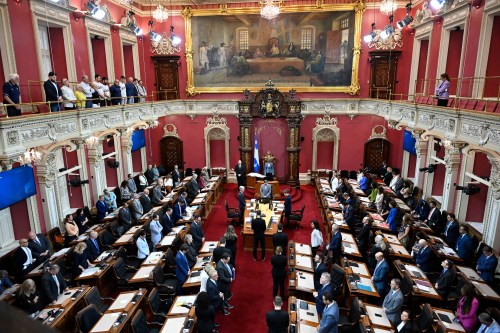
Lawyer challenges Quebec’s law ending manadatory oath of allegiance to the King
3 minute read Preview Friday, Sep. 4, 2026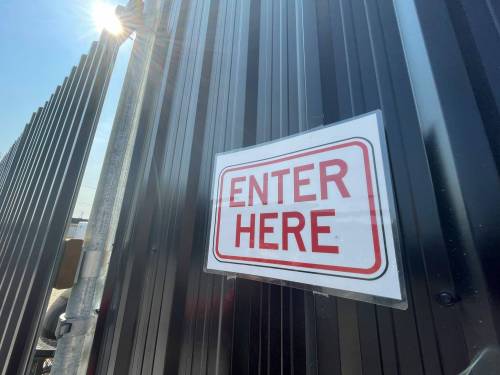
Quiet opening fitting for controversial site
4 minute read Preview Wednesday, Aug. 12, 2026
A Winnipeg home with a mountain view? You won’t find a real one, but AI-generated visual suggests otherwise
6 minute read Preview Tuesday, Aug. 11, 2026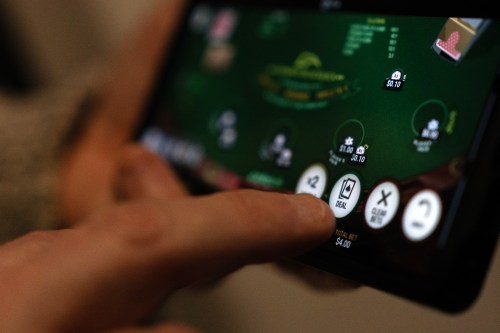
Alberta seeks proposals for gambling addiction services as part of iGaming launch
3 minute read Preview Friday, Sep. 4, 2026
Mouth-to-mouth resuscitation saves otter pup found strangled by fishing net in B.C.
4 minute read Preview Friday, Aug. 14, 2026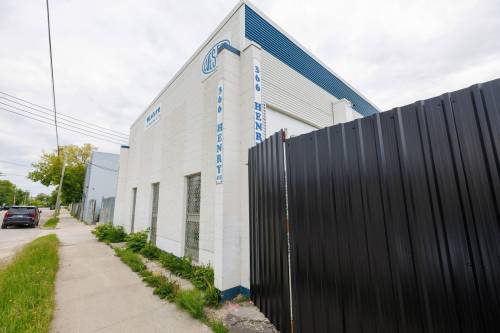
Long-awaited supervised drug consumption site opens quietly after months of loud opposition
11 minute read Preview Tuesday, Aug. 11, 2026
Ducks Unlimited makes province’s largest-ever conservation-land purchase
3 minute read Preview Tuesday, Aug. 11, 2026The drugs changed — our systems didn’t
5 minute read Tuesday, Aug. 11, 2026A recovery-oriented system must connect housing, care, public safety and long-term community support.
Around 2016, something changed on Winnipeg’s streets. Methamphetamine became more prevalent. Fentanyl entered the supply. The drugs became more toxic, addiction more relentless and homelessness far more complex.
Our systems, however, largely remained the same.
For years, we have described Winnipeg’s homelessness crisis primarily as a housing problem. There is no question that we need affordable, supportive and transitional housing. But housing is only part of the crisis unfolding on our streets.
In an era of technological access and sheer speed of knowledge transfer, ascertaining “truth” should theoretically be conducted with ease. After all, knowledge has become instantaneously available to us at the mere click of a button.
And yet, deciphering the truth has perhaps never been so indiscernible, contradictory and politicized. For a multiplicity of reasons, learning the truth may be perceptively inconvenient, uncomfortable or even threatening.
Through generating knowledge and new understandings of the world, our most cherished world views may be challenged, potentially uprooting our entire identities and belief systems.
Consequently, being confronted with the truth may yield a myriad of defensive responses, as many of us are simply unwilling to accept such unpleasant realities.
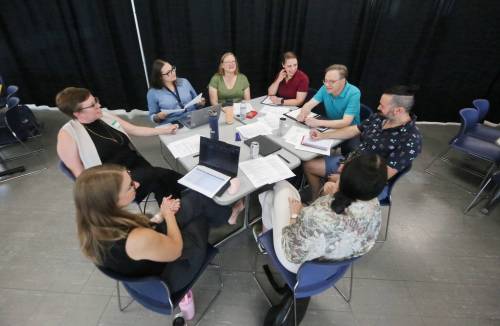
AI fears voiced during public consultation in Brandon
4 minute read Preview Monday, Aug. 10, 2026
Child who prompted Porter Airline flight cancellation not at fault, passenger says
4 minute read Preview Tuesday, Sep. 1, 2026
City emergency crews to administer drug that stops opioid withdrawal symptoms
5 minute read Preview Monday, Aug. 10, 2026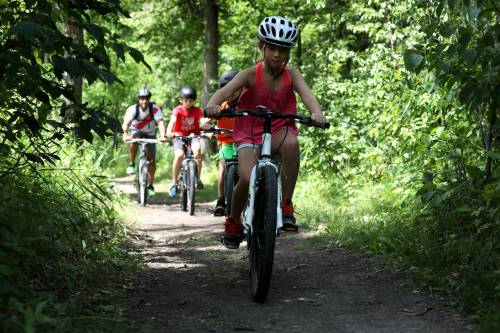
Take a hike... or a bike ride on these Winnipeg trail options
5 minute read Preview Monday, Aug. 10, 2026First Nations need co-ordinated health care
5 minute read Monday, Aug. 10, 2026In November 2025, Garden Hill Anisininew Nation declared a state of emergency. The threat was not wildfire or flood. The reason was hepatitis A, a vaccine-preventable liver infection spread through contaminated water, food and close contact.
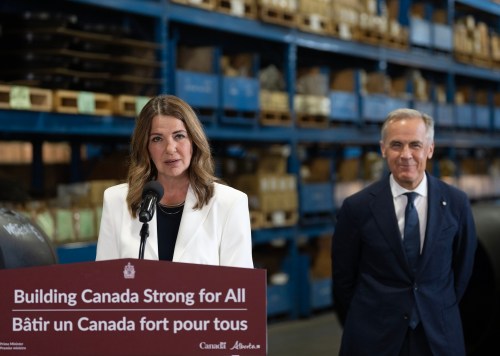
First Nations chiefs in B.C. call on Carney, Smith, to halt pipeline advancement
5 minute read Preview Monday, Aug. 31, 2026
Does Wealthsimple want to add sports, politics to its new prediction markets product?
5 minute read Preview Monday, Aug. 10, 2026Faith groups concerned by growing military spending
5 minute read Thursday, Sep. 10, 2026In response to growing threats around the world, Canada is increasing its military spending. In March, Prime Minister Mark Carney announced the country had met its NATO benchmark of spending two per cent of GDP on defence, with plans to spend five per cent by 2035.
Is this the right direction? Is the money being spent in the best way possible? And what about other forms of international engagement such as aid, diplomacy and peacemaking?
Those were some of the questions raised by 14 faith groups in the United Kingdom in July in response to that country’s decision to increase military spending by 20 billion euros (C$32.5 billion) per year over the next decade.
In a joint letter with other organizations, the groups expressed “grave concerns” about how spending on weapons was being given priority over other ways of promoting global security such as aid, diplomacy and peacebuilding — things that are “essential and underfunded tools in building a safer world,” they stated.