Identity, Culture and Community
Please review each article prior to use: grade-level applicability and curricular alignment might not be obvious from the headline alone.

Ahava Rabba’s alternative service attracts alternative Jews
5 minute read Preview Saturday, Aug. 22, 2026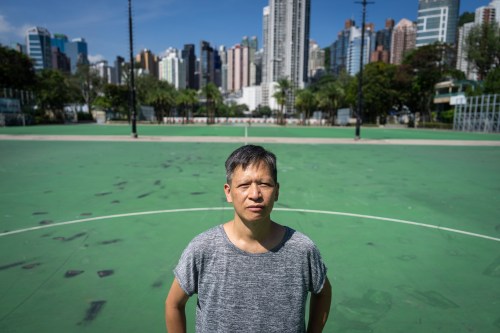
Former Hong Kong vigil organizer strives to mark Tiananmen crackdown despite convictions
5 minute read Preview Saturday, Aug. 22, 2026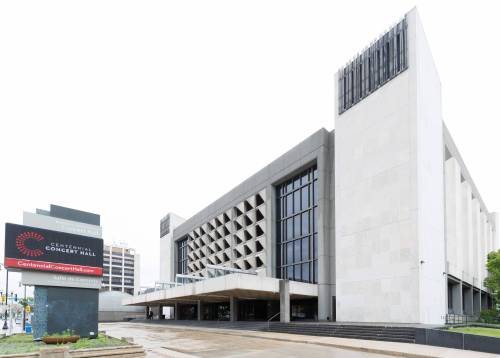
Winnipeg’s postwar architecture well-documented by online archive
5 minute read Preview Friday, Aug. 21, 2026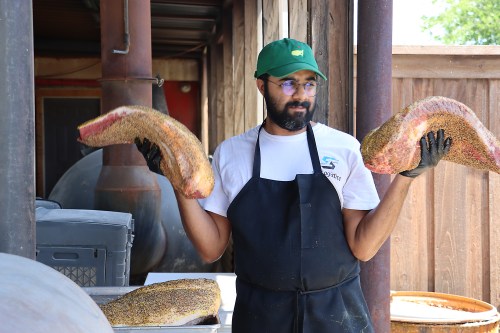
Texas barbecue is getting a halal makeover
7 minute read Preview Sunday, Aug. 30, 2026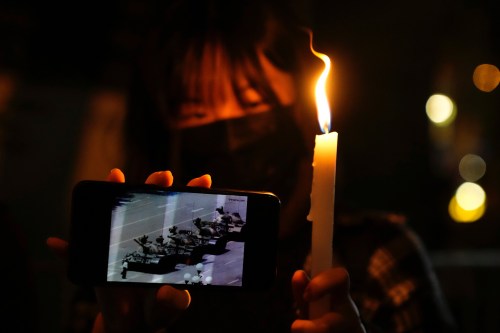
2 organizers of Hong Kong’s Tiananmen vigils convicted in national security case
6 minute read Preview Saturday, Aug. 22, 2026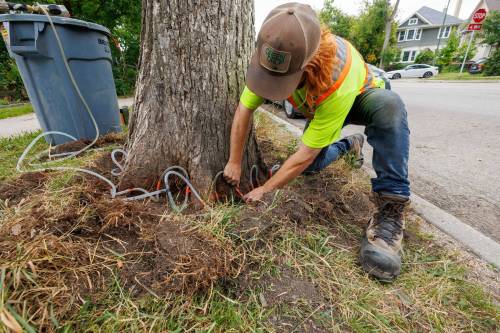
Wolseley residents put down roots to save elms
5 minute read Preview Thursday, Aug. 20, 2026
New Edmonton velodrome puts Olympic cycling champion Kelsey Mitchell back on track
4 minute read Preview Friday, Aug. 21, 2026
Planned Elmwood Hub project combines 115 mixed-income housing units, social supports, programs
4 minute read Preview Friday, Aug. 21, 2026
Rural councils work hard, plan big to build local arts scenes
9 minute read Preview Wednesday, Aug. 19, 2026The moral courage of public dissent
5 minute read Tuesday, Aug. 18, 2026As a non-Jewish Canadian, I have watched our public conversation about Israel and Palestine become increasingly polarized. One feature of that debate has particularly caught my attention—not the disagreements themselves, but the moral courage required of Jewish Canadians who publicly dissent from influential voices within their own community.
Ironically, many non-Jewish Canadians who may have little familiarity with Jewish history assume that disagreement is somehow un-Jewish. The opposite is true. Debate has been central to Jewish intellectual life for centuries. The Talmud itself preserves arguments rather than erasing them.
To outsiders, minority communities can easily appear to speak with one voice. In Canada, organizations such as the Centre for Israel and Jewish Affairs (CIJA), Jewish Federations of Canada (UIA) and B’nai Brith are often perceived as representing the Jewish perspective on Israel and antisemitism. They undoubtedly represent many Canadian Jews. But they do not represent them all.
There are also Jewish organizations and individuals — including Independent Jewish Voices Canada, the United Jewish People’s Order, the recently formed Jewish Faculty Network and others — who reject the notion that any single institution or political perspective can define what it means to speak as a Jew in Canada. They frequently offer perspectives that differ from those advanced by many established Jewish organizations about Israel; defend the importance of free expression on university campuses; and argue that criticism of the actions of the Israeli government should not automatically be equated with antisemitism.

MamiMarkets connecting ethnic food vendors, customers
4 minute read Preview Monday, Aug. 17, 2026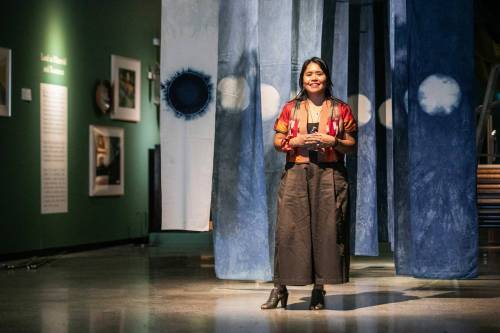
New exhibition offers up 125 different ways to look at Canada
6 minute read Preview Monday, Aug. 17, 2026
From the Plate to the Mic: Several former Blue Jays active in baseball podcast space
5 minute read Preview Tuesday, Aug. 18, 2026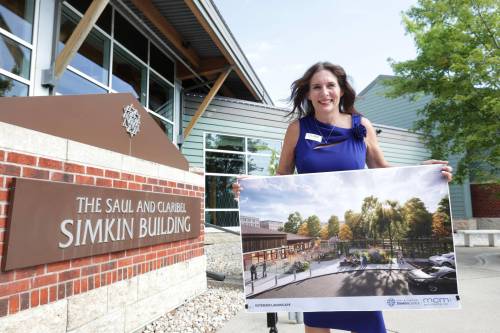
Daycare, family centre addition will turn care home into intergenerational community hub
4 minute read Preview Monday, Aug. 17, 2026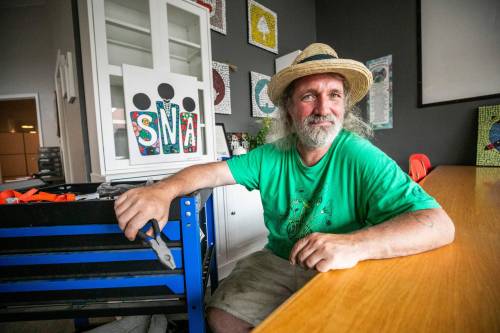
Free fix is in: repair café aims to keep items out of landfills
3 minute read Preview Monday, Aug. 17, 2026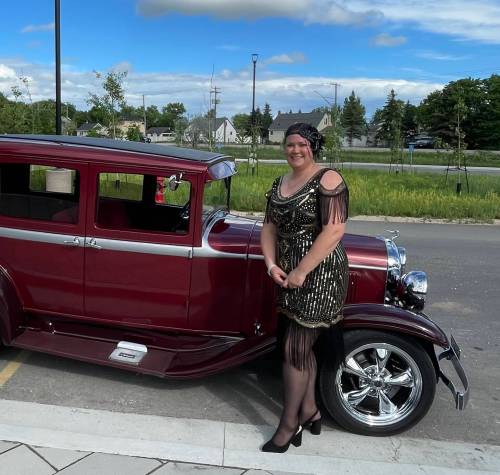
Volunteer helps keep Nellie McClung’s legacy alive
4 minute read Preview Monday, Aug. 17, 2026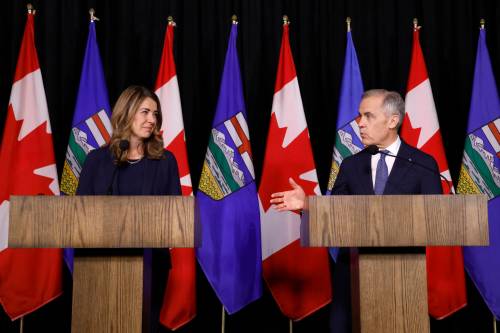
Indigenous peoples are deeply invested in Canada
5 minute read Preview Monday, Aug. 17, 2026
Rise of social media reflects rise of self-promotion — to the detriment of genuine storytelling
4 minute read Preview Saturday, Aug. 15, 2026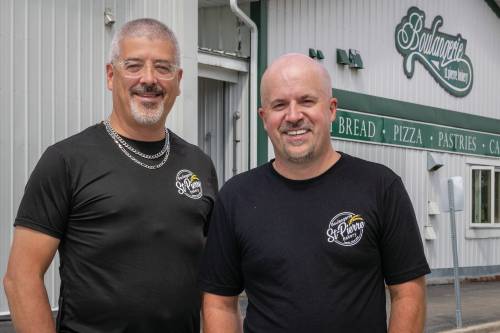
Célébrer des employés qui mettent la main à la pâte
6 minute read Preview Saturday, Aug. 15, 2026Churches make collective gift toward fostering reconciliation
4 minute read Saturday, Aug. 15, 2026Three Canadian denominations have taken another step towards reconciliation with Indigenous people.
At a June 18 gifting ceremony here in Winnipeg, the United, Anglican and Presbyterian churches made a collective gift of $1.5 million towards the construction of a new permanent home for the National Centre for Truth and Reconciliation (NCTR) at the University of Manitoba’s Fort Garry campus.
In so doing, they were following up on the four calls to action for Canadian churches from the 2015 Truth and Reconciliation Commission’s final report.
One of them, call No. 59, asked churches that were involved in operating residential schools to support ways to help members of their congregations learn about their church’s role in colonization and residential schools.
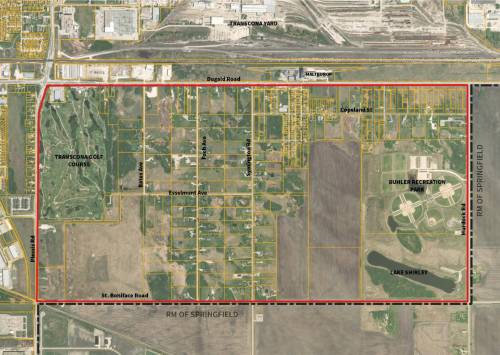
Proposed Transcona development — which could add 20,000 people — gets thumbs down from residents
5 minute read Preview Friday, Aug. 14, 2026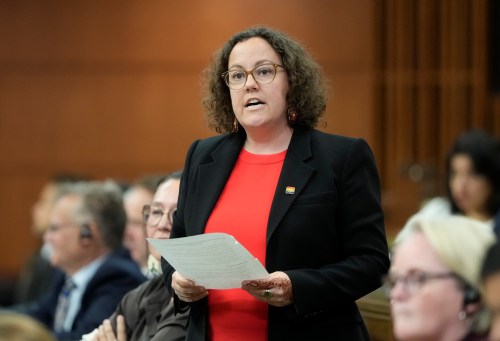
Federal government still missing 111 Indigenous artworks from its collection
3 minute read Preview Saturday, Aug. 15, 2026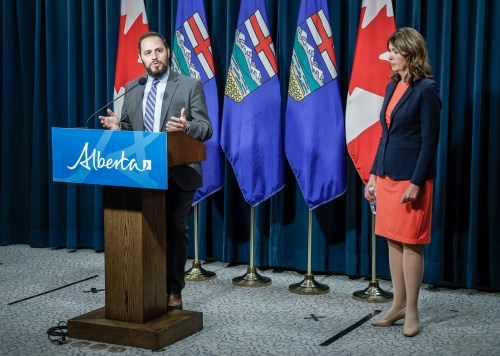
Alberta delaying new restrictions on flags in schools, national anthem mandate
3 minute read Preview Saturday, Aug. 15, 2026