Building and Trades
Please review each article prior to use: grade-level applicability and curricular alignment might not be obvious from the headline alone.
Job-site policy cited in cost of Brandon school construction
5 minute read Saturday, May. 9, 2026BRANDON — The Construction Association of Rural Manitoba has said it will cost as much as 20 per cent more to build a school in Brandon because of the labour policy introduced by the provincial government in 2025.
The regulations include prioritizing union workers when adding extra staff and paying a fee of 85 cents per worker per hour, executive director Shawn Wood said.
“We know from talking to our members: if they’re going to bid on a project, just the additional admin costs and the additional cost of that 85 cents per man hour puts them anywhere from a five to 20 per cent increase in cost,” Wood said.
“I believe the Brandon school will be closer to the 20 per cent.”

Developers selling some land slated for delayed ‘complete community’ near Polo Park
5 minute read Preview Thursday, May. 7, 2026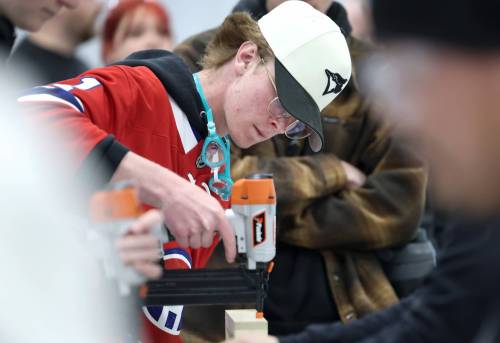
Manitoba Construction Career Expo draws students from across province with goal of ‘AI-resilient’ career options
4 minute read Preview Wednesday, May. 6, 2026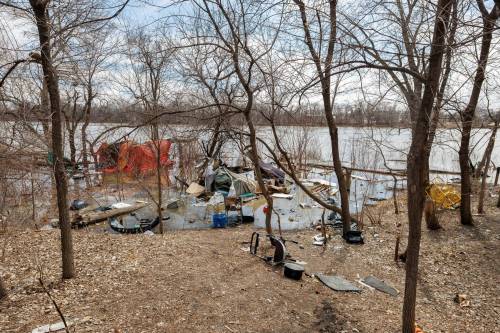
City missing opportunity to help the homeless, save significant amount of money
5 minute read Preview Wednesday, May. 6, 2026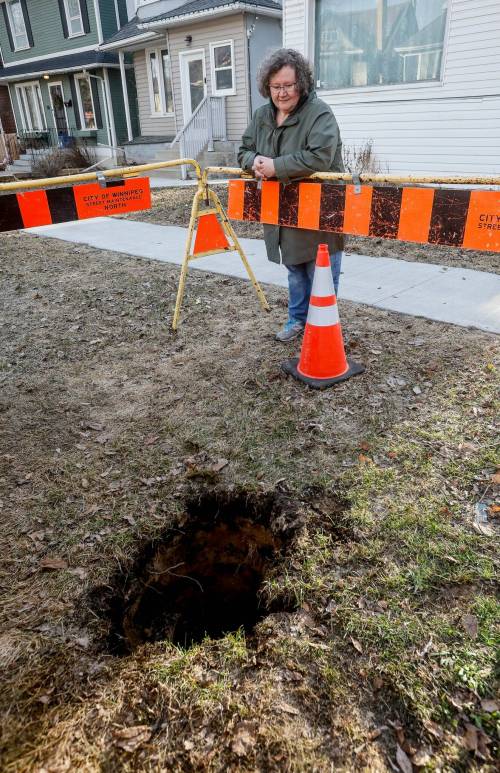

Infrastructure, military spending, economy dominate talk in federal finance minister’s visit
4 minute read Preview Monday, May. 4, 2026
Hopes rise for reuse of heritage buildings
5 minute read Preview Sunday, May. 3, 2026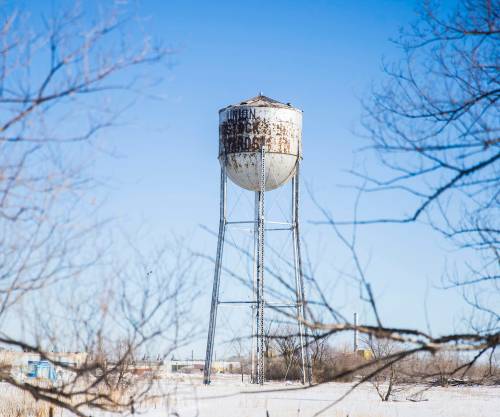
Water feature: 113-year-old St. B tower to be saved
3 minute read Preview Saturday, May. 2, 2026Manitoba construction groups call for journeyperson-to-apprentice ratio rework
4 minute read Thursday, Apr. 30, 2026While Ottawa moves to invest billions into skilled trade workers, Manitoba construction groups say the provincial government refuses to budge on its apprenticeship ratio guidelines at the cost of their industry.
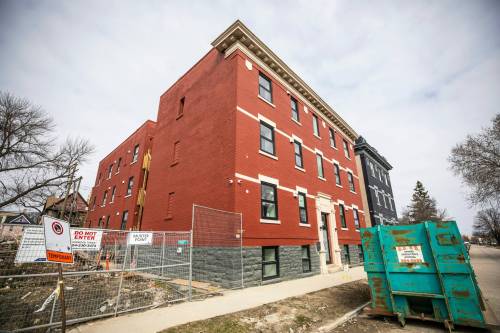
Business council’s new housing alliance, partners complete first ‘deeply affordable’ project
5 minute read Preview Thursday, Apr. 30, 2026
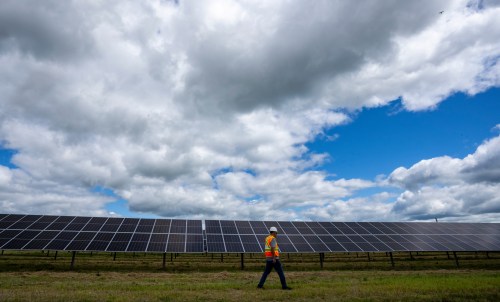
Solar ranch in Tennessee aims to prove grazing cattle under the panels is a farmland win-win
5 minute read Preview Friday, May. 22, 2026
Months after reporting two-foot deep boulevard hole, West End homeowner still waiting for city to respond
5 minute read Preview Wednesday, Apr. 29, 2026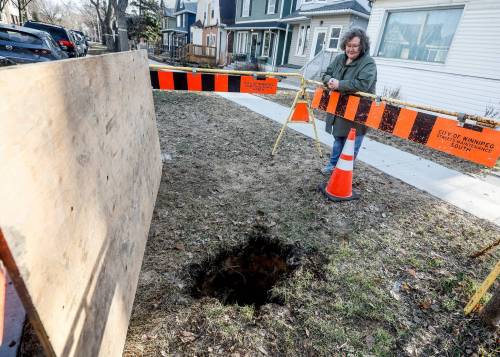
City gets to the bottom of how deep hole formed in boulevard
3 minute read Preview Tuesday, Apr. 28, 2026
‘What a stupid situation’ as woman plunges into boulevard hole
3 minute read Preview Monday, Apr. 27, 2026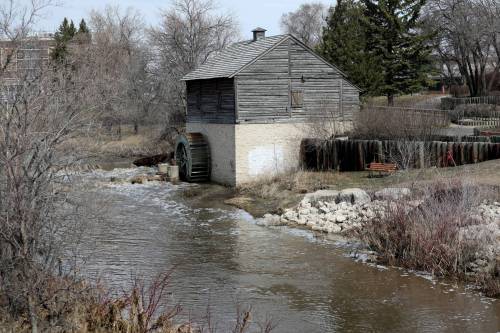
Structural issues forced Grant’s Old Mill, built in 1973, to shut down
4 minute read Preview Monday, Apr. 27, 2026
Shortage of housing for Indigenous seniors in city raising concerns ahead of northern flood, fire evacuations
4 minute read Preview Thursday, Apr. 23, 2026
Manitoba crypto companies say provincial plans would put them out of business
3 minute read Preview Friday, Apr. 24, 2026
North End vocational school opens ‘cultural learning lab’ creative design studio
4 minute read Preview Monday, Apr. 20, 2026
Wooden elevator reduced to rubble after towering over Austin for 75 years
6 minute read Preview Friday, Apr. 17, 2026Couple fights city to retain 11-foot-plus fence
4 minute read Tuesday, Apr. 14, 2026A notable Winnipeg couple are fighting a city order to reduce the size of their more than 11-foot fence — which is much higher than allowed under city regulations.
Lynne Skromeda and Jason Smith built a fence in 2023 as part of renovations to their McMillan neighbourhood backyard. A neighbour filed a complaint and city bylaw inspectors ruled the fence was too high. The city later approved a variance application to allow for a seven-foot, five-inch fence.
“In 2023, the applicant worked with urban planning to arrive at a compromised height of 7.5 feet and the applicant advised they would reduce the fence height accordingly. Further inspections at the site reveal that the applicant did not complete the necessary reduction to the fence height to meet the supported and approved height of 7.5 feet,” says a report prepared for an April 20 appeal hearing.
The city’s limit on fence height is six-feet, six inches for rear and side yards, and four feet in front yards. The fence in dispute is more than 11 feet high along a portion of the west side yard and more than eight feet along the rear yard.

Finding a fitting way to build in the Exchange District
5 minute read Preview Monday, Apr. 13, 2026Manitoba delegation to pitch Churchill at Arctic Encounter Summit
3 minute read Thursday, Apr. 9, 2026A Manitoba delegation is taking its promotion of the Port of Churchill to the home of a growing Arctic port — one that Manitoba’s U.S. trade representative deems a threat.
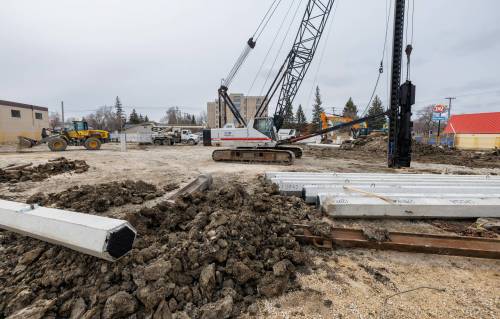
Feds, city, province join forces with First Nation to build 150 apartments in St. James
5 minute read Preview Wednesday, Apr. 8, 2026