
Media and Communications
Please review each article prior to use: grade-level applicability and curricular alignment might not be obvious from the headline alone.
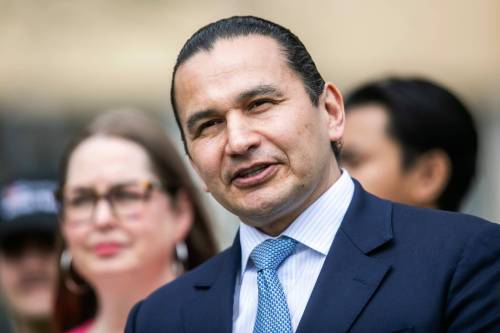
Premier pulls plug on proposed AI data centre
5 minute read Preview Thursday, Jun. 4, 2026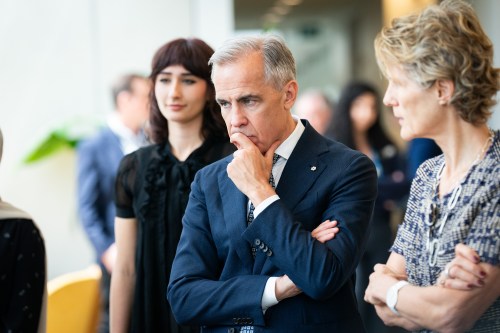
Creative industry slams government on move to dismantle CanCon obligations for streamers
5 minute read Preview Friday, Jun. 26, 2026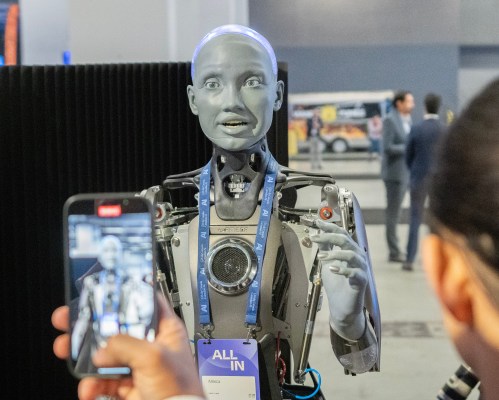
New $2.3B federal AI strategy looks to close ‘adoption gap,’ build public trust
6 minute read Preview Saturday, Jun. 6, 2026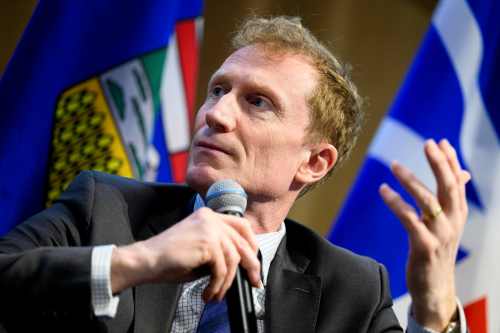
Ottawa tells CRTC to change course on increasing streamers’ financial contributions
7 minute read Preview Thursday, Jun. 4, 2026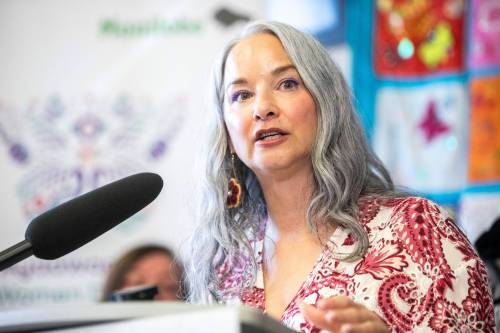
Families department criticized for 2024 cyberattack
4 minute read Preview Wednesday, Jun. 3, 2026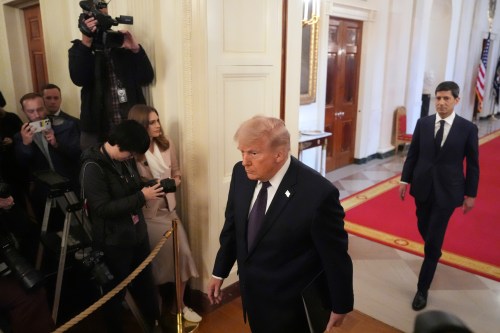
Trump signs an executive order that invites vetting of top AI models for national security risks
5 minute read Preview Wednesday, Jun. 3, 2026
MPs get an earful from opponents of ‘lawful access’ bill over privacy concerns
4 minute read Preview Thursday, Jun. 25, 2026
Canadian, U.S. stock markets notch new record highs amid continued AI boom
4 minute read Preview Wednesday, Jun. 3, 2026
U of W prof sues social media giants Meta, X
4 minute read Preview Wednesday, Jun. 3, 2026
Quebec moves ahead with AI cultural databank project
4 minute read Preview Monday, Jun. 22, 2026
Think you can beat the game? Don’t bet on it
6 minute read Preview Saturday, May. 30, 2026
Investors can roll dice on emerging technologies that may or may not shape future, portfolios’ net worth
6 minute read Preview Saturday, May. 30, 2026
Impulsive kids easy prey for addictive-by-design content
5 minute read Preview Friday, May. 29, 2026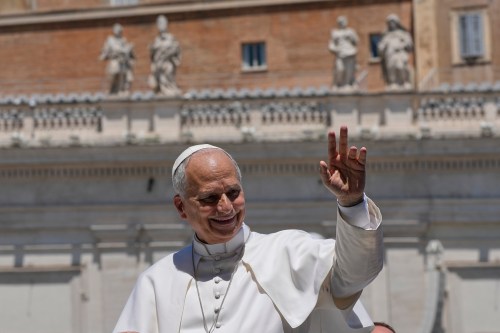
Carney discussed artificial intelligence with Pope Leo
2 minute read Preview Saturday, May. 30, 2026
Ohio suspends data center tax break as tech firms face pressure to pay the cost to power AI
5 minute read Preview Friday, May. 29, 2026
Humanoids dance and thread needles as Japanese robotics developers look to outdo Chinese
4 minute read Preview Friday, May. 29, 2026
Gamification and memes lure young people to sports wagering apps, prediction markets
8 minute read Preview Thursday, Jun. 18, 2026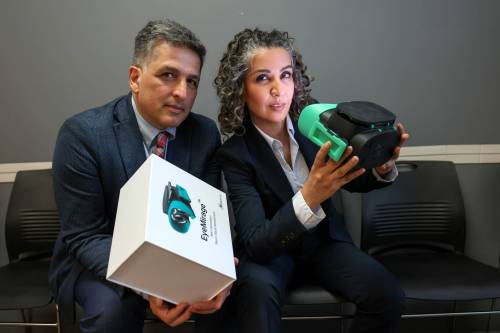
Winnipeg pair look to launch EyeMirage device for sale in Canada in fall, with eyes to follow on international markets
5 minute read Preview Wednesday, May. 27, 2026
FarmerTitan app rolls into agriculture equipment tracking field
5 minute read Preview Monday, May. 25, 2026
Manitoba doctors support provincial government’s proposed social media ban
4 minute read Preview Tuesday, Jun. 16, 2026
Could anything but profit steer AI? The OpenAI trial offered clues but no verdict
5 minute read Preview Monday, Jun. 15, 2026
Pushing back against AI’s ‘inevitability’
5 minute read Preview Saturday, May. 23, 2026
Banning YouTube removes tools from schools
4 minute read Preview Saturday, May. 23, 2026Religious groups must keep careful eye on artificial intelligence
5 minute read Saturday, May. 23, 2026Programmers, computer scientists and software, mechanical, data and prompt engineers — these are some of the professions behind the creation of artificial intelligence. Should theologians and faith leaders also be involved?
Meghan Sullivan, a Roman Catholic who teaches philosophy at the University of Notre Dame, says yes. That’s why she was glad to attend a meeting in March at the invitation of Anthropic, the creator of Claude AI, about the role religion can play in the creation of this life-changing technology.
Sullivan, who also directs the university’s Institute for Ethics and the Common Good, was there with 15 other Christian philosophers, theologians and leaders to discuss the implications of AI for society today — and how it can be taught to behave ethically and morally using religion as a guide.
I spoke with Sullivan this week about that meeting. “I’m very grateful for Anthropic’s leadership in this area with faith communities,” she said, noting that most AI companies are not doing that. “It should have happened sooner, but better late than never.”