News for young children
Please review each article prior to use: grade-level applicability and curricular alignment might not be obvious from the headline alone.
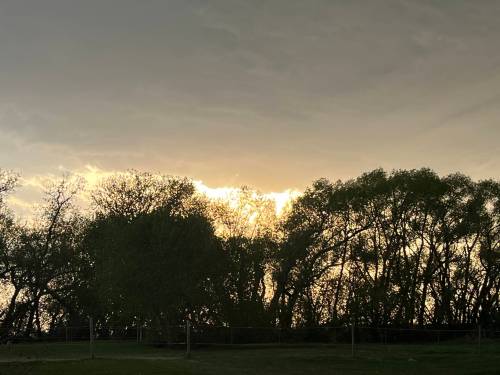
Who will vote for trees?
5 minute read Preview Monday, Sep. 21, 2026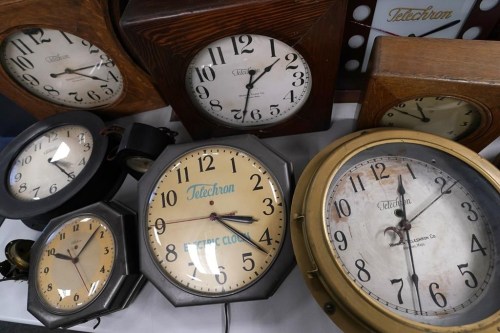
Not falling back means time loop remains unclosed
4 minute read Preview Saturday, Sep. 19, 2026
Winnipeg, source d’inspiration pour la philanthropie canadienne
7 minute read Preview Saturday, Sep. 19, 2026
Vintage ride revs up rainbow-hued appeal of fresh-cut-flower venture
7 minute read Preview Saturday, Sep. 19, 2026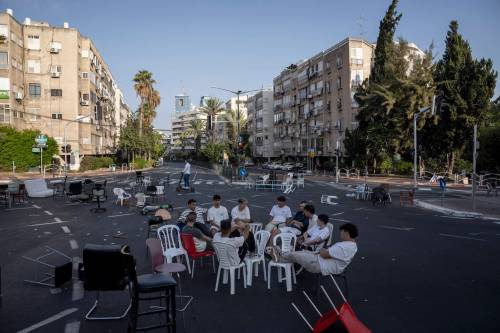
Soul candles ritual connects women to the past
5 minute read Preview Saturday, Sep. 19, 2026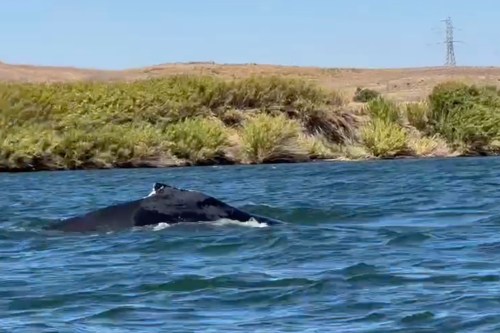
A humpback whale was spotted in a California river, 60 miles from its Pacific Ocean home
3 minute read Preview Wednesday, Sep. 23, 2026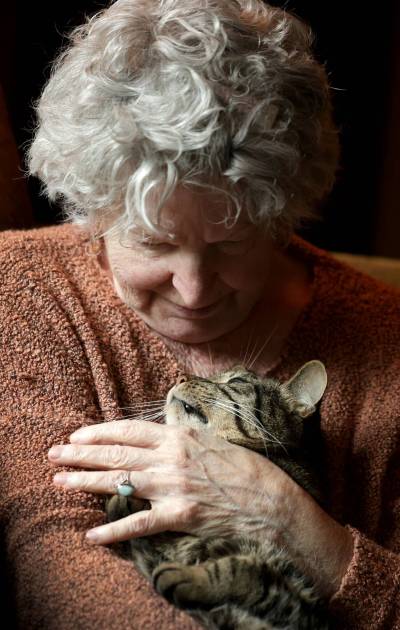
Experts say small companions play huge role in well-being as we age
17 minute read Preview Friday, Sep. 18, 2026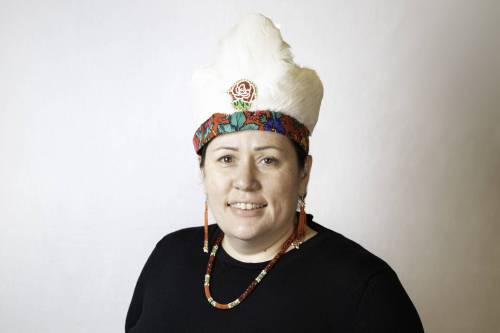
Northern First Nation calls for voluntary ban of moose hunting as numbers dwindle
5 minute read Preview Friday, Sep. 18, 2026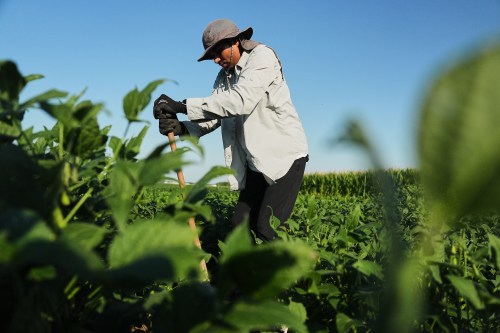
Scientists hope deeper-rooted soybeans can withstand climate extremes and store more carbon
7 minute read Preview Tuesday, Sep. 22, 2026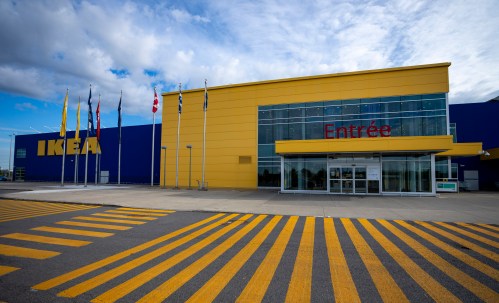
Dollar breakfasts, used Billy bookcases: Ikea’s latest affordability pitch
4 minute read Preview Tuesday, Sep. 22, 2026
United Way, other charities fight for dollars as donor base shrinks
7 minute read Preview Friday, Sep. 18, 2026Building Northern Manitoba right
4 minute read Friday, Sep. 18, 2026I had the pleasure of attending the recent celebrations welcoming grain shipments back to the Port of Churchill, alongside business leaders, port workers, community members and government partners. We find ourselves at an important and pivotal moment and there is a lot of optimism about Northern Manitoba.
Whether it’s the Port of Churchill Plus, all-weather roads and trade corridors, new mines and exploration, a transmission line to Nunavut or billions going into modernizing our hydro-electric systems, one thing is clear: Northern Manitoba needs to be prepared for a potential boom in development.
Now more than ever, Canada and Manitoba have to get this right.
Prime Minister Carney and Canada’s premiers have met with some of the world’s largest investors to discuss nation-building projects that will shape our country’s future.

Fiddling and a jig mark ceremony to rename Wolseley-area school
4 minute read Preview Friday, Sep. 18, 2026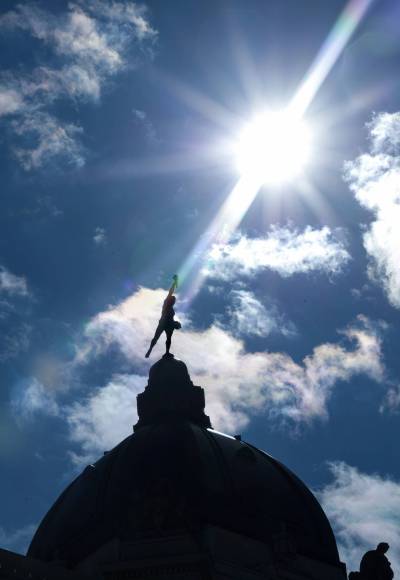
Manitobans mostly optimistic about time change
5 minute read Preview Thursday, Sep. 17, 2026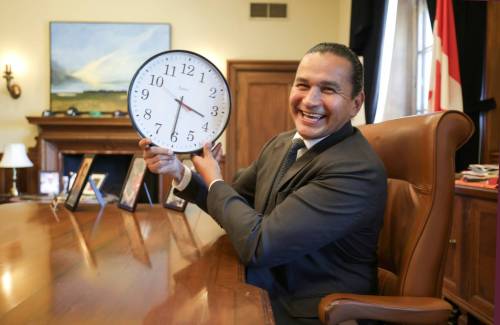
Kinew delivered what most of us wanted; now we’ll have to deal with the consequences
5 minute read Preview Friday, Sep. 18, 2026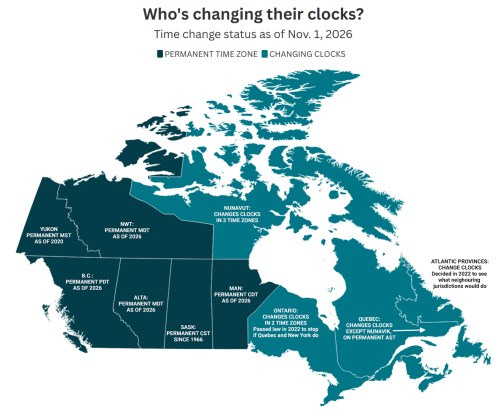
A quick look at where provinces and territories stand on time changes
2 minute read Preview Friday, Sep. 18, 2026
Snowbird replacements ‘extremely manoeuverable, powerful,’ RCAF commander says
4 minute read Preview Friday, Sep. 18, 2026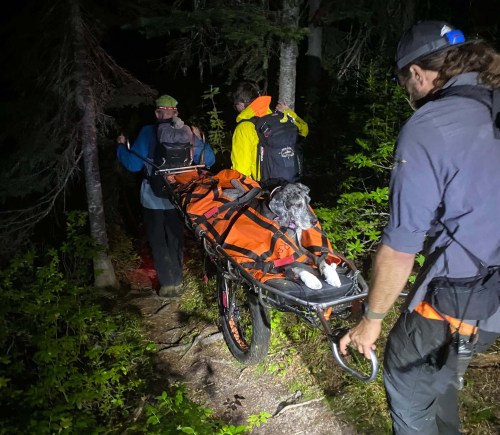
Great Dane stretchered off mountain near Revelstoke, B.C., in unusual rescue
2 minute read Preview Friday, Sep. 18, 2026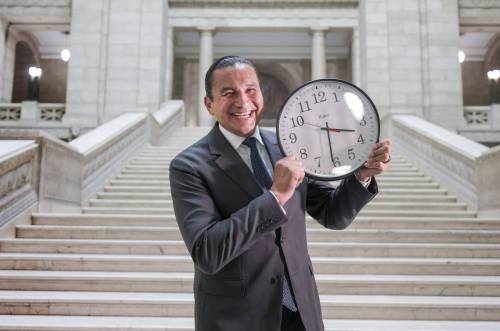
Manitoba abandoning spring, fall clock changes
8 minute read Preview Friday, Sep. 18, 2026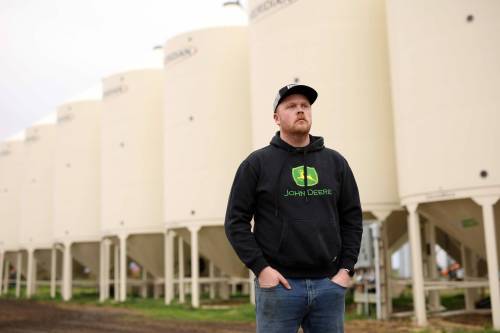
Rain causing poor harvest conditions for farmers
5 minute read Preview Thursday, Sep. 17, 2026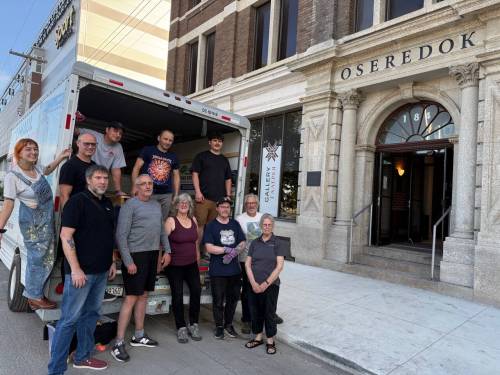
A community brought the Trident Press home
6 minute read Preview Thursday, Sep. 17, 2026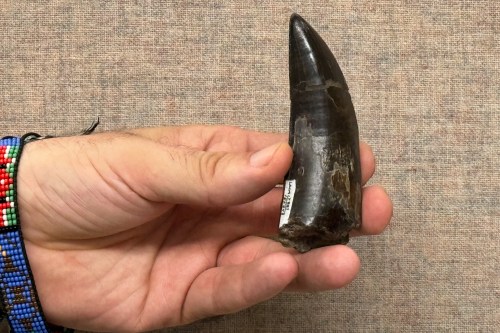
The T. rex had a body temperature similar to our own, study finds
3 minute read Preview Thursday, Sep. 17, 2026
Food literacy curriculum on the menu
5 minute read Preview Wednesday, Sep. 16, 2026