Debate and classroom discussion topics
Please review each article prior to use: grade-level applicability and curricular alignment might not be obvious from the headline alone.

Reimagined Little House still shot through with the truth
5 minute read Preview Saturday, Jul. 18, 2026
City tries to find the right balance in regulating personal e-vehicles
10 minute read Preview Friday, Jul. 17, 2026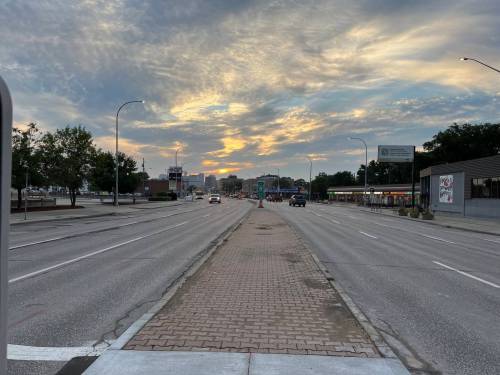
What happened to public service?
5 minute read Preview Friday, Jul. 17, 2026
Demand for Naloxone training workshops grows as drug crisis intensifies
4 minute read Preview Wednesday, Jul. 15, 2026
Alberta First Nation sues Ottawa over $5 treaty annuity, argues amount stuck in 1899
2 minute read Preview Thursday, Aug. 6, 2026
Hegseth announces new policy to test troops for low testosterone
5 minute read Preview Thursday, Jul. 16, 2026Canadian AI: What kind, and who will own it
5 minute read Wednesday, Jul. 15, 2026What is it we should fear about AI? That it will take our jobs? Overload our electricity networks and make our own energy needs more expensive? Put scarce freshwater resources at risk? Or is it that it will be unregulated, breach privacy laws and be used for a wide range of perverse purposes?
If Canadians are among the most distrustful of the AI revolution, it isn’t because they are uninformed or technologically regressive. Their reluctance is because there is no plan for Canadian AI guided by an overarching public interest.
To the contrary, the hundreds of AI data centre proposals in Canada are driven by an investor frenzy completely disconnected from Canadian needs or economic and social goals.
A Canadian Press freedom of information request from the federal government revealed that power demands from current proposals total more than 20 GW, a massive capacity comparable to the total power needs of all Canadian households, and 25 times greater than the roughly 850 MW the federal government has projected that known sovereign AI proposals will reach by 2030.

What a way to fly — if you’re rich
5 minute read Preview Wednesday, Jul. 15, 2026
More mayoral candidates would mean more ideas
4 minute read Preview Tuesday, Jul. 14, 2026