Art expert digs up clues about occult painter
Advertisement
Read this article for free:
or
Already have an account? Log in here »
To continue reading, please subscribe:

Digital Subscription
One year of digital access for only $205*
- Enjoy unlimited reading on winnipegfreepress.com
- Read the E-Edition, our digital replica newspaper
- Access News Break, our award-winning app
- Play interactive puzzles
*First annual payment billed as $205.00 + GST for one year. This annual subscription will automatically renew at $233.00 + GST every 52 weeks (10% off the regular annual price of $259.35). Offer available to new and qualified returning subscribers only. Cancel any time.
To continue reading, please subscribe:
Add Free Press access to your Brandon Sun subscription for only an additional
$1 for the first 4 weeks*
- Enjoy unlimited reading on winnipegfreepress.com
- Read the E-Edition, our digital replica newspaper
- Access News Break, our award-winning app
- Play interactive puzzles
*Your next Brandon Sun subscription payment will increase by $1.00 and you will be charged $17.95 plus GST for four weeks. After four weeks, your payment will increase to $24.95 plus GST every four weeks.
Read unlimited articles for free today:
or
Already have an account? Log in here »
Hey there, time traveller!
This article was published 20/07/2024 (791 days ago), so information in it may no longer be current.
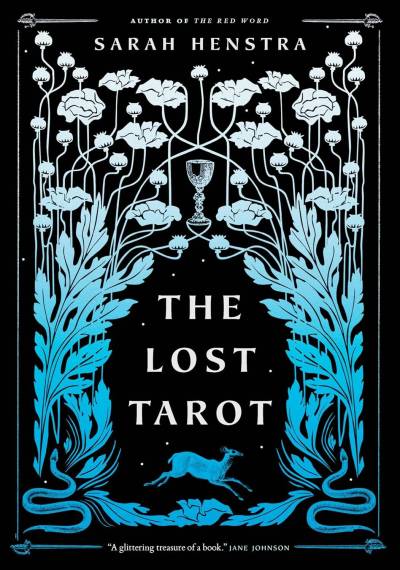
Novelist Sarah Henstra’s follow-up to her Governor General’s award-winning novel The Red Word sees her return to the shadowy politics of academic life while also weaving in the occult and surrealist painting.
Theresa Bateman is an up-and-coming expert in Surrealist art, though she has only managed to secure a precarious position as a sessional instructor; she is strongly affiliated with Dr. Russell Horber, who is a major figure in the field.
Both are most interested in the figure of Lark Ringold, a painter who was affiliated with a mysterious English cult and was killed in a fire in the late 1930s. Part of his allure, Ringold is rumored to have painted a deck of tarot cards, though the current scholarship asserts that the paintings, if they even exist, would have to have been created after his death.
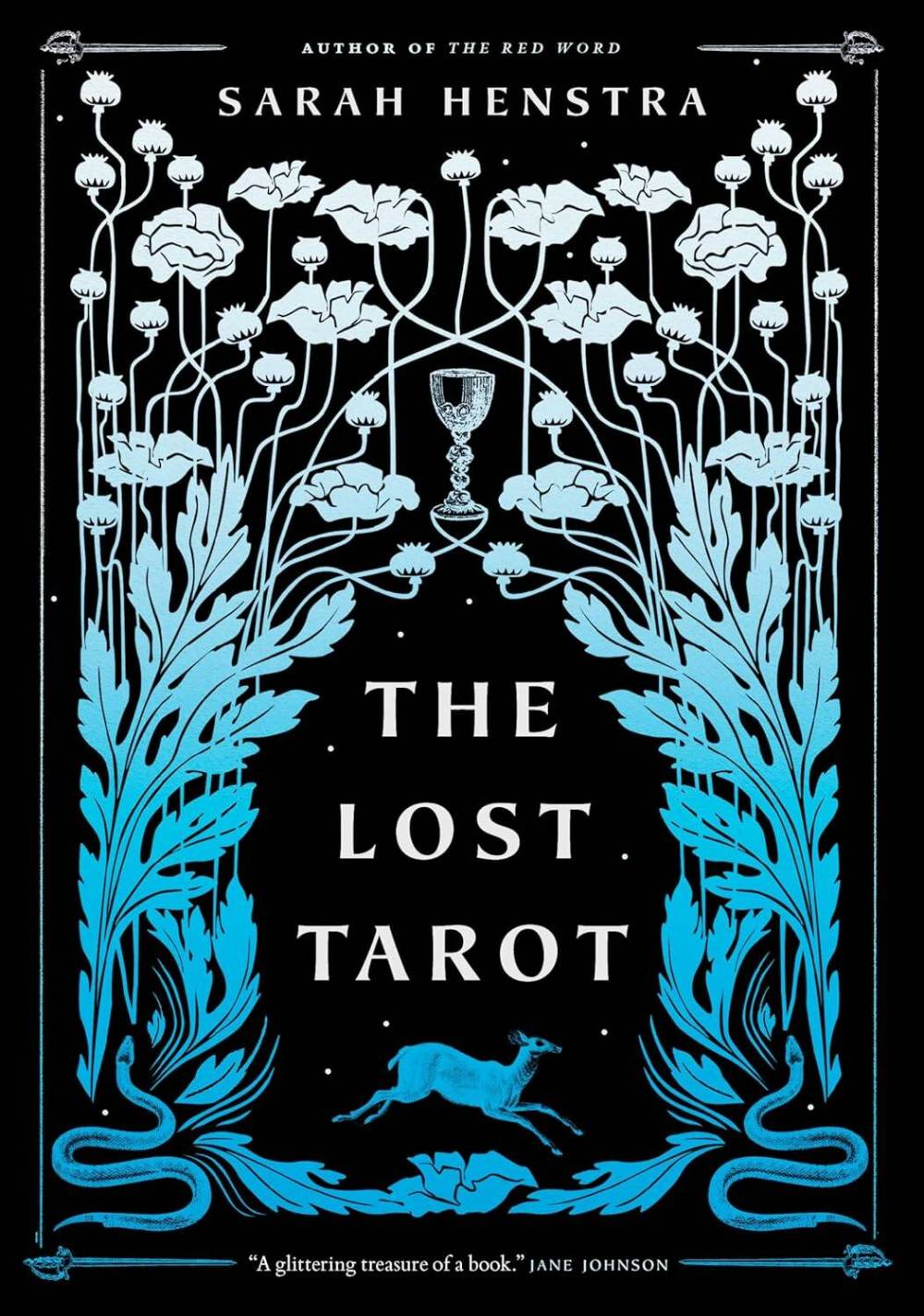
The Lost Tarot
Despite Horber’s elevated status as a Ringold “expert,” it’s Theresa who receives a letter containing a single card from the supposed Ringold tarot and asking that she come to England to verify that the rest of the deck’s images is indeed the work of Ringold.
The rest of the novel follows Nell and her twin brother, the artist Lark Ringold. Both have moved from Canada to live with their uncle Corvo Ringold, who is the leader of a bizarre cult called The Shown. After seeing the promise of his nephew Lark’s paintings, Corvo wants to commission him to produce a set of paintings which will be the basis of a tarot deck to aid in his teachings and in spreading the message of The Shown.
The narrative bounces between Theresa’s attempts to see the Ringold tarot paintings in order to verify their origin and Nell’s experiences with the bizarre cult of The Shown. The modern-day sections are more in line with Henstra’s previous novel, as Theresa navigates the various political pitfalls of the academy. This is a world Henstra clearly understands, and the hidden machinations of professors and experts vying to hold on to their privileged positions makes good novel fodder.

In contrast, the sections featuring Nell and The Shown are not as well realized. Cults are all the rage at the moment, but The Shown remains vague and undefined all through the novel.
While there is of course the need to keep such an organization and its leader mysterious to pull the narrative along, the lack of detail here makes it difficult to discern why Corvo even has followers or what he is promising them. It also makes it tough for readers to become invested in the truth of Lark Ringold and what happened to him and the tarot paintings. The past and present narrative sections feel a little too separated for their eventual connection to have much resonance for the reader.
Theresa’s work to navigate around Horber’s intrusion while uncovering the truth about the Ringold tarot is the aspect of the story which resonates most. Meanwhile, it’s difficult to really grasp what’s at stake for Nell and Lark, because Corvo and The Shown never really crystallize into anything defined. The language and sometimes-dreamlike prose in those sections are a pleasure to read but offer more style than substance.
The Lost Tarot doesn’t quite reach the heights of Henstra’s award-winning previous effort. While the twin narrative structure is an established method, one narrative works better than the other, making for an uneven though ultimately enjoyable novel.
Keith Cadieux is a Winnipeg writer and editor. His latest story collection Donner Parties and Other Anti-Social Gatherings is out this Fall from At Bay Press. He also co-edited the horror anthology What Draws Us Near, published by Little Ghosts Books.