Statistics and Probability
Please review each article prior to use: grade-level applicability and curricular alignment might not be obvious from the headline alone.
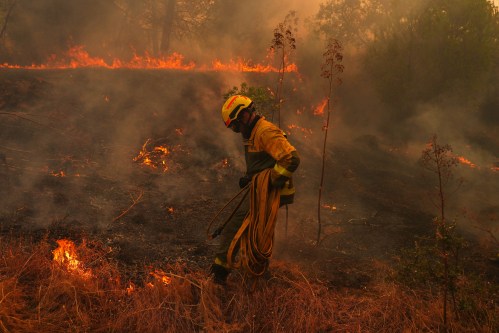
Human-caused climate change made Spanish, French fires much more likely, scientists calculate
5 minute read Preview Sunday, Aug. 2, 2026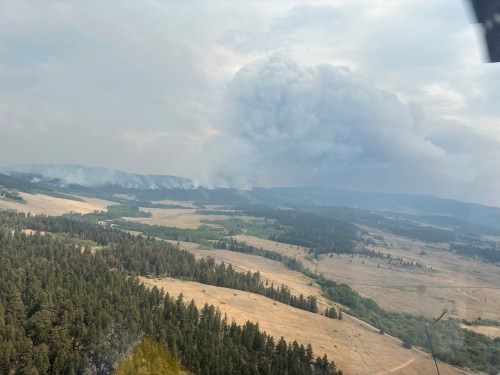
Poll suggests some Liberal supporters concerned about climate policy are leaning NDP
4 minute read Preview Friday, Aug. 21, 2026
Shoppers flock to the frozen aisle as fresh vegetable prices soar: Loblaw
4 minute read Preview Friday, Aug. 21, 2026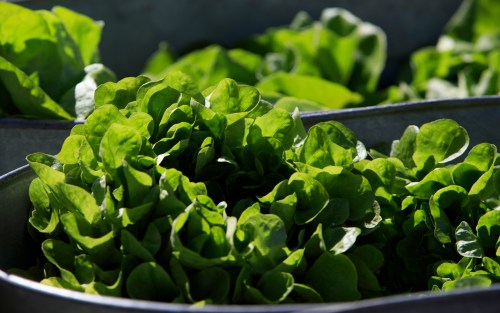
Between prices and a diarrhea-causing parasite, lettuce is causing hard times at some restaurants
5 minute read Preview Sunday, Aug. 2, 2026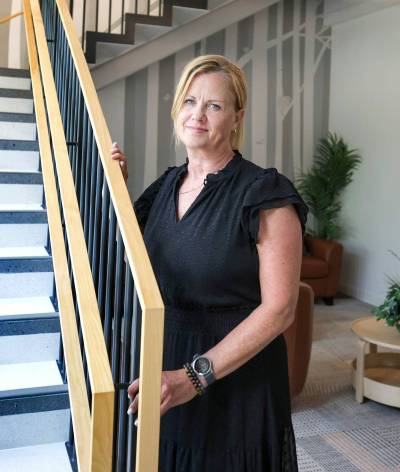
Toba Centre here to help kids who’ve suffered the unimaginable
6 minute read Preview Saturday, Jul. 25, 2026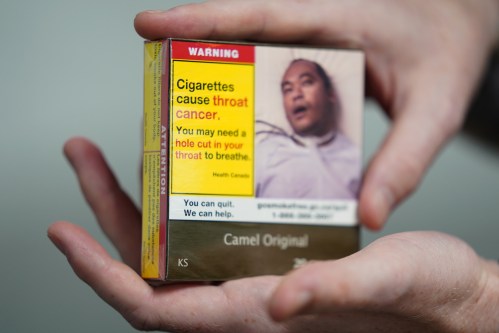
New graphic images are rolling out on cigarette packs in Canada. Could more be done?
6 minute read Preview Thursday, Jul. 23, 2026Canada overlooks scores of workers
4 minute read Wednesday, Jul. 22, 2026Canada has a labour shortage and a labour surplus at the same time. Canada’s labour force shortages are no longer a temporary challenge. Across the country, “help wanted” signs are everywhere.
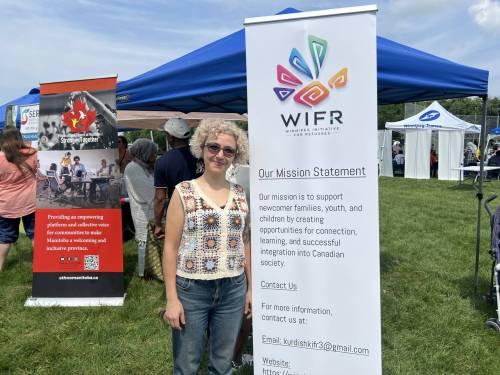
Easing the transition: Newcomer fair helps people find community, belonging
4 minute read Preview Saturday, Jul. 18, 2026
Drug court helps break addiction’s bleak cycle
6 minute read Preview Saturday, Jul. 18, 2026The decline of the liberal arts
4 minute read Saturday, Jul. 18, 2026At his trial for impiety and corrupting youth, the ancient Greek philosopher Socrates defended himself by justifying his life’s work, famously maintaining that “the unexamined life is not worth living.” Lamentably, he was found guilty of the charges and ironically sentenced to death via drinking poison hemlock.
Yet human life is undeniably worth examining. So how do we best do so?
The liberal arts curriculum in Western post-secondary education — liberal as in “to be free” and art as in “learned skill” — has historically been perhaps the primary means of examining the human condition and experience, in contrast to vocational, professional or technical fields of study in universities.
Today they comprise the humanities, such as history, philosophy and literature, as well as the social sciences, such as anthropology, sociology and political science, with psychology bridging onto the natural sciences.
Hundreds of economists say ‘we must act now’ on AI’s economic impact and job displacement risks
2 minute read Preview Tuesday, Aug. 4, 2026
‘Not a fun time’: Quebec video game industry in limbo as studios cut back
6 minute read Preview Tuesday, Jul. 14, 2026
Sports gambling marketing during World Cup raises concerns about negative influence on susceptible audiences
5 minute read Preview Saturday, Jul. 11, 2026
FIFA World Cup, youth job gains gave the labour market a lift in June
5 minute read Preview Sunday, Aug. 2, 2026
Emergency responders overburdened
4 minute read Preview Tuesday, Jul. 7, 2026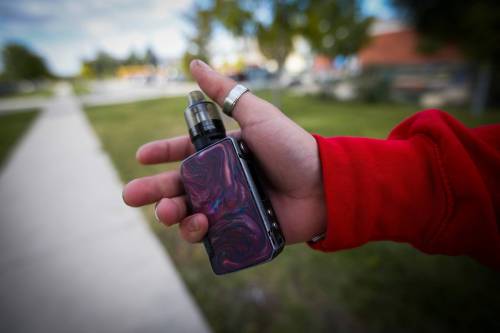
Vaping: a clear and present danger
4 minute read Preview Monday, Jul. 6, 2026We know who is at risk, but we wait anyway
4 minute read Friday, Jul. 3, 2026Children with disabilities are experiencing a mental health crisis and Manitoba’s systems are waiting for them to really struggle before they respond.
Across Canada, children with disabilities experience far higher rates of mental health challenges than their peers. Nearly three-quarters of children and youth with disabilities experience elevated mental health challenges. More than one-third score in the “very high” mental health difficulty category, a rate nearly 10 times higher than among children without disabilities.
Between 30 to 50 per cent of children with neurodevelopmental disabilities are diagnosed with mental health conditions, compared to eight to 18 per cent among typically developing children. This includes children with autism, ADHD, FASD, intellectual disabilities, learning disabilities and communication disorders.
Children who struggle with communication, sensory regulation, mobility, executive functioning, or social interaction are often excluded long before systems recognize the emotional consequences of that exclusion. Loneliness and exclusion are not side issues — they are public health issues for children with disabilities.

WFPS responded to record number of medical calls in 2025, annual report shows
4 minute read Preview Thursday, Jul. 2, 2026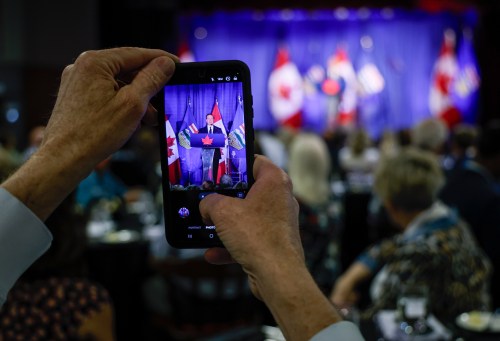
Do online influencer posts count as news? Younger Canadians more likely to say yes
4 minute read Preview Thursday, Jul. 30, 2026
Seven of city’s 10 best-paid employees work for police
3 minute read Preview Saturday, Jun. 27, 2026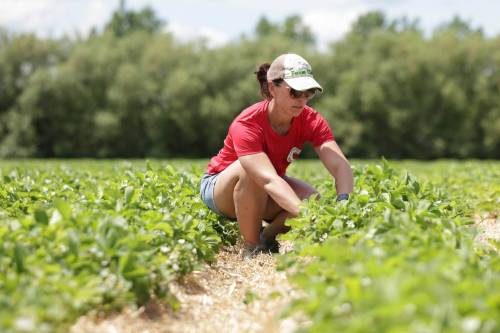
Berry farms brave storms, eye opening days
4 minute read Preview Saturday, Jun. 27, 2026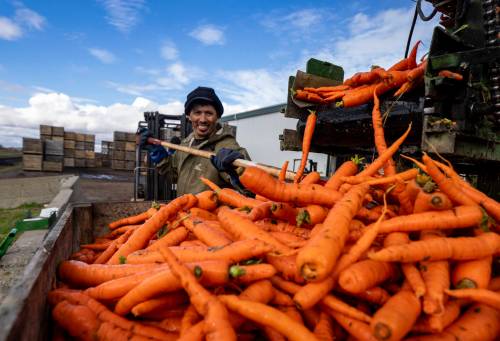
Farmers just one link in long supply chain
4 minute read Preview Saturday, Jun. 27, 2026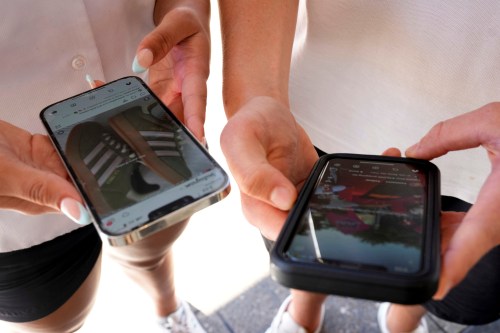
Most Canadian teens have seen violence, gore online: survey
4 minute read Preview Tuesday, Jul. 21, 2026