Practical Science
Please review each article prior to use: grade-level applicability and curricular alignment might not be obvious from the headline alone.
U of M over the moon about satellite’s lunar launch
3 minute read Preview Monday, Nov. 24, 2025
U of M chemist earns award for work on new drug candidate for treating Lou Gehrig’s disease
3 minute read Preview Monday, Nov. 17, 2025
Author goes far and wide on quest to document all plants native to Manitoba
7 minute read Preview Saturday, Nov. 15, 2025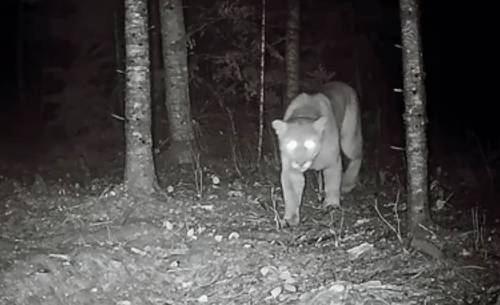
Cougar makes rare appearance in Manitoba
3 minute read Preview Friday, Nov. 14, 2025
Greenwashing rules to be scaled back, but scope of change remains unclear
5 minute read Preview Wednesday, Nov. 12, 2025
How Canada can regain its measles elimination status
6 minute read Preview Wednesday, Nov. 12, 2025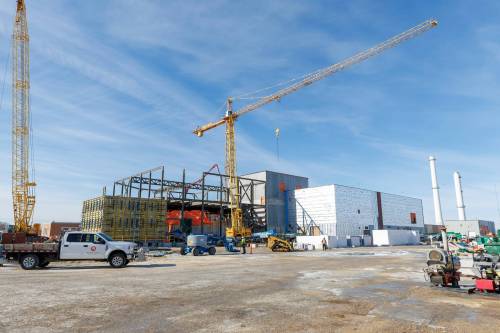
City tries to get the most bang for its (sewage) buck
4 minute read Preview Friday, Nov. 7, 2025
U of M research underscores importance of polar bears to future of Arctic
5 minute read Preview Tuesday, Oct. 28, 2025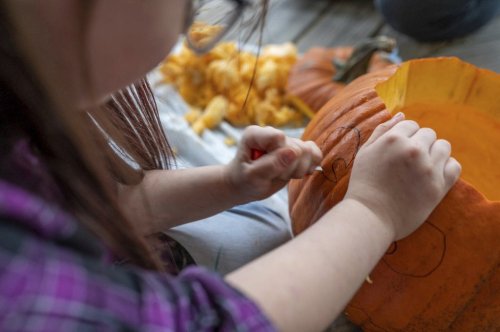
Halloween pumpkin waste is a methane problem, but chefs and farmers have solutions
5 minute read Preview Tuesday, Oct. 28, 2025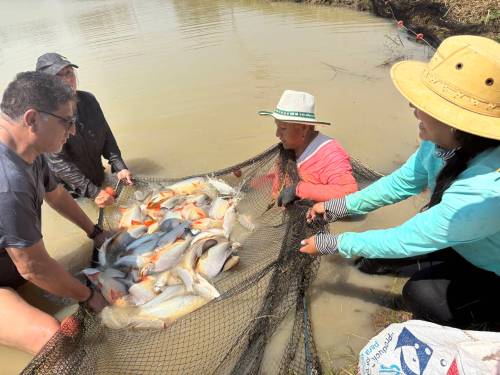
Winnipeg-based organization injects federal funds into innovative, women-powered business in Bolivia
13 minute read Preview Friday, Oct. 10, 2025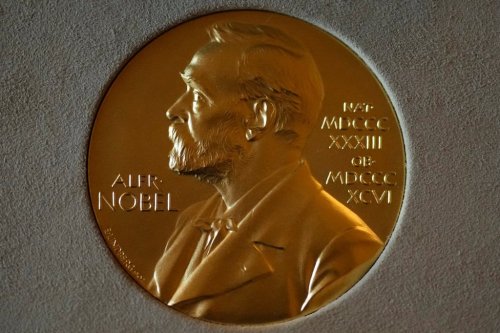
Three scientists at US universities win Nobel Prize in physics for advancing quantum technology
6 minute read Preview Wednesday, Oct. 15, 2025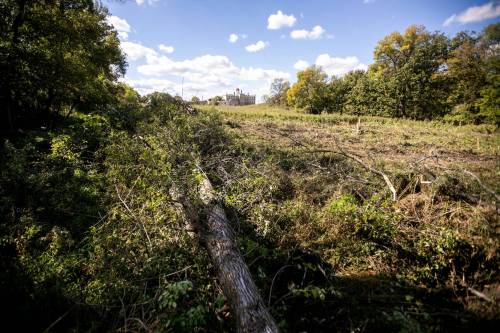
Another subdivision, another city problem
5 minute read Preview Tuesday, Sep. 23, 2025Wildfires like this aren’t normal. Stop trying to normalize them.
“Bring a pair of pants and a sweater to Clear Lake — it’s unseasonably cool because of the wildfires.” That was just one of those meteorological idiosyncrasies, attempting to reach back deep into long-forgotten geography lessons, that may seem obvious to those on the Prairies. But for the outsider, a visitor from Toronto, and indeed a relative newcomer to Canada, it was certainly a shock, and a stark reminder that I would be flying into a province still under a state of emergency, which had until recently been decimated by wildfires. It was also an introduction into what may be considered ‘normal’.
Visiting Manitoba this August was extraordinary — the people most certainly lived up to the “friendly” billing that adorns the licence plates, and the scenery of Riding Mountain National Park was worth the trip alone. However, there were a number of topics of conversation that made me question what I had come to know as accepted wisdom.
Talk about fishing restrictions, Indigenous rights, oil and gas permeated discussions, with healthy, good spirited debates. But for me, the most vexing issue was wildfires. More specifically, the extent of their aftermath, effects, and associated restrictions, have become normalized.
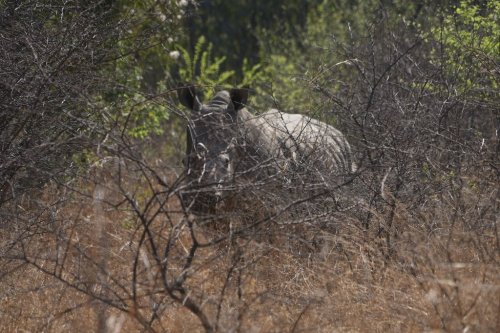
On World Rhino Day, South Africa marks progress but still loses a rhino daily to poachers
5 minute read Preview Wednesday, Oct. 15, 2025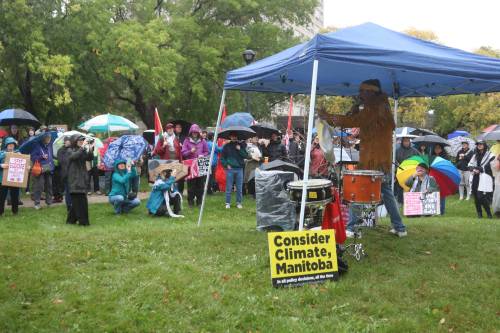
Ralliers decry Kinew’s pro-pipeline policy
4 minute read Preview Saturday, Sep. 20, 2025

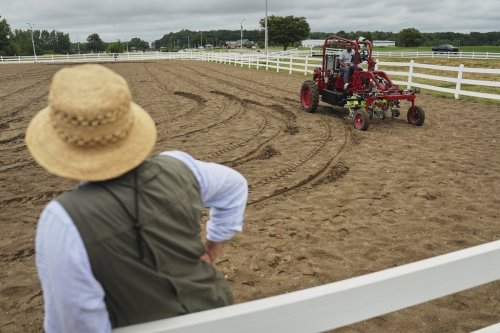
Will electric tractors gain traction? At a pilot event for farmers, researchers see possibilities
7 minute read Preview Friday, Oct. 10, 2025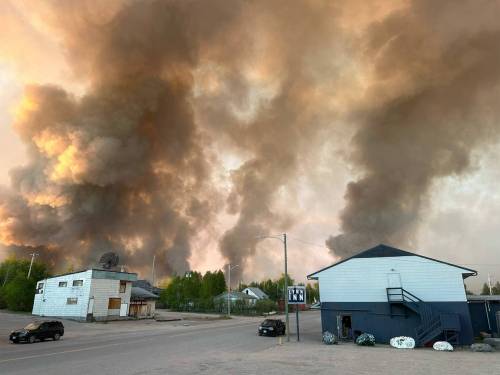
After summer evacuation, northern students ready to hit the books
4 minute read Preview Friday, Sep. 19, 2025
Province creates hunting buffer zone on Bloodvein First Nation
3 minute read Preview Monday, Sep. 15, 2025
Province accuses mining company of negligence in Lynn Lake wildfire
3 minute read Preview Monday, Sep. 15, 2025
Very hungry caterpillars very good for biodiversity
5 minute read Preview Saturday, Sep. 13, 2025Nation building needs research — not just infrastructure
5 minute read Saturday, Sep. 13, 2025Living through the second Trump administration as a Canadian has been likened, by one commentator, to a teenager being kicked out of the house. We must grow up fast and deal with the fact that we can now only rely on ourselves. So, the federal government is moving fast on files related to security, sovereignty and connectivity. The Liberals passed Bill C-5 to expedite projects that will help Canadians live on our own. Wonderful.
But.
In our rush forward, we cannot overlook the power of nation-building research, which must go hand-in-glove with these infrastructure projects. Research and infrastructure are not competing priorities: they are essential partners in nation-building.
Bill C-5, the Building Canada Act, grants the federal government sweeping powers to quickly build large projects that help goods move faster and more easily. This act intends to strengthen our security, autonomy, resilience and advance the interests of Indigenous Peoples. But there can be no nation-building without nation-building research.