Social Studies Grade 10: Geographic Issues of the 21st Century
Please review each article prior to use: grade-level applicability and curricular alignment might not be obvious from the headline alone.

Manitoba-made technology earns faith of investors across Canada
5 minute read Preview Tuesday, Aug. 11, 2026
The right plan for reliable energy
5 minute read Preview Tuesday, Aug. 11, 2026The drugs changed — our systems didn’t
5 minute read Tuesday, Aug. 11, 2026A recovery-oriented system must connect housing, care, public safety and long-term community support.
Around 2016, something changed on Winnipeg’s streets. Methamphetamine became more prevalent. Fentanyl entered the supply. The drugs became more toxic, addiction more relentless and homelessness far more complex.
Our systems, however, largely remained the same.
For years, we have described Winnipeg’s homelessness crisis primarily as a housing problem. There is no question that we need affordable, supportive and transitional housing. But housing is only part of the crisis unfolding on our streets.

City emergency crews to administer drug that stops opioid withdrawal symptoms
5 minute read Preview Monday, Aug. 10, 2026
Take a hike... or a bike ride on these Winnipeg trail options
5 minute read Preview Monday, Aug. 10, 2026
First Nations chiefs in B.C. call on Carney, Smith, to halt pipeline advancement
5 minute read Preview Monday, Aug. 31, 2026
Does Wealthsimple want to add sports, politics to its new prediction markets product?
5 minute read Preview Monday, Aug. 10, 2026
Vibrant Norwood apartment garden a labour of love to honour green thumb’s late partner
7 minute read Preview Saturday, Aug. 8, 2026
Minago mining project under review with First Nation seeking funding options
5 minute read Preview Saturday, Aug. 8, 2026Experiential course hailed as ‘a made-in-Manitoba triumph’
5 minute read Friday, Aug. 7, 2026The University of Winnipeg is marking the 10th session of an experiential course — or, as a critic once put it, “Marxist summer camp” — that brings suburban and inner-city students together to study social justice issues in class and community internships.
Dozens of people gathered at Merchants Corner on Selkirk Avenue, home to the Inner-City Work Study program, to celebrate the milestone on Thursday.
Instructor Lorie English told the crowd the impact of students’ outreach and grant-writing work has given her hope amid a particularly challenging season.
“This has been a tough summer for the sector,” said English, who has taught the community development course since it launched in May 2017 as a four-month pilot project funded by the City of Winnipeg.

Farm to table is better, friendlier, tastier
9 minute read Preview Friday, Aug. 7, 2026
Trucking operation linked to fatality in Brandon shut down by Alberta government
5 minute read Preview Friday, Aug. 7, 2026
Dairy farmers warn against concessions as U.S. tariff deadline looms
5 minute read Preview Monday, Aug. 10, 2026
Old military transport aircraft to get new lease on life as waterbombers
3 minute read Preview Monday, Aug. 10, 2026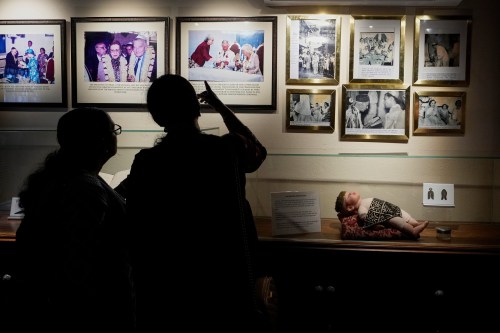
After centuries in India, the last Cochin Jews try to keep their history alive
7 minute read Preview Saturday, Aug. 15, 2026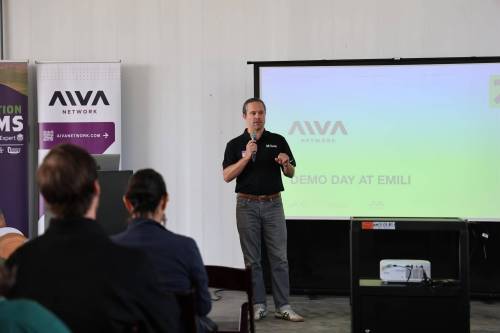
California tech company sees Manitoba as strategic gateway to dairy market
4 minute read Preview Thursday, Aug. 6, 2026
PM says Ottawa is ‘loyal’ to supply management system protecting dairy sector
4 minute read Preview Monday, Aug. 10, 2026Brandon clears way for affordable housing project
3 minute read Thursday, Aug. 6, 2026BRANDON — The City of Brandon and the government of Manitoba hope to alleviate homelessness with a housing complex near the Brandon hospital.
A residential building with up to 48 units is being planned for a city-owned lot at 705 Rideau St., the City of Brandon said in a news release Wednesday.
The project, described as “a significant milestone in the community’s efforts to end homelessness,” will include supports for those transitioning into housing.
Housing, Addictions and Homelessness Minister Bernadette Smith called it part of a “historic surge in affordable housing across Manitoba.”

Water-bus service relaunches with bigger boat
4 minute read Preview Wednesday, Aug. 5, 2026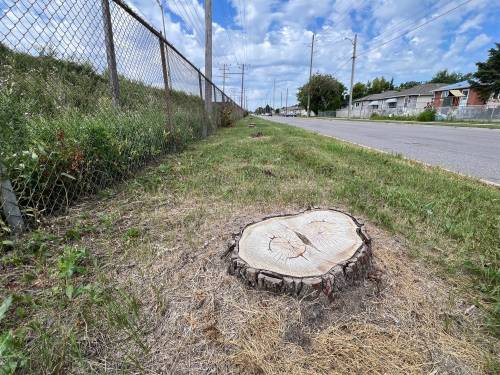
Razed tree canopy leaves Selkirk Avenue stretch noisier, dirtier: resident
4 minute read Preview Wednesday, Aug. 5, 2026Getting energy another way
4 minute read Wednesday, Aug. 5, 2026As Manitoba’s Public Utilities Board analyzes Manitoba Hydro’s Integrated Resource Plan, three points are apparent.

Manitoba Hydro’s $3 billion fossil fuel bet
5 minute read Preview Wednesday, Aug. 5, 2026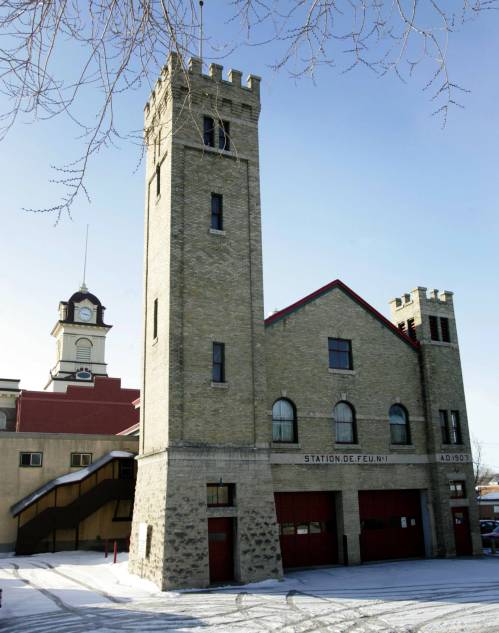
City seeking proposals to lease, manage, program St. Boniface heritage buildings
5 minute read Preview Tuesday, Aug. 4, 2026