
Social Studies Grade 10: Geographic Issues of the 21st Century
Please review each article prior to use: grade-level applicability and curricular alignment might not be obvious from the headline alone.
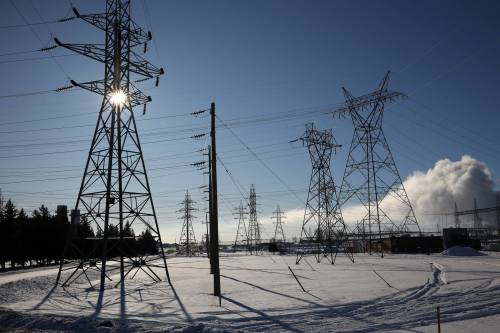
Manitoba Hydro’s $3 billion fossil fuel bet
5 minute read Preview Wednesday, Aug. 5, 2026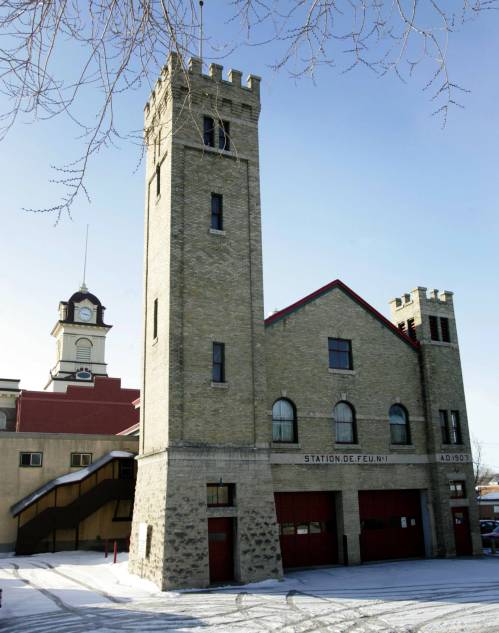
City seeking proposals to lease, manage, program St. Boniface heritage buildings
5 minute read Preview Tuesday, Aug. 4, 2026
Homegrown grub: Resto turns to the Leaf for freshest ingredients
4 minute read Preview Tuesday, Aug. 4, 2026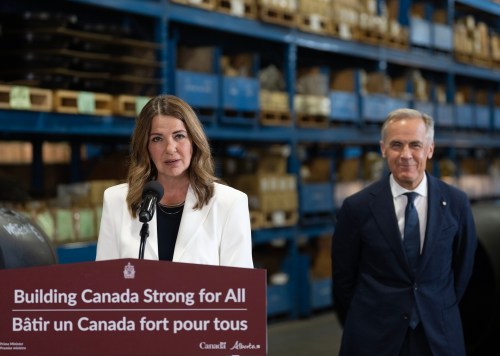
Ottawa moves to list Alberta-backed West Coast pipeline as national interest project
4 minute read Preview Wednesday, Aug. 5, 2026
Helium demand balloons as Mideast supplies deflate: Can Canada meet the moment?
6 minute read Preview Tuesday, Aug. 25, 2026
Crop storage headaches loom on horizon
4 minute read Preview Saturday, Aug. 1, 2026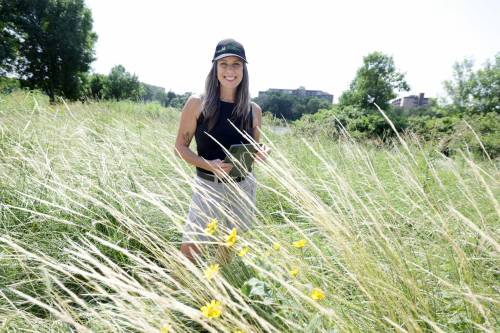
Embarking on backyard photo expedition benefits science, conservancy says
3 minute read Preview Friday, Jul. 31, 2026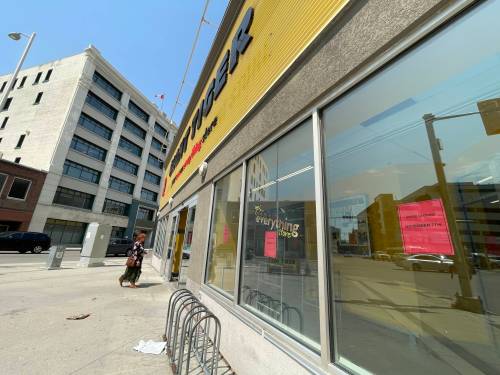
Giant Tiger decision creates giant void for desperate population
5 minute read Preview Friday, Jul. 31, 2026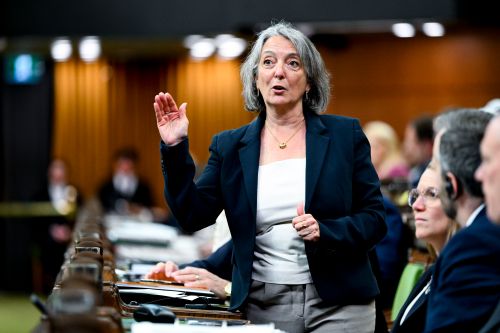
Ottawa approves northern Ontario nickel mine
2 minute read Preview Sunday, Aug. 2, 2026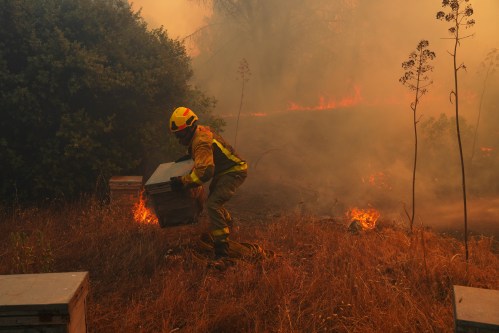
UN, scientists warn that strong El Nino will add fuel to ‘a planet already on fire’
5 minute read Preview Saturday, Aug. 22, 2026
The bountiful harvest: Thousands of visitors flock to St. Norbert Farmers’ Market every Saturday
17 minute read Preview Friday, Jul. 31, 2026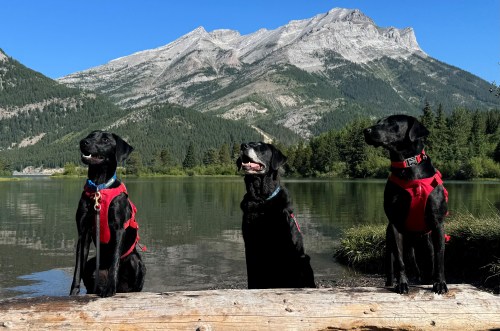
Alberta lets the dogs out, recruits more canine muscle in fight against mussels
3 minute read Preview Saturday, Aug. 22, 2026Keep free youth transit simple
4 minute read Friday, Jul. 31, 2026For too many young Winnipeggers, the cost of a bus pass is a barrier. It can mean missing a class, turning down a job opportunity or staying home from a program that could change their future.
Free transit for youth in Winnipeg is a transformational policy that will pay dividends for decades to come — advancing key environmental, educational and poverty reduction goals in our communities.
As champions for young people across our city, BGC Winnipeg and the YMCA-YWCA of Winnipeg commend Premier Wab Kinew and Mayor Scott Gillingham for recognizing that investing in young people is investing in Winnipeg’s future. By uniting to make transit free for youth across Winnipeg, both levels of government are delivering a forward-thinking policy that has the potential to have generational impact.
At a time when families are stretched to their limits by inflation, free transportation for youth offers real, immediate relief.
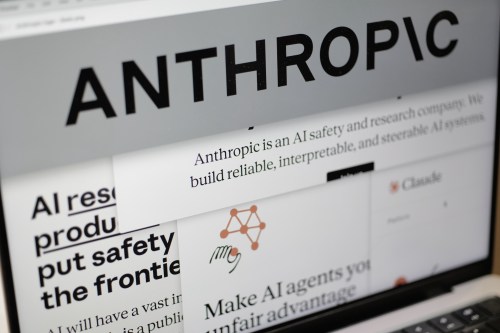
Anthropic says its AI models hacked 3 organizations during testing
4 minute read Preview Sunday, Aug. 2, 2026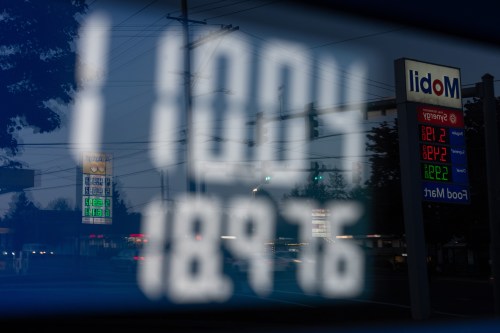
Major oil companies reap massive profits as US and Iran fighting drives energy prices higher
7 minute read Preview Sunday, Aug. 2, 2026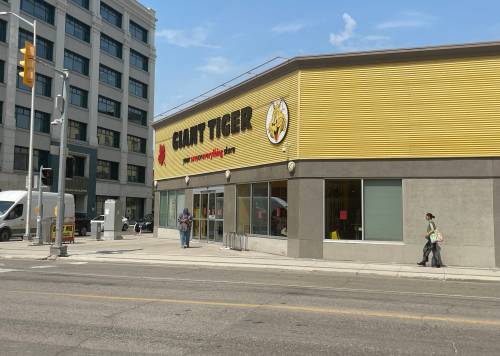
Giant Tiger to close downtown, area residents bemoan dwindling grocery options
4 minute read Preview Thursday, Jul. 30, 2026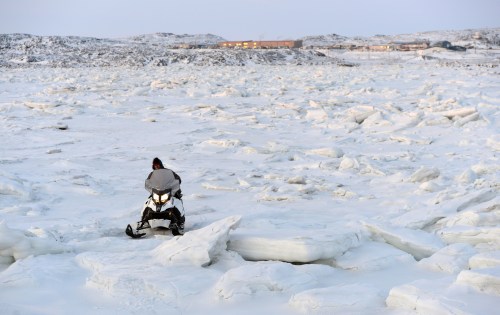
Minister says changes to Nutrition North program set to roll out in the fall
5 minute read Preview Friday, Aug. 21, 2026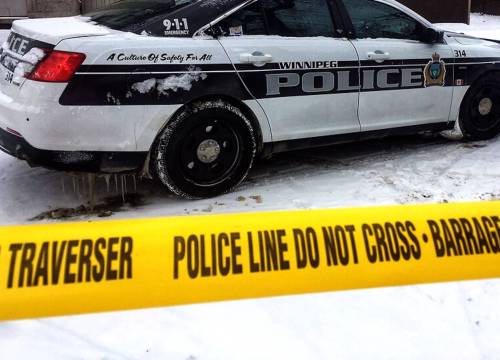
City’s crisis-response proposal makes too much sense for province to ignore
5 minute read Preview Thursday, Jul. 30, 2026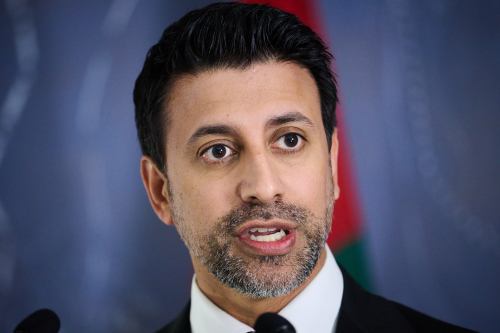
Ottawa opening exports office as part of strategy to diversify trade
3 minute read Preview Friday, Aug. 21, 2026
Between prices and a diarrhea-causing parasite, lettuce is causing hard times at some restaurants
5 minute read Preview Sunday, Aug. 2, 2026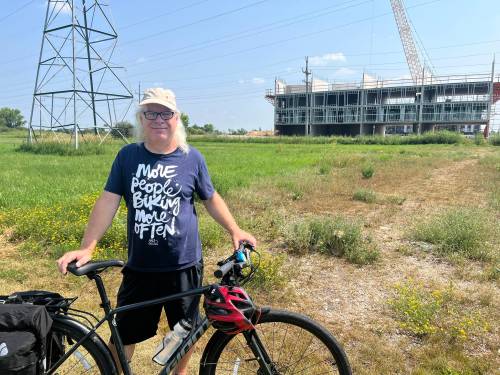
Ceremony heralds growth of active transportation network in city’s north
4 minute read Preview Tuesday, Jul. 28, 2026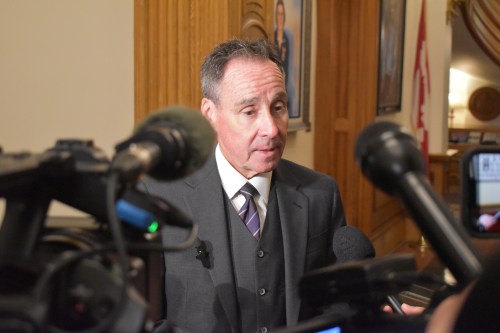
Canadian Copper expands New Brunswick mining operation, over 100 jobs expected
3 minute read Preview Saturday, Aug. 1, 2026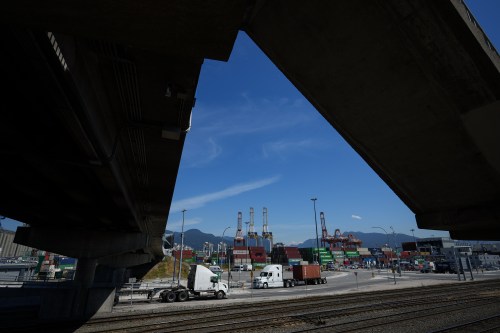
‘Drive day and night’: TFI plans to roll out driverless trucks in U.S.
4 minute read Preview Wednesday, Aug. 19, 2026Every few weeks, Winnipeg repeats the same ritual.
An encampment is dismantled. People gather what little they own and move somewhere else. Outreach workers start over. Police respond to the next location. Emergency departments see the same people. Neighbours grow more frustrated. Businesses absorb another loss.
Then the cycle begins again.
We’ve mistaken movement for progress.