
Becoming a Sovereign Nation 1867-1931
Please review each article prior to use: grade-level applicability and curricular alignment might not be obvious from the headline alone.
Asian Heritage Month: more than a celebration
4 minute read Thursday, May. 21, 2026May is Asian Heritage Month in Canada. In Manitoba, it is a time to honour the many Asian communities who have shaped this province through culture, labour, leadership, family, food, faith, art, advocacy and public service. Celebration matters. But so do the stories that give celebration its sweetness.
Asian Canadian history is made of many threads.
We remember Chinese labourers who helped build the Canadian Pacific Railway while later facing the Chinese Head Tax and the Chinese Exclusion Act.
We remember the South Asian passengers of the Komagata Maru, denied entry by immigration rules designed to exclude them.

This not just in: treaty rights carry legal force and are protected in the Constitution
5 minute read Preview Tuesday, May. 19, 2026
Tories question CBC funding of spoof-style Indigenous show on residential schools
6 minute read Preview Friday, May. 15, 2026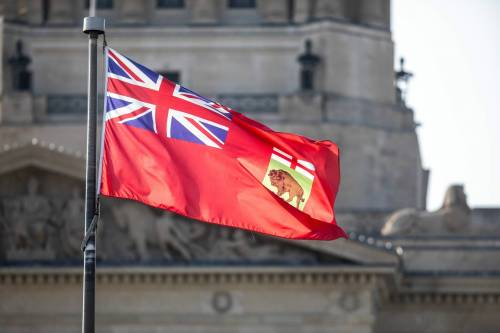
Manitoba’s flag: A symbol of shared heritage at 60
4 minute read Preview Wednesday, May. 13, 2026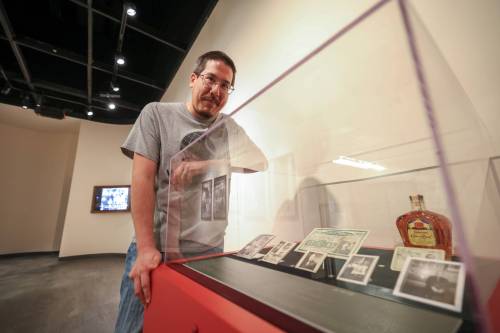
Exhibition takes Canadian history of Chinese oppression from the archives into the light
6 minute read Preview Monday, May. 11, 2026
Winnipeg’s forgotten Stanley Cup champ
6 minute read Preview Saturday, May. 9, 2026
Chartrand lauds court decision as ‘victory for Red River Métis’
3 minute read Preview Monday, May. 4, 2026
Census data does much more than determine population
8 minute read Preview Friday, May. 1, 2026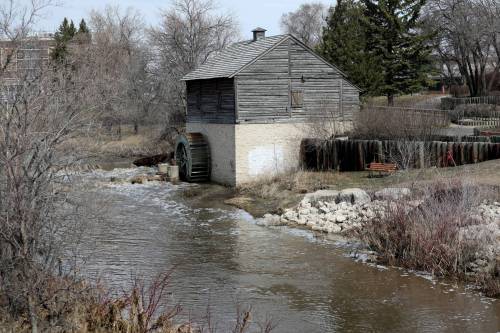
Structural issues forced Grant’s Old Mill, built in 1973, to shut down
4 minute read Preview Monday, Apr. 27, 2026
Manitoba Métis president rebukes AFN chief over call for withdrawal of treaty
4 minute read Preview Saturday, May. 16, 2026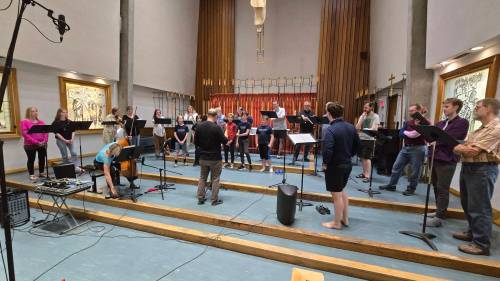
Stirring oratorio pays homage to Indigenous veterans
5 minute read Preview Friday, Apr. 24, 2026
Gov. Gen. Mary Simon addresses United Nations forum on Indigenous rights
5 minute read Preview Sunday, May. 10, 2026
First Nations say Eby backs down again, now seeks joint path on B.C. Indigenous law
4 minute read Preview Thursday, May. 7, 2026
Le destin renversé du 261 rue Youville
5 minute read Preview Saturday, Apr. 11, 2026![Fonseca, W. G. (1884) Winnipeg. Ottawa: Mortimer & Co. [Map] Retrieved from the Library of Congress, https://www.loc.gov/item/99463757/.
Fonseca, W. G. (1884) Winnipeg. Ottawa: Mortimer & Co. Retrieved from the Library of Congress, https://www.loc.gov/item/99463757/.](https://www.winnipegfreepress.com/wp-content/uploads/sites/2/2026/04/4096420_web1_winnipeg-1884-map.jpg?w=500)
Hand-drawn 1884 map captures Winnipeg at moment when frontier hadn’t fully given way to a metropolis
9 minute read Preview Friday, Apr. 10, 2026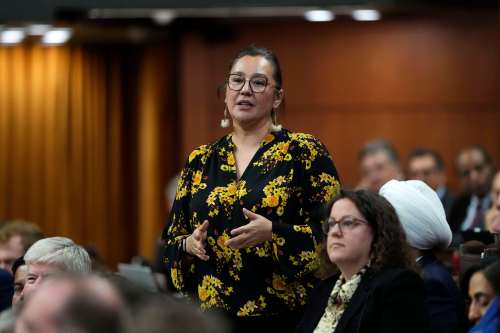
Indigenous services minister questioned about fire that killed toddler
5 minute read Preview Wednesday, Apr. 29, 2026
First World War soldier’s remains traced to Manitoba
5 minute read Preview Tuesday, Mar. 24, 2026
Some B.C. appraisers adding land-claims clause after Aboriginal title court case
3 minute read Preview Friday, Apr. 24, 2026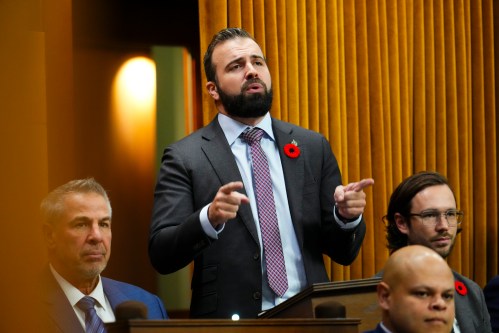
B.C. chiefs tell MP Aaron Gunn to ‘chillax’ about land acknowledgments
3 minute read Preview Friday, Apr. 24, 2026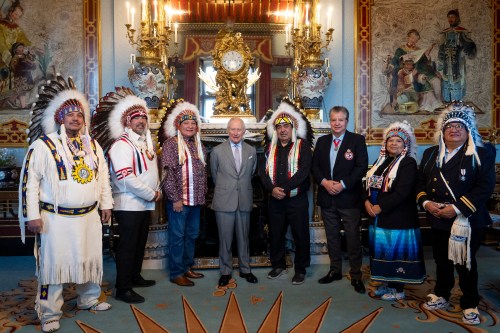
King Charles ‘expressed his concern’ over Alberta separatism in meeting: grand chief
5 minute read Preview Friday, Apr. 24, 2026
Marc Miller says Musqueam deal has ‘nothing to do with’ private property
3 minute read Preview Friday, Apr. 24, 2026Precedent-setting Treaty 1 case wraps up
4 minute read Wednesday, Mar. 4, 2026A precedent-setting trial that wrapped up in Winnipeg’s Court of King’s Bench at the end of February has called for a court to determine, for the first time in 150 years, whether the value of Treaty 1 annuities is subject to an increase after being frozen at $5 per person since 1875.
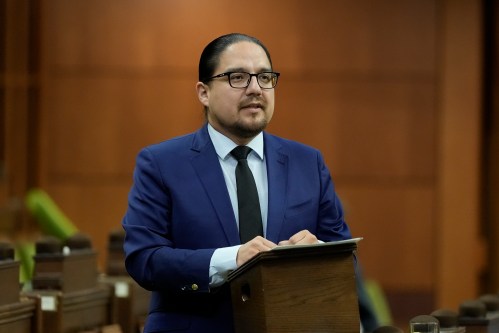
Opposition parties back changes to status rules in Indian Act, Liberals say not yet
5 minute read Preview Saturday, Mar. 21, 2026Festival du Voyageur and the modern fur industry
4 minute read Tuesday, Feb. 24, 2026Festival du Voyageur, which wrapped up its 57th annual run this past weekend, is hard to pin down.
It is Western Canada’s largest winter festival and francophone event. It celebrates Indigenous history and culture. It used to hold staged gunfights or “skirmishes” and a casino.
It can be easy to forget that Festival du Voyageur is at its core a celebration of Canada’s fur trade history. Without the fur trade, there would be no Canada as we know it. Among other things, it was the engine of French settlement in North America and gave birth to the Metis Nation. At the same time, the fur trade had profound and lasting negative impacts on Indigenous communities and devastated local populations of beavers and other animals. Any event that commemorates a history as deeply contentious as that of the fur trade — especially one that draws tens of thousands of people each year — must do so responsibly.
Festival du Voyageur agrees.