Social Studies Grade 9: Canada in the Contemporary World
Please review each article prior to use: grade-level applicability and curricular alignment might not be obvious from the headline alone.

Broadening prediction-market gambling a bad idea
4 minute read Preview Saturday, Oct. 3, 2026
Manitoba marks end of sending simple workplace problems to doctor’s office
7 minute read Preview Saturday, Oct. 3, 2026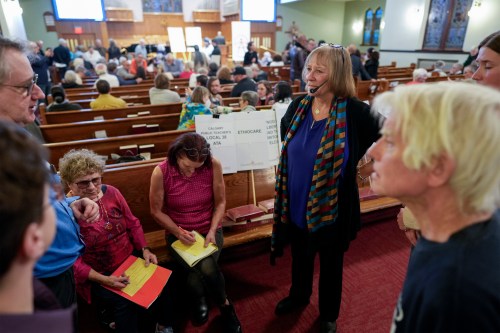
The idea of Alberta separation viewed through a faith lens shows further fracture lines
10 minute read Preview Saturday, Oct. 3, 2026Fewer pitchforks, better policy
4 minute read Saturday, Oct. 3, 2026Tenants facing rent increases of 50, 75 or even 100 per cent in several Winnipeg apartment buildings should be taken seriously.
Increases such as these can be devastating for seniors on fixed income or families already stretched by the cost of living.
I’m familiar with the buildings in last Saturday’s article (Tenants slam Alta.-based landlord, protest rent increases, Sept. 26). Before the buildings sold, the same group had owned them for decades. Many rents were around $500 a month, maintenance had been put off for years, and some of the buildings were nearly unlivable.
Unfortunately, this isn’t unusual in Manitoba. Existing housing policy has led to the oldest rental stocks in the country, with tens of thousands of units at or past 50 years old. Keeping them livable will take hundreds of millions of dollars. This is a bad time to make reinvesting in apartments even less attractive and put thousands of construction jobs at risk.
Every constituent deserves a voice in question period
5 minute read Saturday, Oct. 3, 2026When the Manitoba legislature returned to session on Tuesday, Sept. 29, former Progressive Conservative Party of Manitoba leader Obby Khan, who resigned as leader and from the party on Sept. 28, took his seat as an independent.
He joined a small group that rarely gets much attention — the members who sit outside the recognized parties. With him, there are now four.
How the legislature treats them says a lot about how seriously it takes the voters who sent them there.
Under the Rules of the Legislative Assembly, a party needs four members to be recognized.
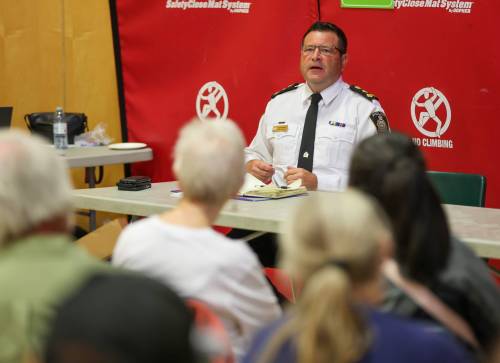
Cops handcuffed by bail issues, lack of mental-health options, WPS chief tells residents in crime-ridden North End neighbourhood
6 minute read Preview Friday, Oct. 2, 2026
Six high school hockey programs ceased operations following new Hockey Manitoba policy
7 minute read Preview Friday, Oct. 2, 2026
A day on the campaign trail: Winnipeg's mayor, seeking a second term, does double duty
12 minute read Preview Friday, Oct. 2, 2026
Alberta Mountie found not guilty of using police database to help Rwanda
3 minute read Preview Monday, Oct. 5, 2026
Quebec Conservative Leader Éric Duhaime admits to using AI to write book
3 minute read Preview Monday, Oct. 5, 2026
Clock ticks down on destruction of records documenting residential school abuses
13 minute read Preview Friday, Oct. 2, 2026
Province putting $8M into safe space for Thompson Indigenous women and families
3 minute read Preview Friday, Oct. 2, 2026
Critical mineral development: Grid Metals promotes southeast Manitoba cesium deposit
3 minute read Preview Thursday, Oct. 1, 2026
Health minister warns $1.2 billion in annual federal funding set to expire in March
4 minute read Preview Thursday, Oct. 1, 2026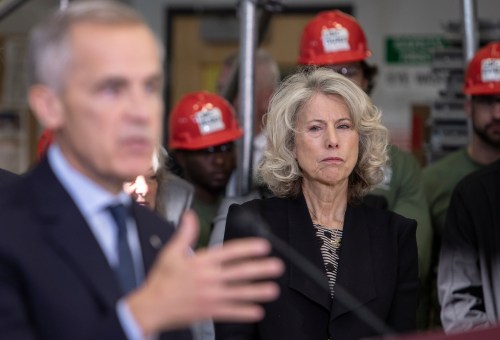
Indigenous groups given just two months to consult on pipeline project designation
6 minute read Preview Updated: Yesterday at 7:37 AM CDT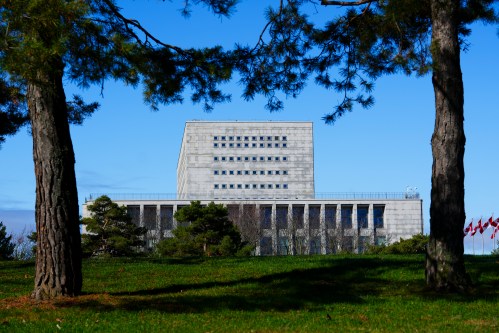
AI agent attempted to hack Library and Archives Canada, says U.S. research group
3 minute read Preview Updated: Yesterday at 7:38 AM CDT
Canadian astronaut reaches International Space Station for six-month mission
5 minute read Preview Thursday, Oct. 1, 2026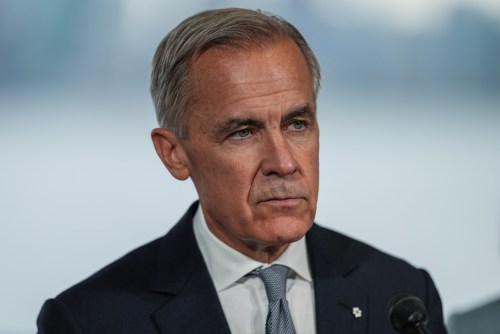
Carney gives Alberta pipeline special interest designation, to be called Pacific Link
5 minute read Preview Tuesday, Oct. 6, 2026
Winnipeg’s challenge: preparing for weather extremes
5 minute read Preview Thursday, Oct. 1, 2026‘Warmest welcome’ at Manitoba, U.K. defence partnership summit
4 minute read Wednesday, Sep. 30, 2026The working name of Manitoba’s newest defence-focused group is Tea and Textiles.

Trade tensions spur fresh wave of interest in community-supported farms, fisheries
5 minute read Preview Thursday, Oct. 1, 2026
Hero fought to remember children lost at residential school
5 minute read Preview Tuesday, Sep. 29, 2026
Province to acquire campground near former residential school
3 minute read Preview Tuesday, Sep. 29, 2026