Canada: Opportunities and Challenges
Please review each article prior to use: grade-level applicability and curricular alignment might not be obvious from the headline alone.

Shoppers flock to the frozen aisle as fresh vegetable prices soar: Loblaw
4 minute read Preview Friday, Aug. 21, 2026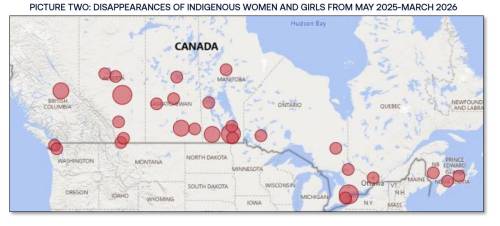
Report draws link between missing Indigenous women and trafficking across Canada
6 minute read Preview Tuesday, Jul. 28, 2026
Temporary foreign workers rally to stay
4 minute read Preview Tuesday, Jul. 28, 2026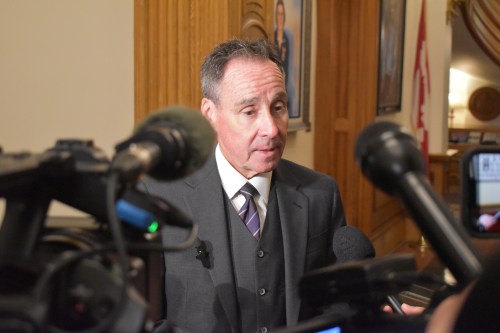
Canadian Copper expands New Brunswick mining operation, over 100 jobs expected
3 minute read Preview Saturday, Aug. 1, 2026Every few weeks, Winnipeg repeats the same ritual.
An encampment is dismantled. People gather what little they own and move somewhere else. Outreach workers start over. Police respond to the next location. Emergency departments see the same people. Neighbours grow more frustrated. Businesses absorb another loss.
Then the cycle begins again.
We’ve mistaken movement for progress.
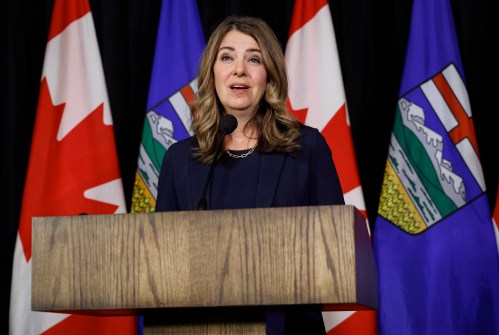
Alberta to begin allowing self-referred medical testing as of Friday
4 minute read Preview Tuesday, Aug. 18, 2026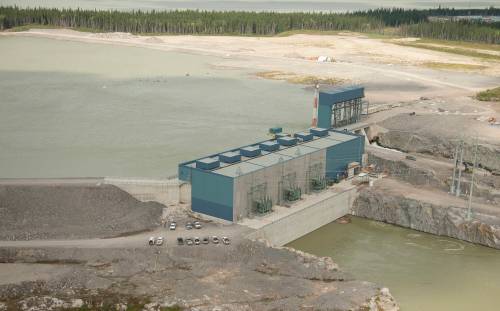
Manitoba Hydro’s energy plan set to be scrutinized
6 minute read Preview Monday, Jul. 27, 2026
‘Bright’ future: RCAF chief says spike in defence spending is boosting flight times
6 minute read Preview Monday, Aug. 17, 2026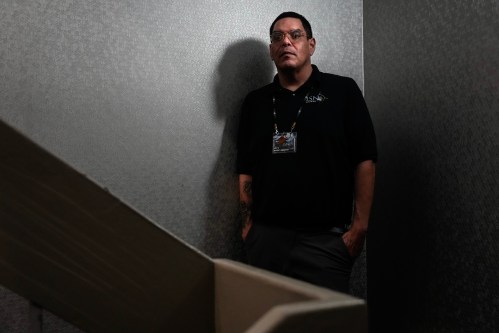
First Nation evacuees fleeing wildfire face safety risks in Toronto, leaders say
6 minute read Preview Thursday, Jul. 30, 2026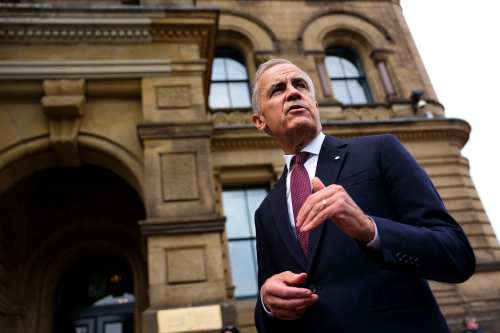
Carney says ‘everything’s on the table’ for tariff retaliation against United States
5 minute read Preview Monday, Aug. 10, 2026
Small business group says immigration cut makes it tough to hire workers
5 minute read Preview Thursday, Jul. 23, 2026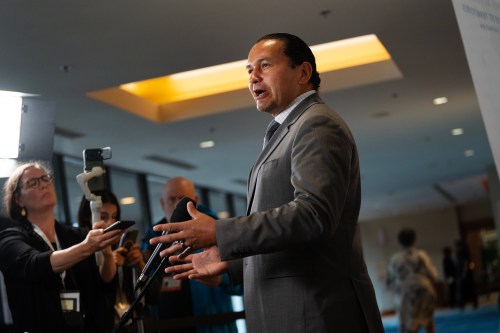
Manitoba Premier Kinew ‘willing to entertain’ Alberta to Ontario pipeline
3 minute read Preview Monday, Aug. 10, 2026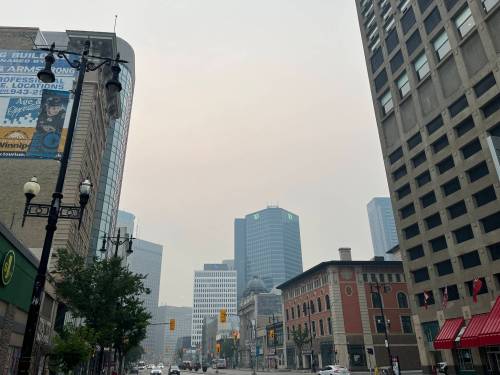
Climate change? It’s already here
5 minute read Preview Wednesday, Jul. 22, 2026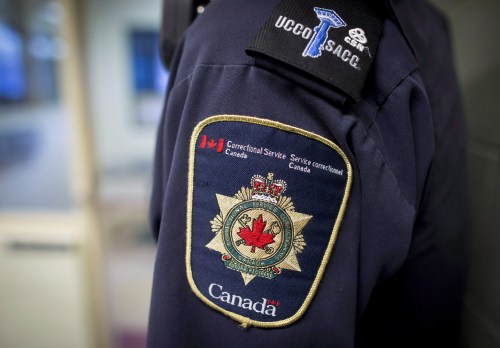
Court orders Alberta prison to take steps to protect inmates from extreme heat
3 minute read Preview Monday, Aug. 10, 2026Time to open our eyes about AI
5 minute read Monday, Jul. 20, 2026The word “Luddite” carries a particular connotation. Typically, it’s a term of mockery hurled at a person deemed technophobic, perhaps simply too stupid to appreciate modern technology. But the Luddites were a real group of people with an important place in history. And it isn’t fair they’ve become synonymous with ignorance.

Opposition brewing as data centre capacity is set to explode across Canada
8 minute read Preview Wednesday, Jul. 22, 2026
A whack-a-mole approach to a complex problem
4 minute read Preview Saturday, Jul. 18, 2026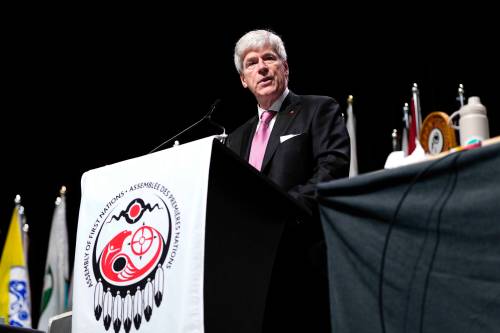
First Nations’ concerns overshadowed by talk of major projects
5 minute read Preview Friday, Jul. 17, 2026
Fire-ravaged First Nations community accuses Ottawa of denying it federal aid
8 minute read Preview Wednesday, Jul. 22, 2026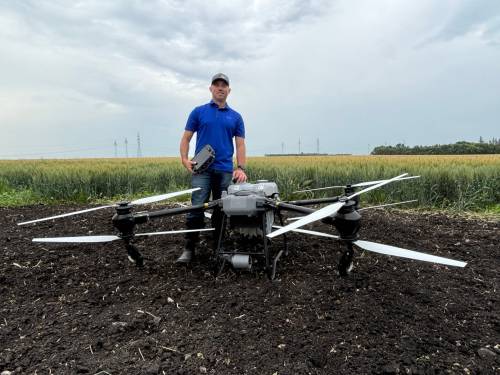
Ottawa invests $3.5M in EMILI growth
4 minute read Preview Wednesday, Jul. 15, 2026
Manitoba chiefs behind renewed effort to criminalize residential school denialism
4 minute read Preview Wednesday, Jul. 15, 2026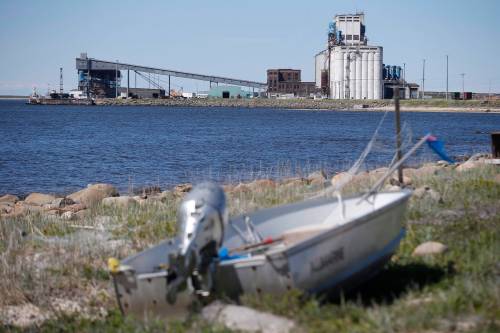
Grain latest Port of Churchill shipment
2 minute read Preview Wednesday, Jul. 15, 2026
Alberta First Nation sues Ottawa over $5 treaty annuity, argues amount stuck in 1899
2 minute read Preview Thursday, Aug. 6, 2026