
Power and Authority
Please review each article prior to use: grade-level applicability and curricular alignment might not be obvious from the headline alone.
On April 17, 1982, the Canadian Charter of Rights and Freedoms came into force, outlining the rights and freedoms that all Canadians are entitled to within our country.
As we consider the Charter as the anniversary passes for another year, we have an opportunity to be reminded that all of the rights outlined in the Charter apply to every Canadian citizen, including children and youth. After all, children are not citizens-in-waiting; they are already holders of rights. Children and youth are a particularly distinct group of citizens whose rights need to be safeguarded. This assertion is especially pertinent with the rise of the “parental rights” movement, which falsely positions the rights of parents over the rights of children. To be clear, the Charter does not give parents special rights over any other rights holder.
In fact, “parental rights” are not explicitly named in the Canadian Charter of Rights and Freedoms. The Charter does name fundamental freedoms (like freedom of conscience, religion and expression) and life, liberty and security of the person. These rights have been interpreted by courts to include a parent’s right to make decisions regarding the care and education of their children.
However, these rights have limits. The rights of parents need to be balanced against children’s rights and their best interests. Parental decision making is also subject to the government’s obligation to protect children and uphold their rights.
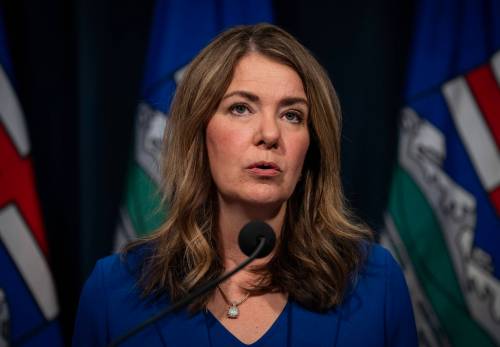
Where did political ethics go?
4 minute read Preview Thursday, Apr. 23, 2026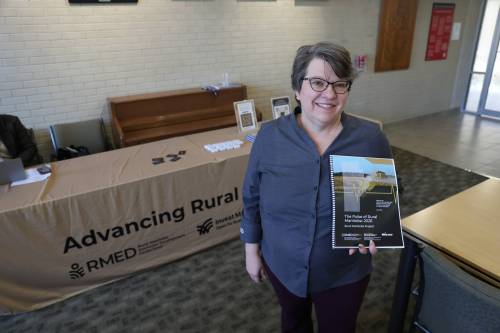
Report on state of rural Manitoba’s economy ‘exciting work’
4 minute read Preview Tuesday, Apr. 21, 2026The pitfalls of increased use of AI in policing
5 minute read Tuesday, Apr. 21, 2026As a part of its body-worn camera program, the RCMP recently completed a pilot project using artificial intelligence to draft reports. The AI-generated reports are created from audio captured from officers’ body cameras. A report can be drafted in mere seconds. The pilot, which ran for about six months and concluded in January, occurred across eight detachments in British Columbia generating nearly 800 reports.
Harnessing AI to write police reports is replete with some serious and unresolved concerns and must be immediately discontinued.
It isn’t even entirely clear why police need to use AI in the first place.
The primary justification for the expanding use of AI to generate police reports across law enforcement is to free police from the administrative burden of having to write reports in the first place. The idea is that officers could do more relevant police work, presumably patrol work.

After facing the death of its dominant newspaper, Pittsburgh’s media has a surprising turnaround
8 minute read Preview Saturday, Apr. 25, 2026
Rural communities team up to court doctors
4 minute read Preview Monday, Apr. 20, 2026
Gov. Gen. Mary Simon addresses United Nations forum on Indigenous rights
5 minute read Preview Sunday, May. 10, 2026
In praise of the deliberately slower lane
5 minute read Preview Monday, Apr. 20, 2026Small towns and temporary foreign workers
4 minute read Monday, Apr. 20, 2026On any given day in a small town, restaurants should be busy. Orders coming in. People being served. The steady rhythm of a place that’s part of the community.
Instead, more and more locations are running below capacity; not because customers aren’t there, but because there aren’t enough staff.
This is the reality in many rural and tourism communities across Canada.
Recently, Ottawa took a small but important step to begin to address it.

Real-life partners Brady Oliveira, Alex Blumberg join forces to save dogs in new docuseries
5 minute read Preview Monday, Apr. 20, 2026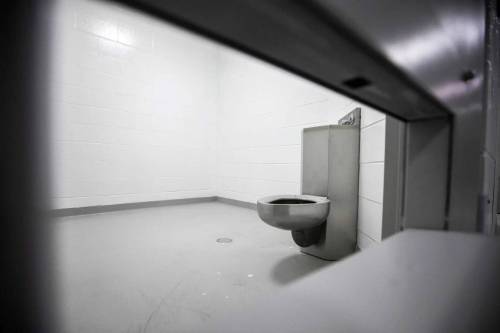
Former chief psychiatrist legally challenges Manitoba’s detox detention laws
3 minute read Preview Sunday, Apr. 19, 2026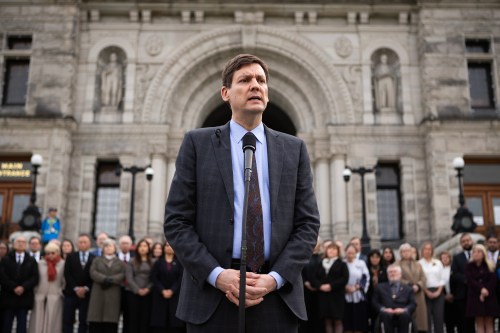
First Nations say Eby backs down again, now seeks joint path on B.C. Indigenous law
4 minute read Preview Thursday, May. 7, 2026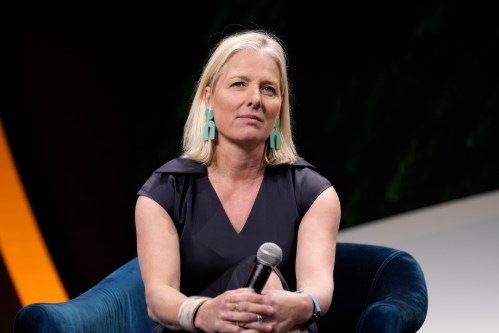
Former minister Catherine McKenna blasts the heads of Canadian oil companies
5 minute read Preview Monday, May. 11, 2026
Crossing the floor: crossing your voters?
5 minute read Preview Saturday, Apr. 18, 2026
Banff bison brought back from the brink of extinction
3 minute read Preview Saturday, Apr. 18, 2026
Manitoba puts up $4 million to protect Seal River watershed
4 minute read Preview Friday, Apr. 17, 2026
Phasing out of door-to-door mail delivery sinks in for Winnipeggers
5 minute read Preview Friday, Apr. 17, 2026
Wooden elevator reduced to rubble after towering over Austin for 75 years
6 minute read Preview Friday, Apr. 17, 2026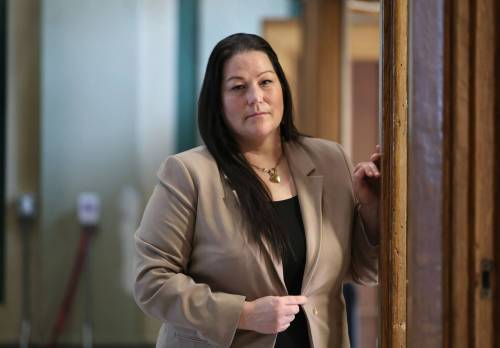
Supervised drug consumption site will be grounded in culture, compassion: facility’s leader
7 minute read Preview Friday, Apr. 17, 2026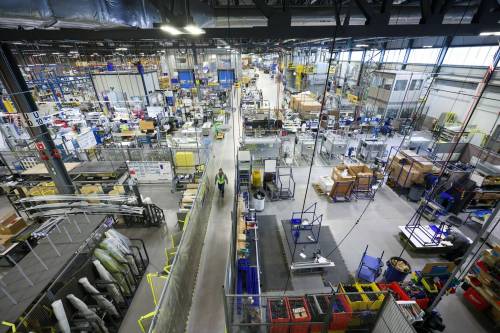
Boeing commits $36M for Winnipeg projects
4 minute read Preview Friday, Apr. 17, 2026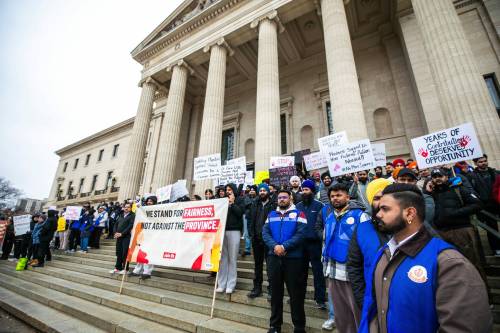
Dozens protest outside legislature over expiring federal work permits
2 minute read Preview Thursday, Apr. 16, 2026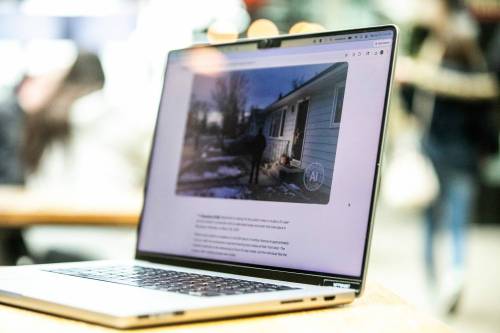
False information, misleading images rife in Manitoba-based AI-driven 'news' service
19 minute read Preview Friday, May. 1, 2026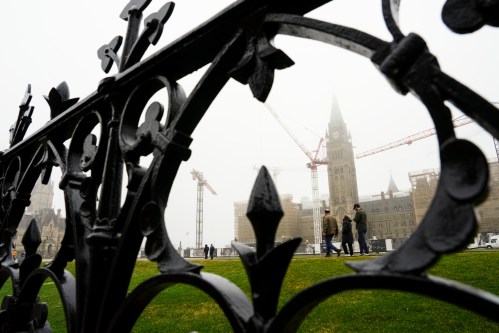
AI content should be labelled, heritage committee says
2 minute read Preview Saturday, May. 9, 2026