Education and caregiving
Please review each article prior to use: grade-level applicability and curricular alignment might not be obvious from the headline alone.

Province making up chaotic, inadequate child-care ‘plan’ as it goes along
5 minute read Preview Friday, Mar. 27, 2026
Advocate’s report calls for urgent reform of child-welfare system
5 minute read Preview Thursday, Mar. 26, 2026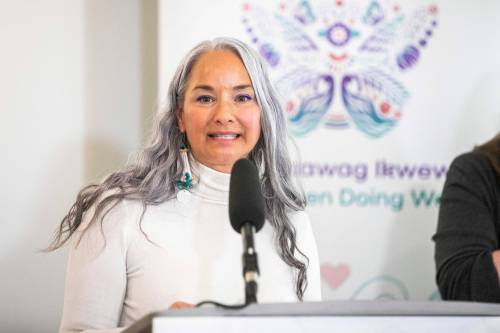
Province’s first Indigenous parenting event draws hundreds in person, online
4 minute read Preview Thursday, Mar. 26, 2026
NDP bolsters autism support amid families’ demands
4 minute read Preview Monday, Mar. 23, 2026
Provincial budget includes free transit passes for youths in Winnipeg, three other cities
6 minute read Preview Wednesday, Mar. 25, 2026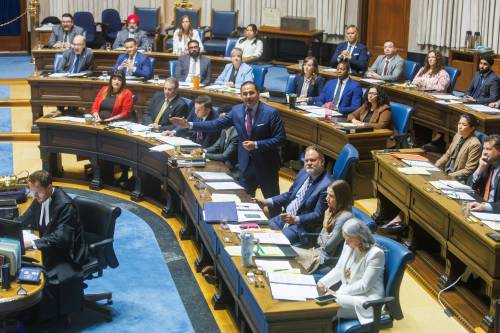
The autism strategy gap is already here
5 minute read Preview Monday, Mar. 23, 2026Education taxes not a ‘hot mess’
4 minute read Saturday, Mar. 21, 2026While I mostly agree with Dan Lett’s analysis (Councillors brace for impact when provincial education property tax hikes hit mailboxes, March 19), there are some significant reasons to challenge his statement about education funding being “a hot mess.”
As for the suburban councillors’ despondency, I find it hard to be sympathetic. My experience has been that most homeowners, even if they do not understand fully the purposes of all property taxes, do understand that some of them go to fund city services and some to the school division they live in. This has been made clear repeatedly by the separation of the taxes on the tax notices.
In my view, councillors should be pleased that some citizens might actually consider them an essential part the adequate funding of children’s education. The issue is not, as implied, lack of accountability or ownership — nothing is hidden and trustees are quite willing to take credit for their decisions. The councillors’ complaints seem more self-serving than conscientious leadership.
What is a hot mess is what the current government was left with at the end of the last Conservative era, akin to what they were left with after the previous one — the Conservatives would do well to rethink several aspects of their political strategies. Manitobans have repeatedly let them know that they are less concerned about tax savings than they are about support for public education.
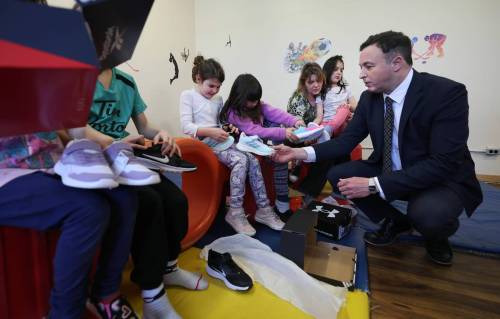
Finance minister’s budget preview focuses on little feet
3 minute read Preview Monday, Mar. 23, 2026
‘Give ourselves the means to achieve our ambitions’: province gets feedback on French plan
4 minute read Preview Friday, Mar. 20, 2026
Family says teen re-victimized by school’s lax response after reporting sexual assault
18 minute read Preview Monday, Mar. 23, 2026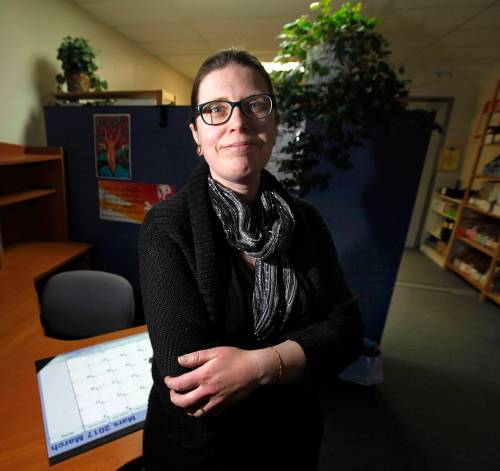
Proactive planning for a future with more seniors
3 minute read Preview Thursday, Mar. 19, 2026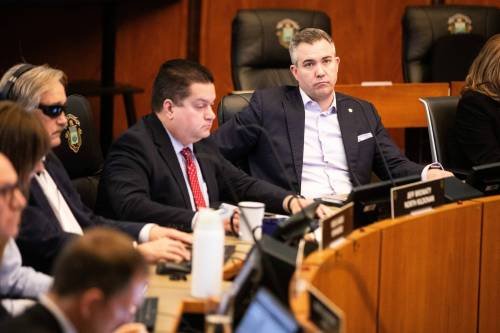
Councillors brace for impact when provincial education property tax hikes crash into Winnipeggers’ mailboxes
5 minute read Preview Wednesday, Mar. 18, 2026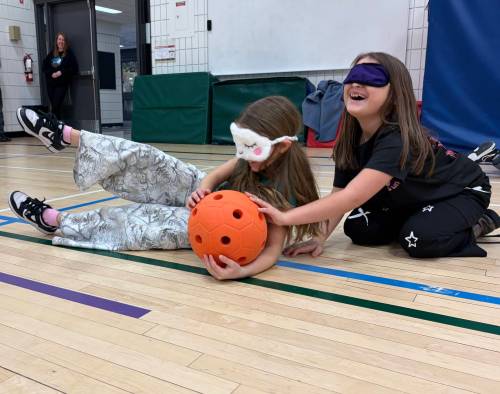
Accessible, inclusive sports giving elementary-age phys-ed students a lesson in empathy
3 minute read Preview Tuesday, Mar. 17, 2026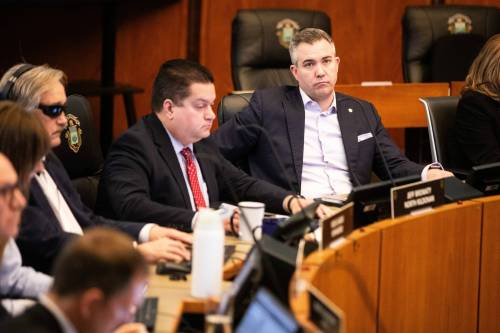
City councillors fear backlash over tax bills thanks to huge increases in education portion
6 minute read Preview Wednesday, Mar. 18, 2026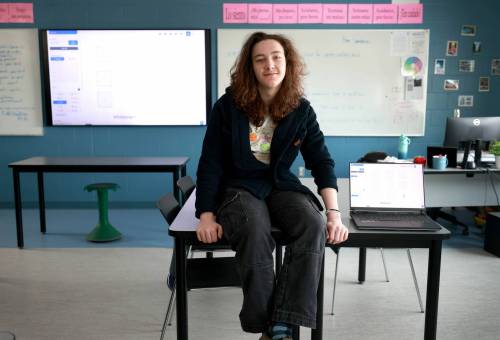
Instead of just sitting around, Winnipeg teen designs seating website for teachers
5 minute read Preview Monday, Mar. 16, 2026
Government data shows extent of truancy issue
4 minute read Preview Monday, Mar. 16, 2026
Senior squeeze: Many older Manitobans are in an increasingly precarious financial situation
14 minute read Preview Friday, Mar. 13, 2026
Non-profit to operate home for young moms in River Heights
3 minute read Preview Thursday, Mar. 12, 2026
15,000-plus students regularly skip school across Manitoba, leaked documents show
4 minute read Preview Thursday, Mar. 12, 2026Keeping books on library shelves
3 minute read Wednesday, Mar. 11, 2026I love children’s picture books: good books that connect kids to others who share their life experiences and that connect kids to people and places and times outside of their own experiences.
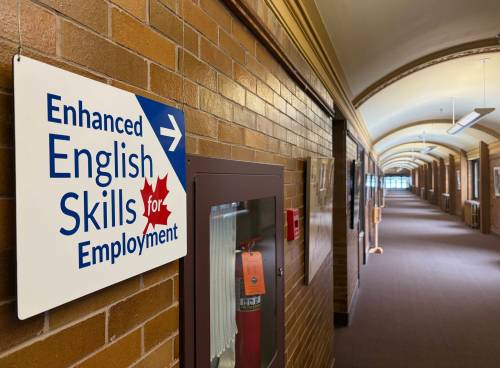
Newcomer school to close amid immigration clampdown
7 minute read Preview Monday, Mar. 9, 2026Religious diversity, perspectives being studied in Manitoba schools
5 minute read Saturday, Mar. 7, 2026In January, the provincial government announced a new resource for schools to address Islamophobia. Two years ago, it announced the creation of a new curriculum about the Holocaust.
Those are good things. They will help students know more about Islam and Judaism, and the challenges facing members of those groups. But I wondered: What resources are available to help students develop an even broader sense of religious literacy?
As it turns out, the province has an optional grade 12 course titled “World of Religions: A Canadian Perspective.” It’s designed to help students build interfaith and intercultural understanding as they explore the diversity of religions and religious perspectives within Manitoba and Canada.
That’s also good. Knowing more about other religions is important. But my next question was: How many schools are using it? The answer, it turns out, is not many.

Children’s book on Ramadan put back on school shelves
2 minute read Preview Friday, Mar. 6, 2026