
Technologies, Topics and Trends
Please review each article prior to use: grade-level applicability and curricular alignment might not be obvious from the headline alone.

Green light for Greenlight: Pembina, partners go ahead with gas plant for data centre
4 minute read Preview Friday, Jul. 3, 2026
Shipping rates soar as retailers race to beat looming Trump tariffs
4 minute read Preview Friday, Jul. 3, 2026Waywayseecappo First Nation sets sights on building battery energy storage systems, renewable projects via new venture
5 minute read Thursday, Jul. 2, 2026A Manitoba First Nation and former national chief are throwing their weight behind new-to-Manitoba energy storage methods amid projections of squeezed energy availability.
The province doesn’t have any utility scale battery energy storage systems. Through these, electricity is kept in electrochemical batteries until needed.
Volterra Technology creates the battery technology. It’s part of a new venture: Waywayseecappo Energy Alliance.
Other members include Waywayseecappo First Nation and Ishkonigan Inc., a consulting company founded by former Assembly of First Nations national chief Phil Fontaine. (Fontaine is a member of Sagkeeng First Nation in Manitoba.)
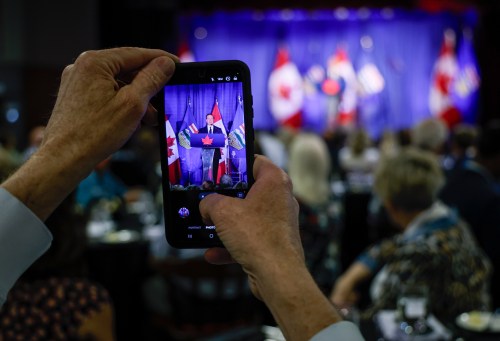
Do online influencer posts count as news? Younger Canadians more likely to say yes
4 minute read Preview Thursday, Jul. 30, 2026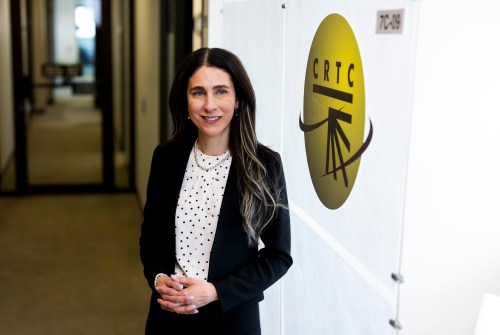
CRTC launches review into whether Big Three violated new ban on administrative fees
4 minute read Preview Thursday, Jul. 2, 2026Artificial intelligence requires human-led thinking
4 minute read Tuesday, Jun. 30, 2026Picture this. A teacher creates an assignment using AI. There is a provocation generated by a prompt, followed by vague parameters and a generic rubric. The AI-generated emojis are left in, and the task and success criteria are not connected to the passion, interests or soul of the child.
Subsequently, the child responds using AI. The thinking and language are clearly not their own and there has been no transformative or profound educative experience to stir cognitive dissonance. The child has not been asked, or better yet invited, to engage in sophisticated thinking and work that matters to them. That matters to community.
When the child uses AI, it’s considered “cheating.”
So here we are. An opportunity lost because we are not thinking deeply about the impact of AI on our species.
WhatsApp will allow users to go by usernames instead of phone numbers, closing a privacy blind spot
2 minute read Tuesday, Jul. 21, 2026LONDON (AP) — WhatsApp users will soon get the option of going by usernames instead of phone numbers, the company said Monday, announcing plans to address a privacy blind spot.
The app said it has started allowing users to reserve unique usernames, which can be used to contact WhatsApp users when the feature is launched later this year.
WhatsApp, which says it has more than 3 billion users globally, has until now allowed users to be contacted by anyone who has their phone number.
The app, owned by Meta Platforms, said in a blog post that over the “coming months” users will get the option to be found and contacted only by their username, and not their number. It wasn't more specific about the timeline.
OpenAI and Anthropic limit new AI models to Trump-approved customers during cybersecurity review
6 minute read Preview Saturday, Jun. 27, 2026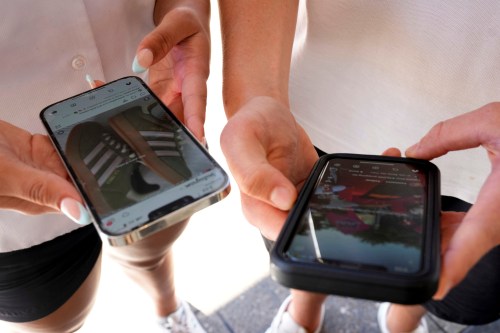
Most Canadian teens have seen violence, gore online: survey
4 minute read Preview Tuesday, Jul. 21, 2026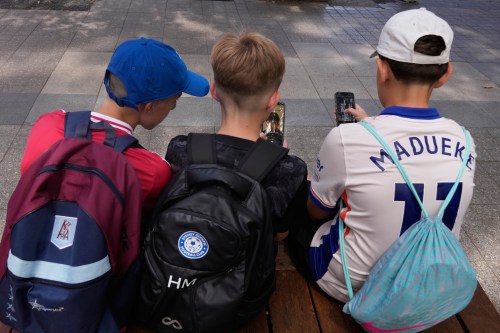
Australia plans to strengthen laws banning children from social media
3 minute read Preview Saturday, Jun. 27, 2026
Winnipeg co-ops among models examined in film
5 minute read Preview Friday, Jun. 26, 2026
Heat catches Europe’s fashion industry unprepared as models face the sun in fur and wool
6 minute read Preview Sunday, Jun. 28, 2026
Greece bets on space technology to contain wildfires in a global first
5 minute read Preview Sunday, Jun. 28, 2026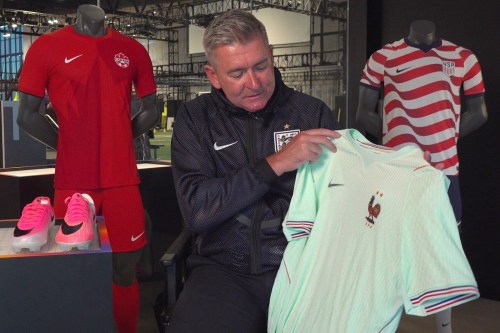
National pride meets breathable mesh: A look at the design of World Cup uniforms
5 minute read Preview Sunday, Jun. 28, 2026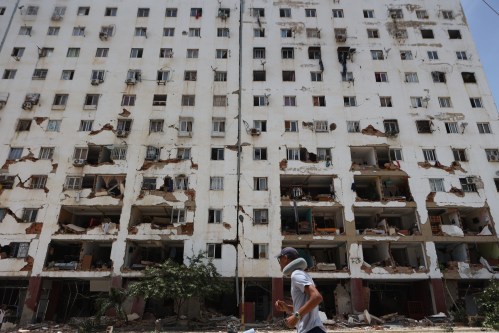
What to know about earthquake early warning systems
6 minute read Preview Thursday, Jun. 25, 2026
Data centres top Ottawa’s big power requests, placing pressure on local utility
2 minute read Preview Thursday, Jun. 25, 2026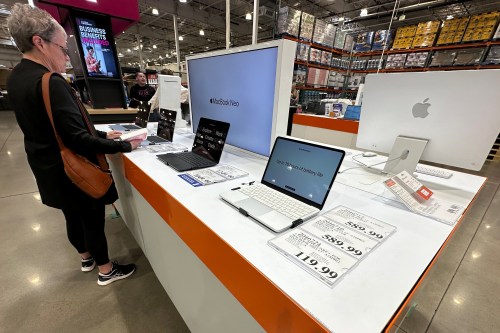
Apple increases prices for Macs and iPads, blaming a shortage of memory chips
2 minute read Preview Thursday, Jun. 25, 2026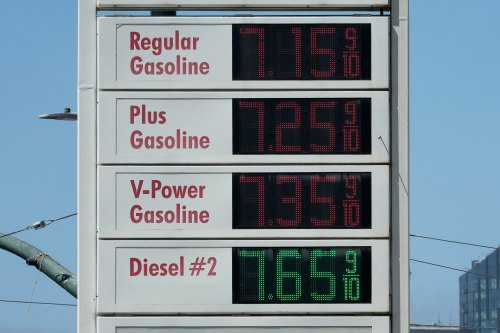
AI is helping gas stations collude to raise California fuel prices, lawsuit says
3 minute read Preview Wednesday, Jun. 24, 2026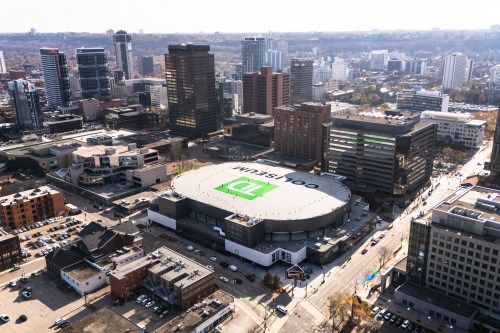
Hamilton data centre pause survives first council vote, exemption rejected
3 minute read Preview Wednesday, Jun. 24, 2026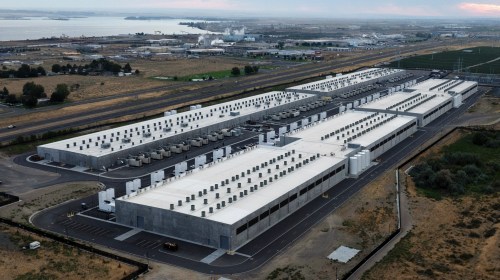
AI is an energy and water hog, here’s what you can do to counter that
7 minute read Preview Tuesday, Jul. 21, 2026
Parlour Coffee closes, clearing way for Passage
5 minute read Preview Wednesday, Jun. 24, 2026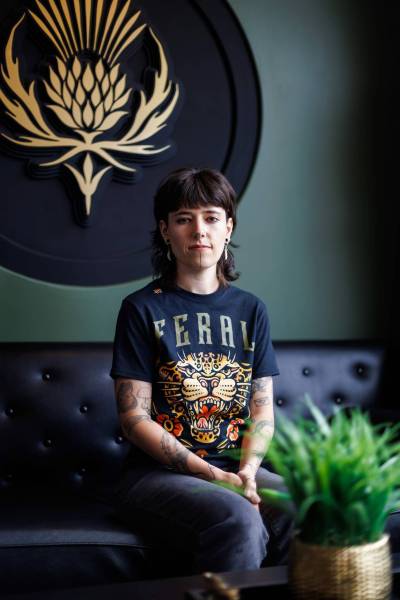
Tattoo artists beset by requests for unworkable AI pieces
5 minute read Preview Wednesday, Jun. 24, 2026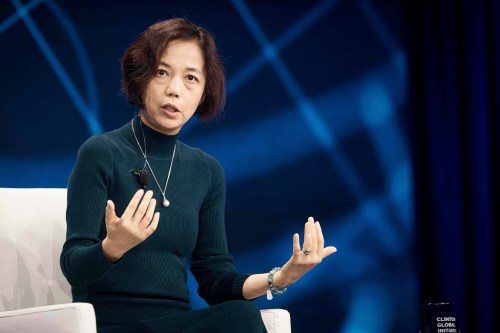
Top developers are pivoting from chatbots to physical AI
6 minute read Preview Tuesday, Jul. 21, 2026Chinese supercomputer displaces US machines as world’s fastest for first time since 2017
2 minute read Tuesday, Jun. 23, 2026A supercomputer in China now outranks its U.S. counterparts as the world’s most powerful, marking the first time since 2017 that a Chinese computer has topped a list sometimes viewed as a measure of a nation's technological prowess.
The LineShine computer in Shenzhen, China, displaced top-ranked U.S. computer El Capitan in the latest version of the TOP500 ranking announced Tuesday. It was the Chinese computer's debut on the list.
Scientists behind the TOP500 project said the LineShine computer at China’s National Supercomputing Center achieved 2.198 exaflops, meaning it can perform more than 2 quintillion calculations per second.
El Capitan, at the U.S. government’s Lawrence Livermore National Laboratory in California, now ranks second, ahead of two other U.S. supercomputers at national laboratories in Tennessee and Illinois. Dropping to fifth place is the Jupiter supercomputer in Germany. The five are the only publicly verified exascale computers in the world.