Technologies, Topics and Trends
Please review each article prior to use: grade-level applicability and curricular alignment might not be obvious from the headline alone.

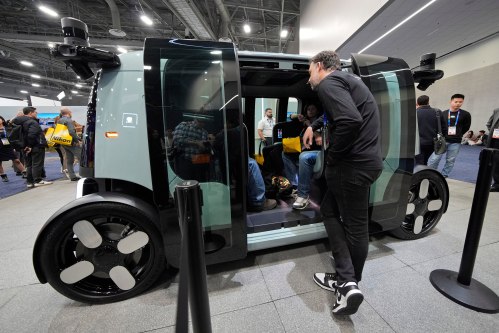
California tech company sees Manitoba as strategic gateway to dairy market
4 minute read Preview Thursday, Aug. 6, 2026
Court orders Instagram and Facebook’s Meta to pay $567M to address kids’ mental health online
5 minute read Preview Saturday, Aug. 29, 2026
Environment Canada upgrade expected to improve dangerous weather warnings after June storm alert barrage
6 minute read Preview Thursday, Aug. 6, 2026
U of M researchers studying ‘digital legacy planning’ before death
6 minute read Preview Wednesday, Aug. 5, 2026
Scientists are certain a wayward SpaceX rocket slammed into the moon as predicted
5 minute read Preview Saturday, Aug. 29, 2026
Shopify’s AI tools triple traffic, lift Q2 profits and revenue
3 minute read Preview Saturday, Aug. 29, 2026
Even AI has to watch its diet
4 minute read Preview Wednesday, Aug. 5, 2026Getting energy another way
4 minute read Wednesday, Aug. 5, 2026As Manitoba’s Public Utilities Board analyzes Manitoba Hydro’s Integrated Resource Plan, three points are apparent.
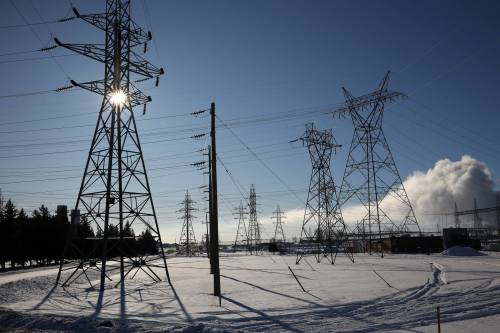
Manitoba Hydro’s $3 billion fossil fuel bet
5 minute read Preview Wednesday, Aug. 5, 2026
Ottawa moves to list Alberta-backed West Coast pipeline as national interest project
4 minute read Preview Wednesday, Aug. 5, 2026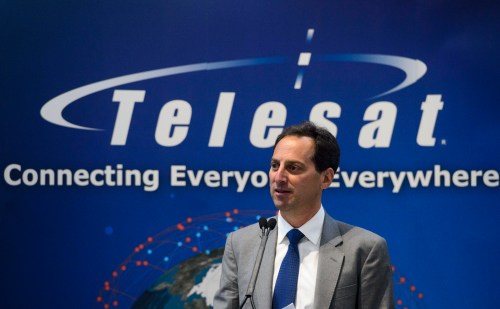
Ottawa awards Telesat $2.3B Arctic military satellite contract
4 minute read Preview Saturday, Aug. 29, 2026
Years after the pandemic, MPs are divided on hybrid Parliament rules
6 minute read Preview Wednesday, Aug. 5, 2026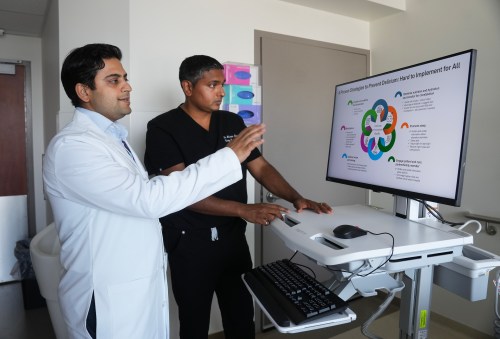
Delirium is often missed by health providers. Could an AI risk predictor help?
6 minute read Preview Monday, Aug. 10, 2026Authors fall prey to scam artists and fraudsters
5 minute read Tuesday, Aug. 4, 2026Today’s AI promotion scams aimed at authors attempt to exploit their human vulnerabilities.

Helium demand balloons as Mideast supplies deflate: Can Canada meet the moment?
6 minute read Preview Tuesday, Aug. 25, 2026
Climate change threatens events we wait for all year
5 minute read Preview Saturday, Aug. 1, 2026Thinking is competitive advantage
4 minute read Saturday, Aug. 1, 2026Artificial Intelligence is set to become one of the greatest productivity tools businesses have ever seen. Ironically, its greatest value comes from rewarding the people who think the best rather than those who simply use it the most.
Every credible AI expert reinforces AI is just another tool. When used properly, it is potentially very powerful and can provide some excellent value — but it is not a holistic solution to every problem your business faces. As AI becomes more efficient, it creates more time for humans to think more deeply and become more capable.
You must maintain the “human in the loop.” Unless thinking and guidance are properly connected, a business can never achieve necessary alignment.
In other words, does the AI tool do what you need it to — or meant it to — in your organization? You will only know if you set an objective, test the tool, review the results and compare them with what you intended to achieve.

Giant Tiger decision creates giant void for desperate population
5 minute read Preview Friday, Jul. 31, 2026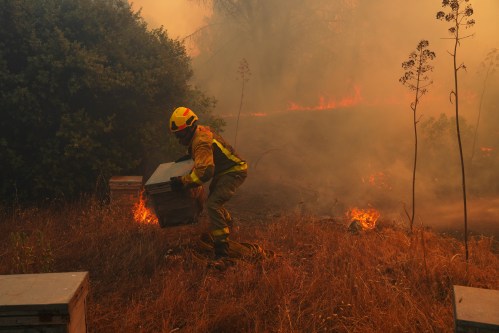
UN, scientists warn that strong El Nino will add fuel to ‘a planet already on fire’
5 minute read Preview Saturday, Aug. 22, 2026
Alberta lets the dogs out, recruits more canine muscle in fight against mussels
3 minute read Preview Saturday, Aug. 22, 2026
Government wants public input on use of AI
5 minute read Preview Friday, Jul. 31, 2026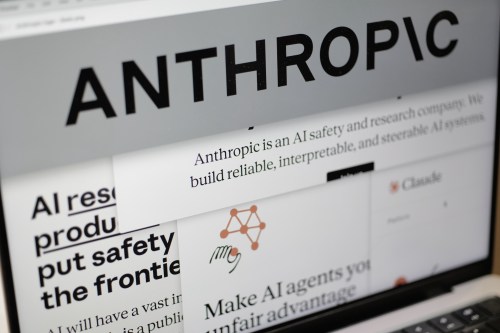
Anthropic says its AI models hacked 3 organizations during testing
3 minute read Preview Sunday, Aug. 2, 2026
Major oil companies reap massive profits as US and Iran fighting drives energy prices higher
7 minute read Preview Sunday, Aug. 2, 2026