Global Issues
Please review each article prior to use: grade-level applicability and curricular alignment might not be obvious from the headline alone.

Social media companies face legal reckoning over mental health harms to children
8 minute read Preview Wednesday, Feb. 25, 2026North at risk from ‘old battles,’ federal spending priorities, Axworthy says
5 minute read Thursday, Feb. 19, 2026Canada risks falling into a pattern of fighting “old battles” in the North — while ramping up defence spending — as it cuts funding to handle wildfires and internal migration, former federal minister Lloyd Axworthy warns.
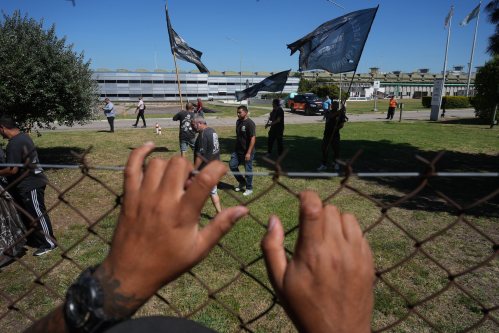
Milei’s overhaul of Argentina labor law advances in Congress as unions strike in protest
5 minute read Preview Saturday, Feb. 21, 2026What to know as Iran and US meet for new nuclear talks as Americans deploy forces in Mideast
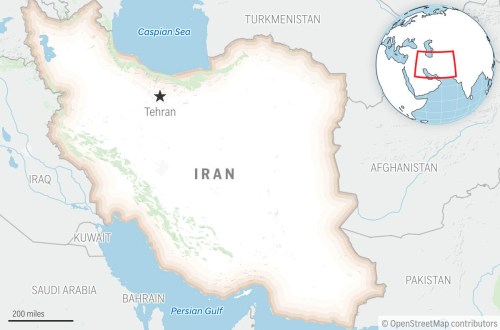
7 minute read Thursday, Feb. 26, 2026DUBAI, United Arab Emirates (AP) — Iran and the United States were holding indirect negotiations Thursday in Geneva as talks over Tehran's nuclear program hang in the balance following Israel's 12-day war on the country in June and the Islamic Republic carrying out a bloody crackdown on nationwide protests.
U.S. President Donald Trump has kept up pressure on Iran, moving an aircraft carrier and other military assets to the Persian Gulf and suggesting the U.S. could attack Iran over the killing of peaceful demonstrators or if Tehran launches mass executions over the protests. A second aircraft carrier now is in the Mediterranean Sea.
Trump has pushed Iran's nuclear program back into the frame as well after the June war disrupted five rounds of talks held in Rome and Muscat, Oman, last year. Two rounds of talks so far have yet to reach a deal, though.
Mideast nations fear a collapse in diplomacy could spark a new regional war. U.S. concerns also have gone beyond Iran's nuclear program to its ballistic missiles, support for proxy networks across the region and other issues.
Trump warns of ‘bad things’ if Iran doesn’t make a deal, as second US carrier nears Mideast
7 minute read Preview Saturday, Feb. 21, 2026
New report says youth should help guide Ottawa’s campaign against online exploitation
3 minute read Preview Thursday, Mar. 12, 2026
With new American pressure, will Cuba fall?
5 minute read Preview Wednesday, Feb. 18, 2026
Homelessness a humanitarian crisis, Rattray says
7 minute read Preview Tuesday, Feb. 17, 2026
Food inflation spiked 7.3% in January. Here’s what’s driving the increase
6 minute read Preview Wednesday, Feb. 18, 2026
Advocate urges feds to update equity act, settle class action with Black employees
4 minute read Preview Tuesday, Mar. 10, 2026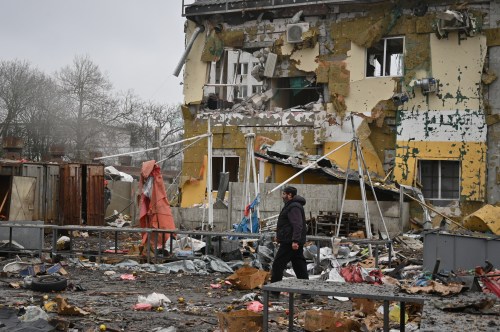
Ukrainian emergency visa holders expected to return after war: immigration department
5 minute read Preview Tuesday, Mar. 10, 2026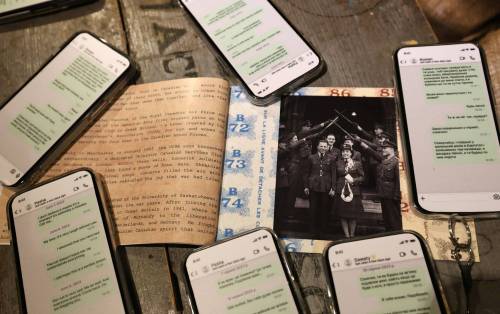
Modern, historic letters showcase love in dangerous times
4 minute read Preview Saturday, Feb. 14, 2026
Province warns of measles exposure at Jets game as cases surge
3 minute read Preview Friday, Feb. 13, 2026
More Canadian athletes powered by artificial intelligence at Winter Games
5 minute read Preview Wednesday, Mar. 11, 2026AI a potent wedge issue in U.S. midterms
5 minute read Friday, Feb. 13, 2026Americans head to the polls again in November with no shortage of issues at stake. The White House’s weaponization of tariffs, immigration crackdown, government purges and foreign adventurism have roiled the nation. But calls to rein in artificial intelligence (AI) may ultimately gain the most traction for candidates.
The Trump administration’s AI Action Plan, released last summer, promises to assert U.S. technological dominance at breakneck speed. The strategy vows Washington will dismantle barriers to data centre construction, eliminate a raft of “woke” safety measures and lean on other nations to buy American tech.
Silicon Valley evangelists have fully bought in. Amazon, Meta, Google and Microsoft alone have announced US$650 billion in AI-related spending for 2026. That eclipses the GDP of countries such as Israel or Norway. It also doesn’t factor in other venture capital investments elsewhere, or outlays from OpenAI, Anthropic or the Elon Musk-owned xAI.
A market strategist told the Wall Street Journal last month that the U.S. could plausibly be in a recession if it weren’t for AI investments. Although this isn’t necessarily a good thing. America’s economic growth “has become so dependent on AI-related investment and wealth,” the paper reported,” that if the boom turns to bust, it could take the broader economy with it.”
Progress on improving addictions help lagging: auditor general
4 minute read Thursday, Feb. 12, 2026The province has acted on only 20 per cent of the recommendations made three years ago on how to improve access to addictions services, says a report released by Manitoba’s auditor general Thursday.
Tyson Shtykalo had issued 15 recommendations to the government and Shared Health in 2023 to help Manitobans get the addictions help when they need it. His progress report said that as of Sept. 30, 2025, just three of the 15 recommendations had been acted upon while 12 remain a “work in progress.”
“‘Work in progress’ is not an acceptable response when Manitobans are dying due to the addictions crisis,” said Jason Linklater, president of the Manitoba Association of Health Care Professionals. It represents more than 100 addictions workers, counsellors, clinicians and others who provide care, treatment and support for Manitobans living with addictions.
“Significant barriers to access have not been addressed,” Linklater said in a statement Thursday.

Province to power up smart thermostat program, rebates
5 minute read Preview Thursday, Feb. 12, 2026
What to know about EPA decision to revoke a scientific finding that helped fight climate change
3 minute read Preview Friday, Mar. 6, 2026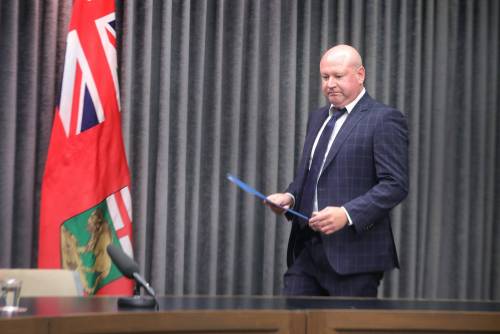
Get vaccinated for flu, COVID-19, measles to protect crowded hospitals: top doc
4 minute read Preview Friday, Feb. 13, 2026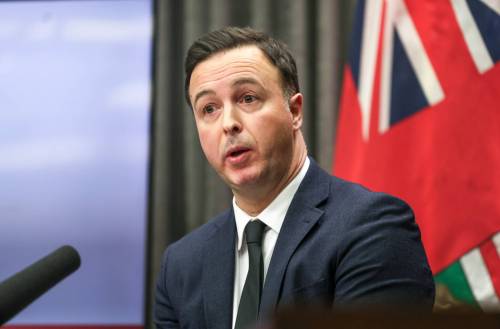
Manitoba to study food prices
5 minute read Preview Wednesday, Feb. 11, 2026
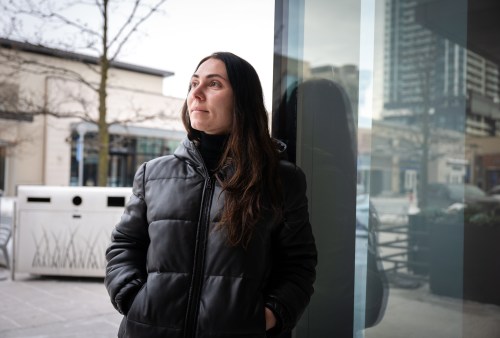
A mother recounts her dangerous journey across the border to escape Trump’s America
6 minute read Preview Wednesday, Mar. 4, 2026
Vote to crack down on ‘nuisance’ protests set for city council
5 minute read Preview Tuesday, Feb. 10, 2026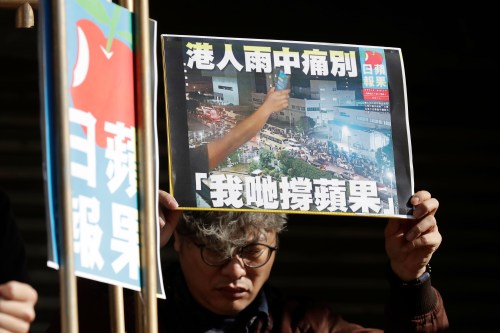
Plight of imprisoned Hong Kong ex-publisher Jimmy Lai evokes grief over loss of press freedoms
1 minute read Preview Tuesday, Mar. 3, 2026