Practical Science
Please review each article prior to use: grade-level applicability and curricular alignment might not be obvious from the headline alone.
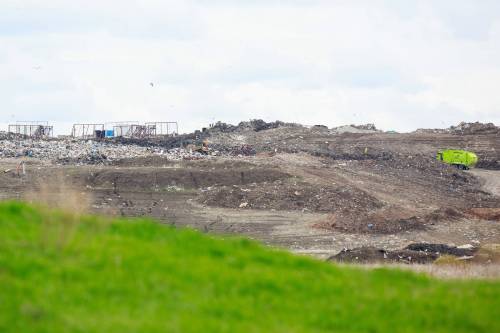
City’s landfill gas project hasn’t gained any steam after four years
5 minute read Preview Monday, Aug. 24, 2026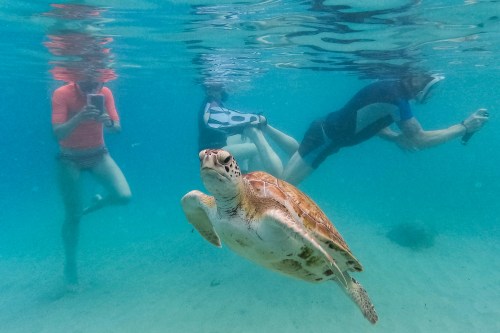
Earth is simmering in its hottest water temps on record, and that’s bad for fish and us
5 minute read Preview Tuesday, Sep. 15, 2026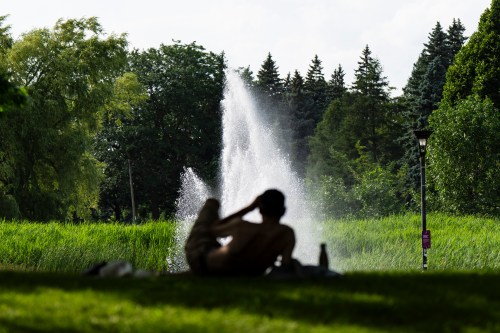
Quebecers support a right to cooling during heat waves, poll finds
4 minute read Preview Tuesday, Sep. 15, 2026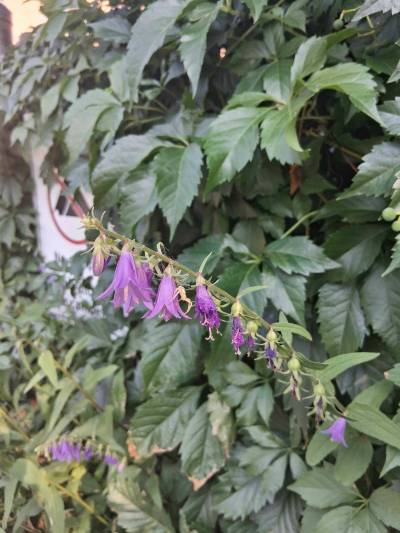
Pretty, purple and pernicious plants plaguing Prairies
3 minute read Preview Monday, Aug. 24, 2026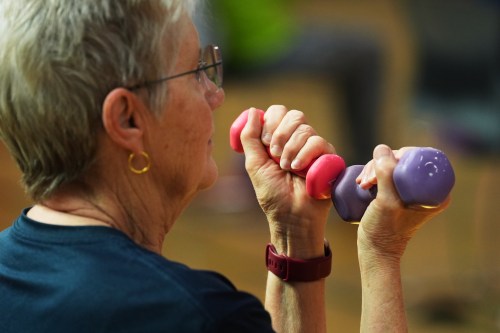
Mobility tests can tell doctors a lot about how you’re aging, but there are many other factors
5 minute read Preview Tuesday, Aug. 25, 2026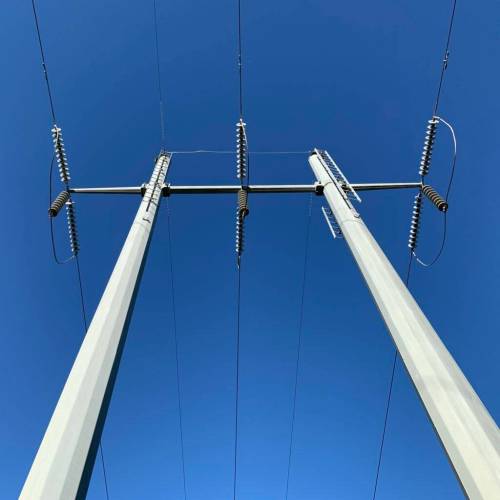
Time for a stronger all-Canadian grid
4 minute read Preview Friday, Aug. 21, 2026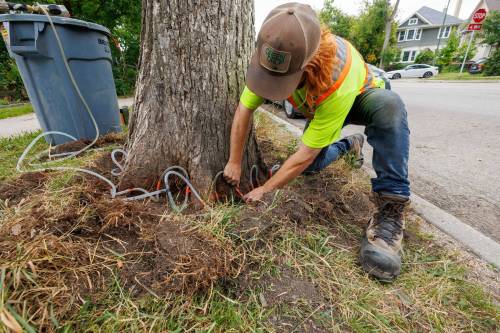
Wolseley residents put down roots to save elms
5 minute read Preview Thursday, Aug. 20, 2026
Mole Mobile on move for your dermatological needs
4 minute read Preview Thursday, Aug. 20, 2026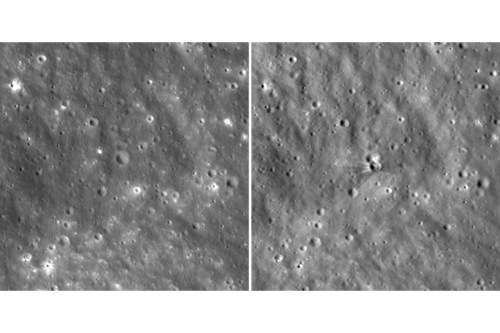
Before-and-after NASA images show crater carved by a SpaceX rocket that slammed into the moon
2 minute read Preview Wednesday, Aug. 19, 2026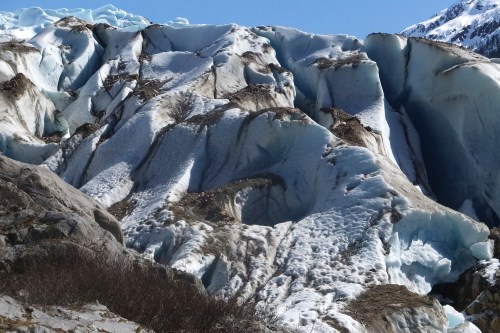
Trump administration moves ahead to end roadless rule on national forests
4 minute read Preview Wednesday, Aug. 19, 2026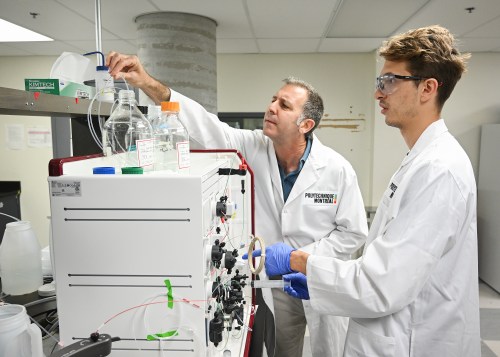
Inside the Montreal lab working to prepare Canada against future pandemics
6 minute read Preview Tuesday, Sep. 8, 2026
Manitoba family finalist for cattle producers environmental award
4 minute read Preview Saturday, Aug. 15, 2026
An elegy for the smalls
5 minute read Preview Saturday, Aug. 15, 2026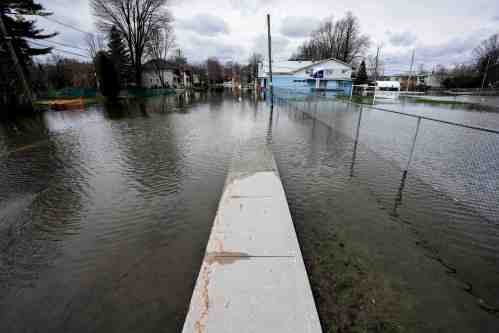
Feds reports progress on climate adaptation but climate groups say it isn’t enough
6 minute read Preview Saturday, Aug. 15, 2026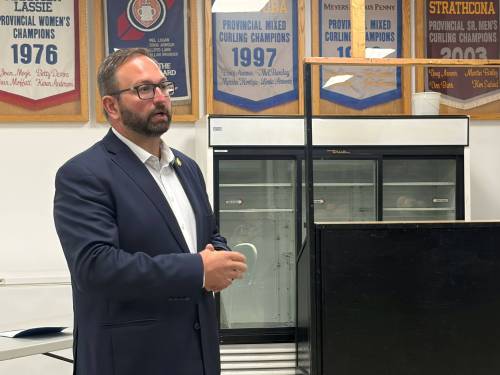
PCs say Hutterite colonies singled out by Bill 21
4 minute read Preview Friday, Aug. 14, 2026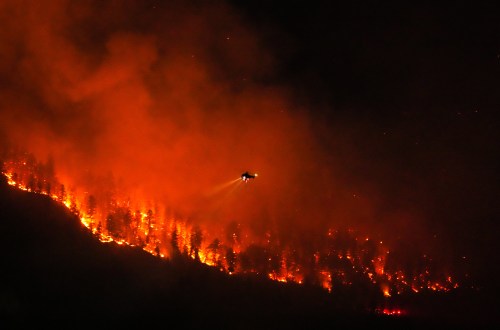
Fact File: Experts douse viral claim that wildfires caused by ‘weather manipulation’
5 minute read Preview Saturday, Sep. 5, 2026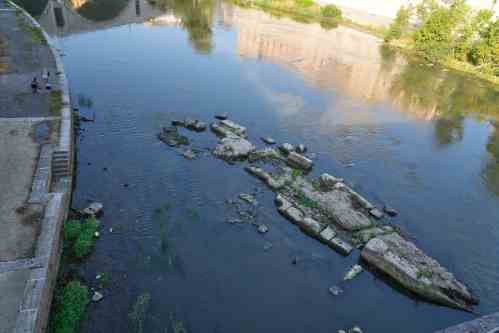
Nero’s Bridge emerges from Tiber River as Rome faces water crisis
2 minute read Preview Saturday, Sep. 5, 2026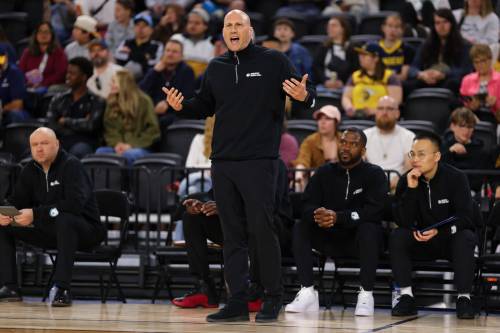
Unsafe conditions force Sea Bears, Honey Badgers into winner-take-all CEBL final in Winnipeg Saturday
5 minute read Preview Thursday, Aug. 13, 2026
Libau man warns Manitobans after contracting West Nile Virus
3 minute read Preview Wednesday, Aug. 12, 2026
Federal government invests $24 million for cannabis and brain health research
2 minute read Preview Thursday, Aug. 13, 2026‘Artificial intelligence’ based on large language models is shaping up to be the most efficient destroyer of value since the South Sea Bubble. After “the Crash”, which is inevitably coming, some specific functions of AI will eventually turn out to be genuinely revenue-generating, and a lot of jobs will duly disappear. But the biggest winner (and potentially biggest loser) is medical science.
Dr. Brian Hie, a chemical engineer at Stanford University in California, has just revealed that his team has made the first viruses designed by artificial intelligence. They are ‘bacteriophages’, viruses that only infect bacteria and are widely used to treat people with infections that resist other treatments.
However, natural bacteriophages sometimes fail, so Dr. Hie used generative AI to design new ones that might do the job. The AI generated thousands of designs for new genomes that more or less fit the bill, and he chose around 300 of them to build in the lab. It’s hard work, not magic, but he ended up with 16 ‘novel’ bacteriophages that might work.
He applied them to petri dishes containing two harmful strains of E. coli, a common bacteria that lives in the human gut, and they killed the bacteria off. It’s still early days, but if it is truly becoming possible to tailor-make bacteriophages that target specific bacteria, then we may be getting a major new weapon in the struggle against antibiotic resistance.

Missing pet tortoise found at Oak Hammock Marsh
3 minute read Preview Tuesday, Aug. 11, 2026
Mouth-to-mouth resuscitation saves otter pup found strangled by fishing net in B.C.
4 minute read Preview Friday, Aug. 14, 2026