Social Studies Grade 12
Please review each article prior to use: grade-level applicability and curricular alignment might not be obvious from the headline alone.
Severe weather preparedness not one-time exercise for businesses
2 minute read Monday, Sep. 21, 2026BRANDON — Local business owners should prepare for the possibility that severe weather could disrupt their operations — even when their facilities escape major damage, a climate resilience expert told the Brandon Chamber of Commerce last week.
Emilia Cameron of the Institute for Catastrophic Loss Reduction told attendees at a September luncheon the recent flooding and heavy rainfall across southern Manitoba affected several businesses.
“Businesses need to prepare not just for direct damages to buildings, but for wide disruptions that can prevent them from operating,” she said. “Road closures, power outages, damaged infrastructure, internet failures and employees being unable to reach work can all bring operations to a standstill.”
Supply chains can also be affected when suppliers cannot reach their customers, she said.

Canada, France pledge to work together on space infrastructure, economy
5 minute read Preview Monday, Sep. 21, 2026
Winnipeg, source d’inspiration pour la philanthropie canadienne
7 minute read Preview Saturday, Sep. 19, 2026
Permanent exhibition at human rights museum looks at Black experience in Canada
4 minute read Preview Sunday, Sep. 20, 2026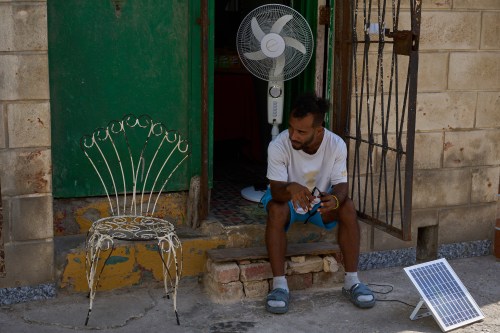
Cuba hit with another blackout as millions across the island are left without electricity
3 minute read Preview Wednesday, Sep. 23, 2026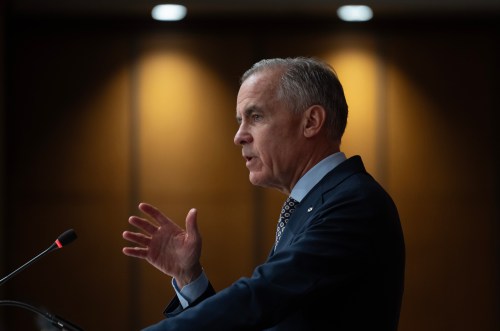
Carney set to attend the United Nations General Assembly in New York next week
4 minute read Preview Saturday, Sep. 19, 2026
Northern First Nation calls for voluntary ban of moose hunting as numbers dwindle
5 minute read Preview Friday, Sep. 18, 2026
AFN invites premiers, Carney to ceremony ahead of October meeting
3 minute read Preview Saturday, Sep. 19, 2026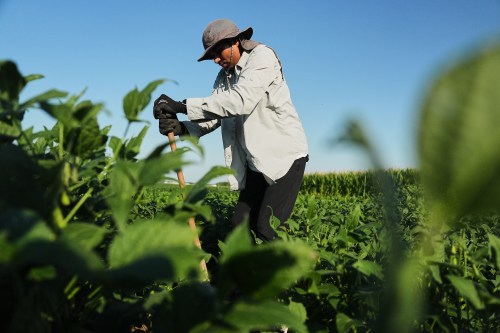
Scientists hope deeper-rooted soybeans can withstand climate extremes and store more carbon
6 minute read Preview Tuesday, Sep. 22, 2026Building Northern Manitoba right
4 minute read Friday, Sep. 18, 2026I had the pleasure of attending the recent celebrations welcoming grain shipments back to the Port of Churchill, alongside business leaders, port workers, community members and government partners. We find ourselves at an important and pivotal moment and there is a lot of optimism about Northern Manitoba.
Whether it’s the Port of Churchill Plus, all-weather roads and trade corridors, new mines and exploration, a transmission line to Nunavut or billions going into modernizing our hydro-electric systems, one thing is clear: Northern Manitoba needs to be prepared for a potential boom in development.
Now more than ever, Canada and Manitoba have to get this right.
Prime Minister Carney and Canada’s premiers have met with some of the world’s largest investors to discuss nation-building projects that will shape our country’s future.

Fiddling and a jig mark ceremony to rename Wolseley-area school
4 minute read Preview Friday, Sep. 18, 2026
Manitobans mostly optimistic about time change
4 minute read Preview Thursday, Sep. 17, 2026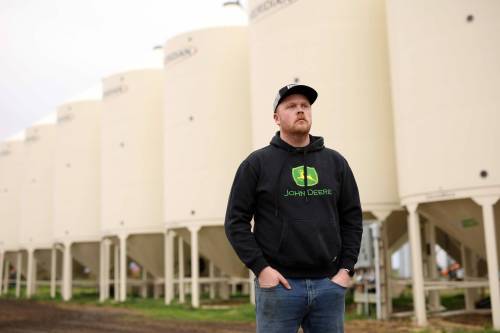
Rain causing poor harvest conditions for farmers
5 minute read Preview Thursday, Sep. 17, 2026
A community brought the Trident Press home
6 minute read Preview Thursday, Sep. 17, 2026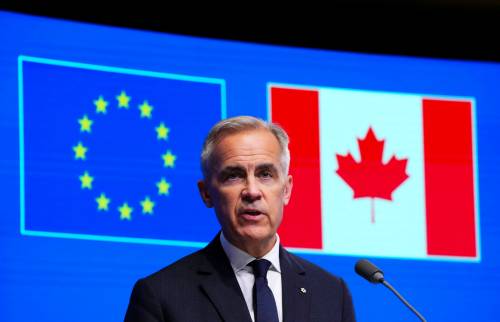
A distant island and a European border
4 minute read Preview Thursday, Sep. 17, 2026
Opaskwayak Cree Nation tabs up to $20 million to get into aerospace, defence manufacturing
4 minute read Preview Wednesday, Sep. 16, 2026
Gillingham pledges police, firefighter staffing increases to serve growing population
5 minute read Preview Wednesday, Sep. 16, 2026
Online fundraiser for ‘polite, modest farmer’ facing firearms charges sending message, neighbour says
4 minute read Preview Wednesday, Sep. 16, 2026
Canada seeks full membership in U.K.-led military coalition
4 minute read Preview Thursday, Sep. 17, 2026
If Alberta leaves Canada, it will need up to $170B and 70,000 civil servants: report
7 minute read Preview Sunday, Oct. 11, 2026
Anglophones hail Quebec ruling ordering elections agency to send bilingual documents
5 minute read Preview Friday, Sep. 18, 2026
EU chief Ursula von der Leyen says she wants Canada to become the bloc’s 1st associate member
7 minute read Preview Thursday, Sep. 17, 2026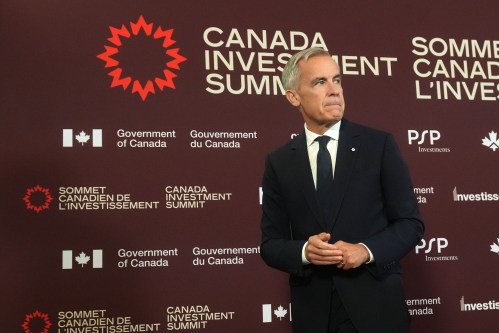
From investment buzz to building: Canada’s major projects face hurdles, experts say
5 minute read Preview Thursday, Sep. 17, 2026