
Career Exploration
Please review each article prior to use: grade-level applicability and curricular alignment might not be obvious from the headline alone.

A robot sprinter shatters a 100-meter record again as sparks fly at China’s robot competition
2 minute read Preview Monday, Oct. 5, 2026
Entrepreneurial spotlight finds IndigiHub
4 minute read Preview Monday, Aug. 24, 2026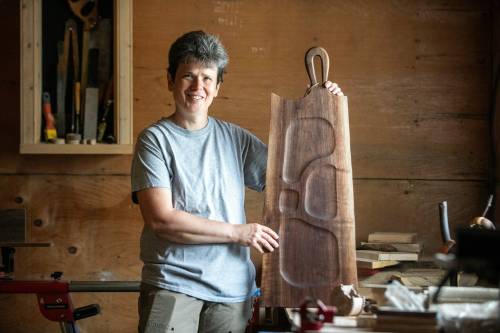
Wooed by wood, Cedarella founder takes pride in handcrafted designs
8 minute read Preview Saturday, Aug. 22, 2026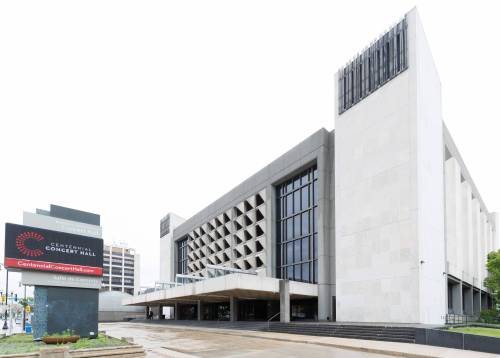
Winnipeg’s postwar architecture well-documented by online archive
5 minute read Preview Friday, Aug. 21, 2026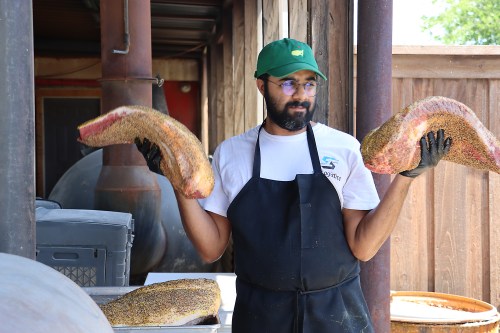
Texas barbecue is getting a halal makeover
7 minute read Preview Sunday, Aug. 30, 2026
Mole Mobile on move for your dermatological needs
3 minute read Preview Thursday, Aug. 20, 2026Build the resources to help children with speech
6 minute read Thursday, Aug. 20, 2026Imagine your daughter says her first word later than her friends do. You wait, hoping she will catch up. By age three, she still is not putting words together the way other kids her age are. Your doctor refers you to a speech-language pathologist. You expect a call within a few weeks.
Instead, you wait. Six months. A year. Two years.
By the time your daughter is finally seen, she is heading into kindergarten. She still struggles to tell her teacher she needs the bathroom. She still cannot explain when something hurts. She still cannot join in the games her classmates play, because those games need more words than she has.
As a parent, your anxiety grows, the frustration leading to sleepless nights worrying about how your child’s life will be impacted by this lack of support. The rest of your family and circle of friends is deeply affected by this potential crisis, they can see you struggling, you feel the stain of stigma attaching itself to your precious daughter. Where can you turn to help your child?
RRC shelter support worker program grads seek to make difference in lives of province’s most vulnerable
4 minute read Preview Tuesday, Aug. 18, 2026
Province officially recognizes arboriculture as a trade
5 minute read Preview Tuesday, Aug. 18, 2026
New Bannatyne eatery brings feast of Asian flavours
4 minute read Preview Tuesday, Aug. 18, 2026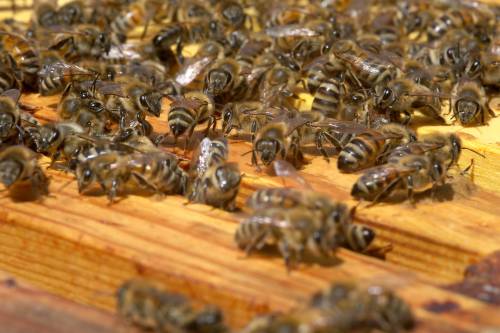
Manitoba honey industry buzzing as U.S. tariff clock ticks
5 minute read Preview Monday, Aug. 17, 2026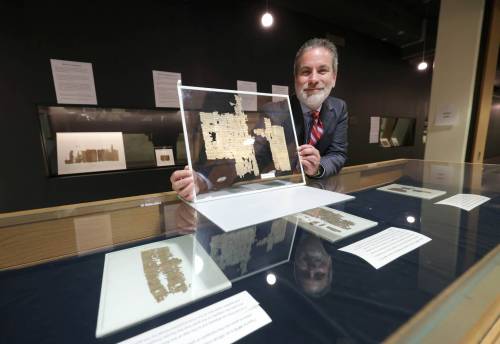
U of M exhibition brings ancient Roman Egyptian documents to life
5 minute read Preview Monday, Aug. 17, 2026
New exhibition offers up 125 different ways to look at Canada
6 minute read Preview Monday, Aug. 17, 2026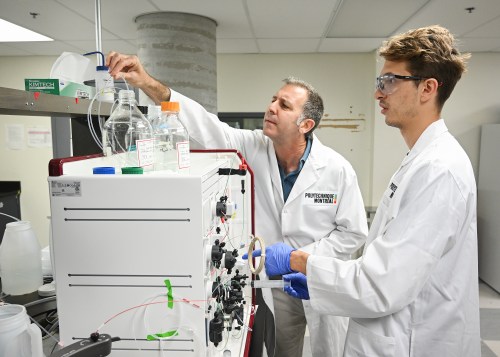
Inside the Montreal lab working to prepare Canada against future pandemics
6 minute read Preview Tuesday, Sep. 8, 2026
Meetings accomplish something that an email never could while respecting people’s time, building relationships
7 minute read Preview Saturday, Aug. 15, 2026
Célébrer des employés qui mettent la main à la pâte
6 minute read Preview Saturday, Aug. 15, 2026
Manitoba family finalist for cattle producers environmental award
4 minute read Preview Saturday, Aug. 15, 2026
Coalition dismayed after U of M decides not to establish master’s in speech-language pathology
5 minute read Preview Friday, Aug. 14, 2026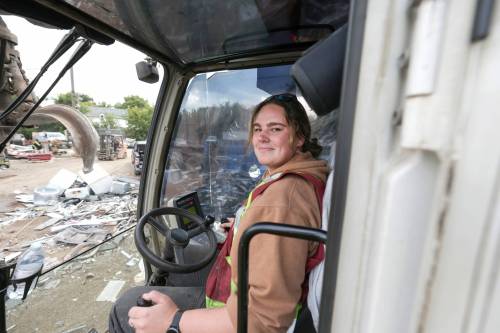
Trailblazing Western Scrap Metals heavy-equipment operator relishes role at massive crane’s control
7 minute read Preview Friday, Aug. 14, 2026
Fusion pop-up coming to street food festival
3 minute read Preview Friday, Aug. 14, 2026
Classic Scoop founder left lucrative job to start business offering treats on-site for parties, festivals
5 minute read Preview Friday, Aug. 14, 2026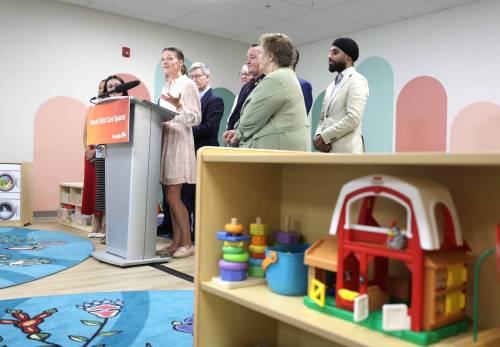
‘Much more to do’ to meet demand for licensed child care: education minister
4 minute read Preview Thursday, Aug. 13, 2026
A mission to make hearing care easier to access
5 minute read Preview Wednesday, Aug. 12, 2026‘Artificial intelligence’ based on large language models is shaping up to be the most efficient destroyer of value since the South Sea Bubble. After “the Crash”, which is inevitably coming, some specific functions of AI will eventually turn out to be genuinely revenue-generating, and a lot of jobs will duly disappear. But the biggest winner (and potentially biggest loser) is medical science.
Dr. Brian Hie, a chemical engineer at Stanford University in California, has just revealed that his team has made the first viruses designed by artificial intelligence. They are ‘bacteriophages’, viruses that only infect bacteria and are widely used to treat people with infections that resist other treatments.
However, natural bacteriophages sometimes fail, so Dr. Hie used generative AI to design new ones that might do the job. The AI generated thousands of designs for new genomes that more or less fit the bill, and he chose around 300 of them to build in the lab. It’s hard work, not magic, but he ended up with 16 ‘novel’ bacteriophages that might work.
He applied them to petri dishes containing two harmful strains of E. coli, a common bacteria that lives in the human gut, and they killed the bacteria off. It’s still early days, but if it is truly becoming possible to tailor-make bacteriophages that target specific bacteria, then we may be getting a major new weapon in the struggle against antibiotic resistance.