Indigenous Education
Please review each article prior to use: grade-level applicability and curricular alignment might not be obvious from the headline alone.
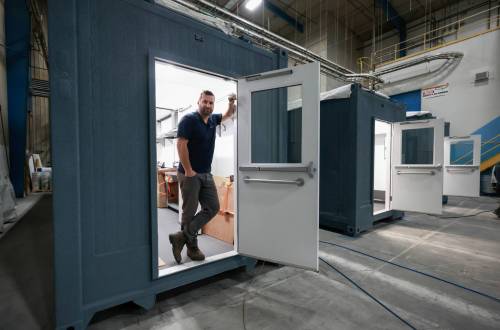
Co-founder of Winnipeg's NIBI Enviro Tech says 'opportunities are endless' for recycling shipping containers into custom pods
5 minute read Preview Wednesday, Feb. 18, 2026
Tired of waiting, First Nation buys $8M worth of generators
5 minute read Preview Friday, Feb. 13, 2026
Bill aims to give MMF self-government treaty with Canada
3 minute read Preview Thursday, Feb. 12, 2026
Arviat, Nunavut chosen as main campus location for Inuit Nunangat University
3 minute read Preview Thursday, Mar. 5, 2026
Province’s Indigenous tourism industry growing
5 minute read Preview Monday, Feb. 9, 2026Online learning offered for Indigenous languages
4 minute read Saturday, Feb. 7, 2026Inner-city students and their families are getting more options and flexibility to study Indigenous languages.
The Winnipeg School Division is testing out a new model to reach more residents with its free evening classes this winter.
“After COVID, we said, ‘If teaching online worked, why not try this?’” said Rob Riel, assistant superintendent of Indigenous education. “We’re finally getting around to it.”
Indigenous language teachers have moved around to different schools in the past to run a series of beginner, in-person lessons for community members of all kinds.
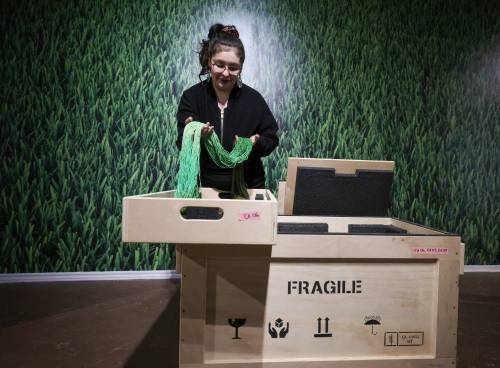
Exhibition digs into colonial ideas, societal pressures and resource use of lawns
5 minute read Preview Friday, Feb. 6, 2026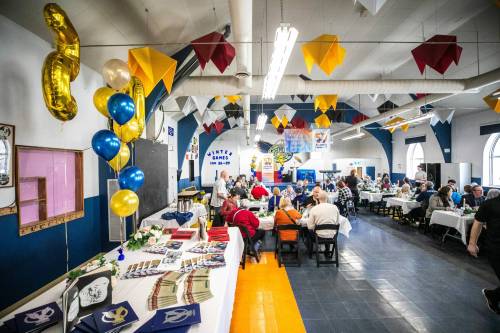
Beloved drop-in centre remains a haven for youth after 50 years
6 minute read Preview Saturday, Jan. 31, 2026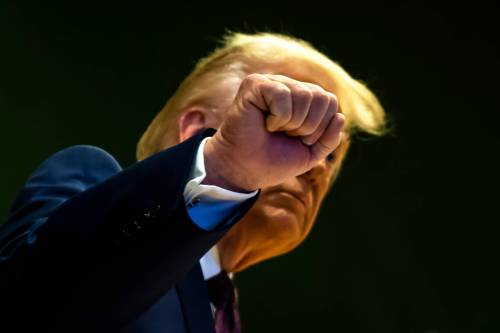
Trump continues to target Indigenous peoples
5 minute read Preview Friday, Jan. 30, 2026
Métis-Canadian soprano exploring portrayals of Indigenous women in opera stresses need for joy, humour
5 minute read Preview Monday, Jan. 26, 2026
‘He took us to the mountaintop’: 30th Sacred Assembly celebrates Elijah Harper’s legacy
4 minute read Preview Sunday, Jan. 25, 2026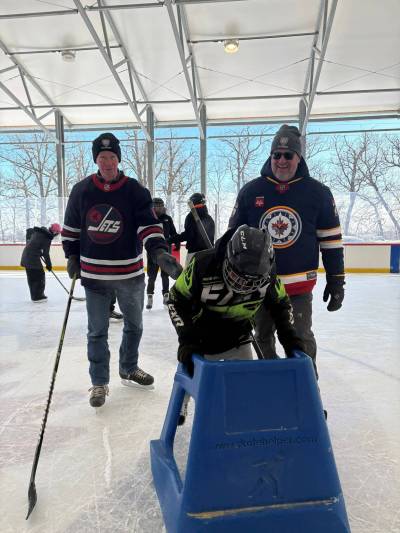
Cold ice, warm hearts at WASAC youth camp
4 minute read Preview Saturday, Jan. 24, 2026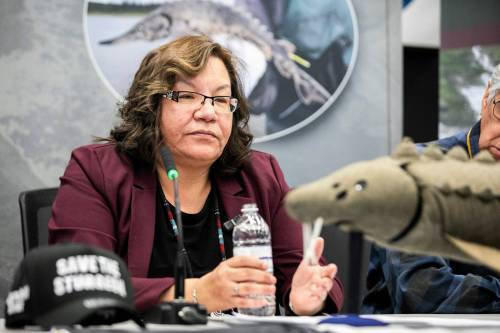
First Nation says Hydro misuse of river diversion destroying sturgeon population
5 minute read Preview Thursday, Jan. 22, 2026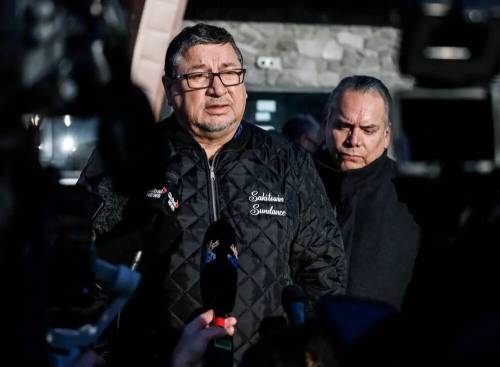
Pimicikamak’s $20-M in unpaid Hydro bills pales in comparison to what Hydro owes First Nation, chief says
4 minute read Preview Tuesday, Jan. 20, 2026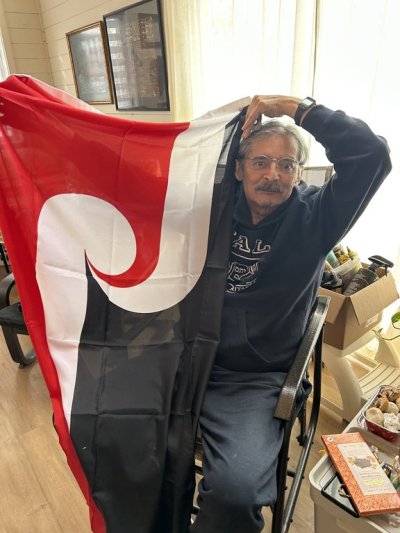
Dan David, Mohawk journalist and Indigenous news trailblazer, dies at 73
4 minute read Preview Monday, Jan. 19, 2026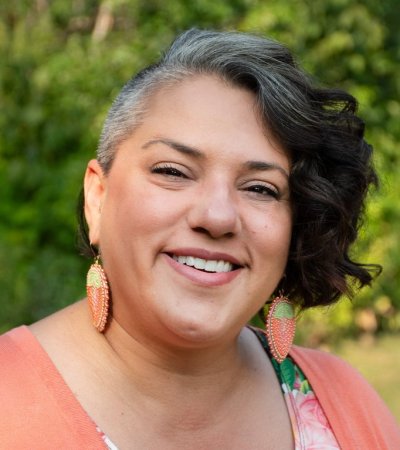
Vancouver conference aims to unite Indigenous tech community
4 minute read Preview Monday, Jan. 19, 2026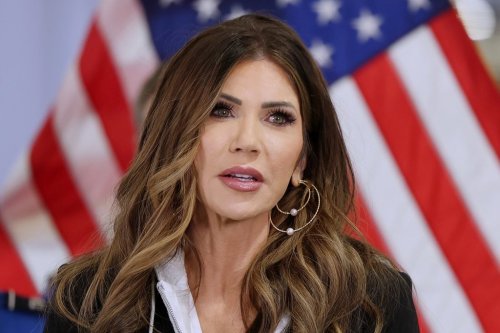
Noem burns bridges with tribes as governor, uses ICE to fan flames for Trump
5 minute read Preview Saturday, Jan. 17, 2026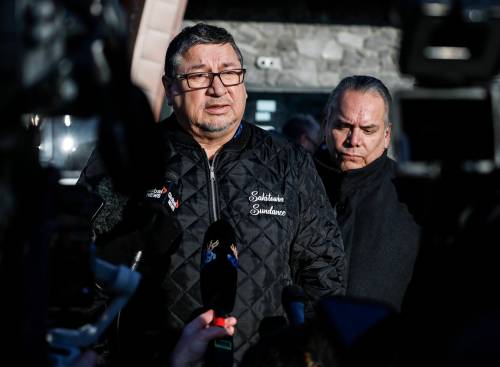
First Nation’s power-outage misery ‘frozen like a rock’
3 minute read Preview Wednesday, Jan. 14, 2026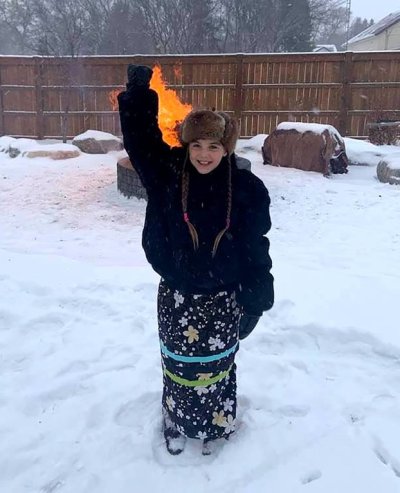
Ribbon Skirt Day leader reflects on changes since her cultural attire was shamed
4 minute read Preview Monday, Jan. 5, 2026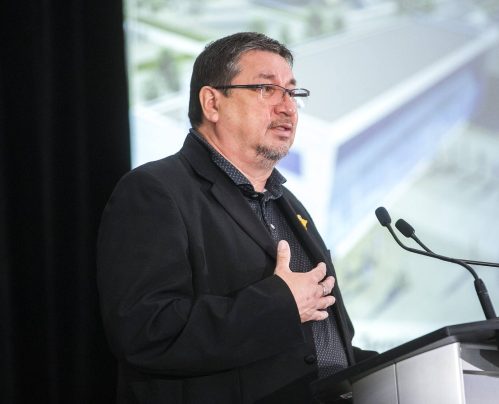
Damage estimates spiral as Pimicikamak tries to recover from power outage, deep freeze
7 minute read Preview Sunday, Jan. 4, 2026On virtue and vice signalling
4 minute read Saturday, Jan. 3, 2026I don’t know which is worse: virtue or vice signalling.
U.S. President Donald Trump is the consummate vice signaller who ostentatiously targets any group or issue he thinks will help him retain political power. Vice signalling is a form of rage farming that promotes controversial views which appear to be tough-minded, uncompromising and authoritarian.
During his second term, Trump has set his sights on immigrants, government employees, medical science, women’s rights, transgender athletes, crime and countries like Venezuela.
And if nothing else, Trump knows his audience.
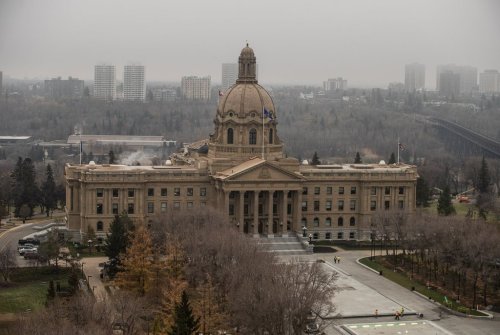
Alberta group gets green light to collect signatures for separation referendum
3 minute read Preview Saturday, Jan. 3, 2026
Animal Nation includes rural and Indigenous people in its portraits of Prairie and northern animals
4 minute read Preview Friday, Jan. 2, 2026