
Economics and Resources
Please review each article prior to use: grade-level applicability and curricular alignment might not be obvious from the headline alone.

An eroding Winnipeg neighbourhood looks to new foundations
6 minute read Preview Monday, Jul. 27, 2026
‘Bright’ future: RCAF chief says spike in defence spending is boosting flight times
6 minute read Preview Monday, Aug. 17, 2026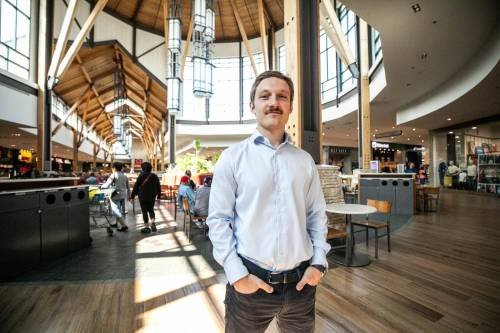
Vacant Bay store on road to redevelopment, St. Vital Centre owner says
6 minute read Preview Friday, Jul. 24, 2026
Canada, UAE conclude negotiations on a free-trade agreement
4 minute read Preview Thursday, Jul. 30, 2026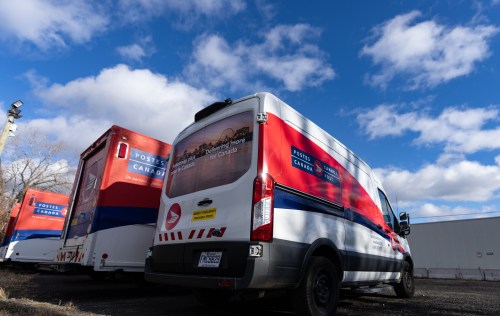
‘Existential’: Community papers struggling to survive amid Canada Post flyer delivery
6 minute read Preview Monday, Aug. 10, 2026
Critics accuse Ottawa of ignoring human rights as it signs trade deal with Ecuador
3 minute read Preview Thursday, Jul. 30, 2026
Carney says ‘everything’s on the table’ for tariff retaliation against United States
5 minute read Preview Monday, Aug. 10, 2026
Small business group says immigration cut makes it tough to hire workers
5 minute read Preview Thursday, Jul. 23, 2026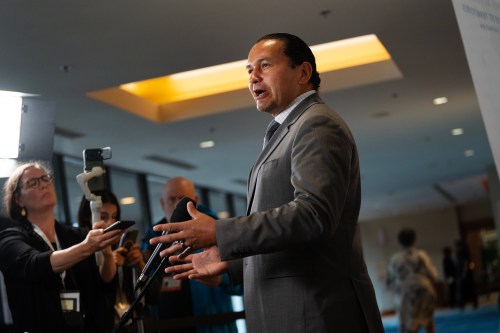
Manitoba Premier Kinew ‘willing to entertain’ Alberta to Ontario pipeline
3 minute read Preview Monday, Aug. 10, 2026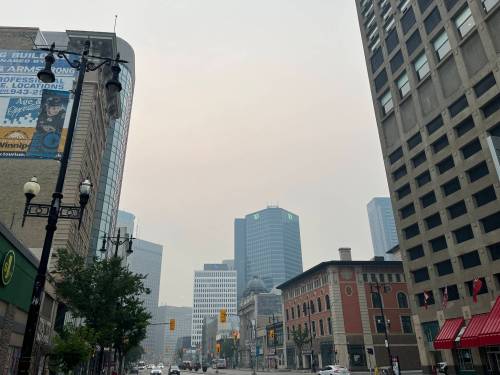
Climate change? It’s already here
5 minute read Preview Wednesday, Jul. 22, 2026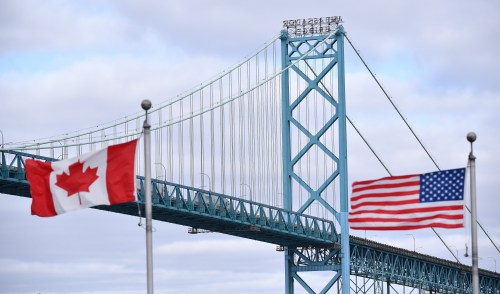
Tariffs threaten Canadian retailers and their U.S. sales — again
5 minute read Preview Wednesday, Jul. 22, 2026Time to open our eyes about AI
5 minute read Monday, Jul. 20, 2026The word “Luddite” carries a particular connotation. Typically, it’s a term of mockery hurled at a person deemed technophobic, perhaps simply too stupid to appreciate modern technology. But the Luddites were a real group of people with an important place in history. And it isn’t fair they’ve become synonymous with ignorance.
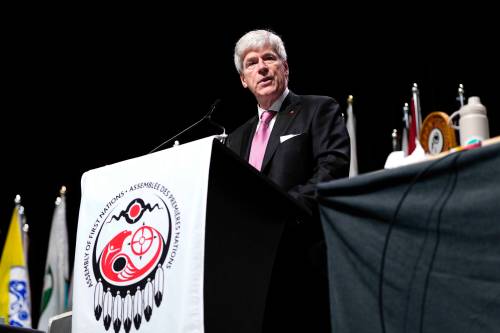
First Nations’ concerns overshadowed by talk of major projects
5 minute read Preview Friday, Jul. 17, 2026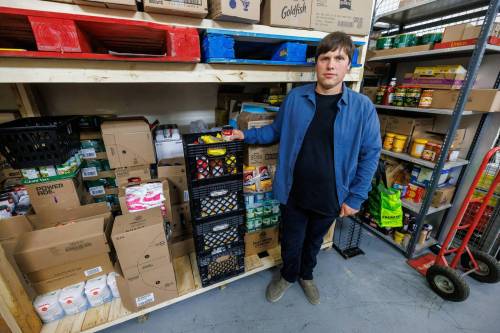
Popular low-price grocery program celebrates first year
5 minute read Preview Friday, Jul. 17, 2026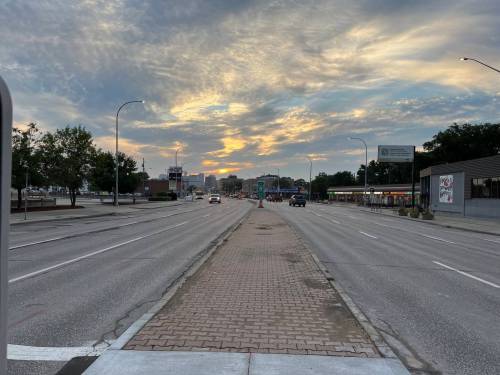
What happened to public service?
5 minute read Preview Friday, Jul. 17, 2026
Black, immigrant entrepreneurs seek growth, support at summit
3 minute read Preview Thursday, Jul. 16, 2026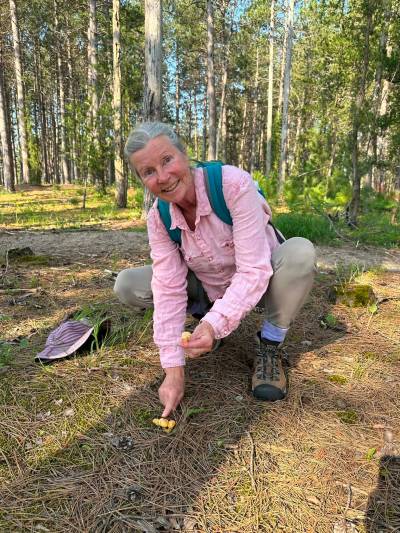
Manitoba documentary focuses lens on environmental defenders, beauty of prairies
5 minute read Preview Thursday, Jul. 16, 2026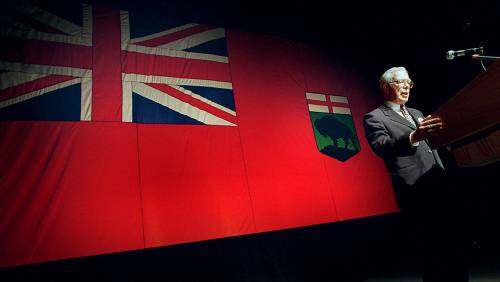
The next Duff’s Ditch must be medical
5 minute read Preview Thursday, Jul. 16, 2026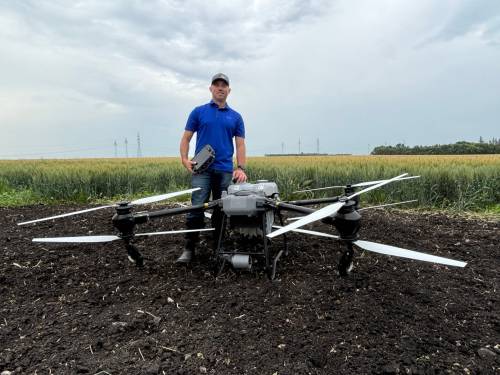
Ottawa invests $3.5M in EMILI growth
5 minute read Preview Wednesday, Jul. 15, 2026
Hydro’s planned outages turn out the lights for thousands across province
4 minute read Preview Wednesday, Jul. 15, 2026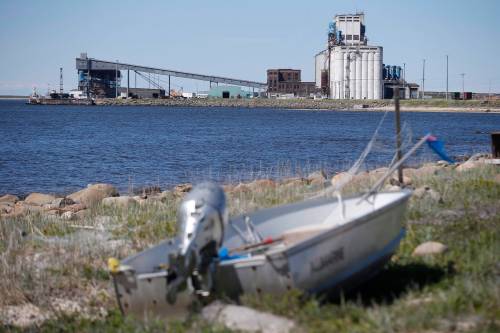
Grain latest Port of Churchill shipment
2 minute read Preview Wednesday, Jul. 15, 2026
Bank of Canada says food inflation likely to remain high for rest of 2026
2 minute read Preview Thursday, Jul. 16, 2026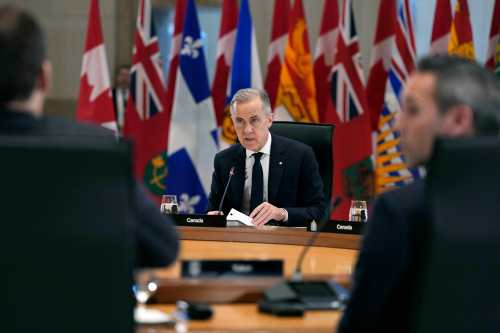
Feds, most provinces get top marks on internal trade — but more work to be done
5 minute read Preview Thursday, Aug. 6, 2026Canadian AI: What kind, and who will own it
5 minute read Wednesday, Jul. 15, 2026What is it we should fear about AI? That it will take our jobs? Overload our electricity networks and make our own energy needs more expensive? Put scarce freshwater resources at risk? Or is it that it will be unregulated, breach privacy laws and be used for a wide range of perverse purposes?
If Canadians are among the most distrustful of the AI revolution, it isn’t because they are uninformed or technologically regressive. Their reluctance is because there is no plan for Canadian AI guided by an overarching public interest.
To the contrary, the hundreds of AI data centre proposals in Canada are driven by an investor frenzy completely disconnected from Canadian needs or economic and social goals.
A Canadian Press freedom of information request from the federal government revealed that power demands from current proposals total more than 20 GW, a massive capacity comparable to the total power needs of all Canadian households, and 25 times greater than the roughly 850 MW the federal government has projected that known sovereign AI proposals will reach by 2030.