Social Studies Grade 10: Geographic Issues of the 21st Century
Please review each article prior to use: grade-level applicability and curricular alignment might not be obvious from the headline alone.
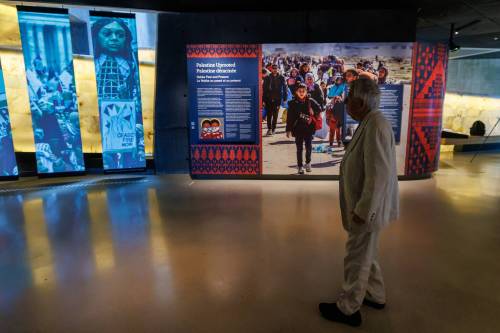
Palestinian Canadians share keepsakes, memories in CMHR’s Nakba exhibition
5 minute read Preview Friday, Jun. 26, 2026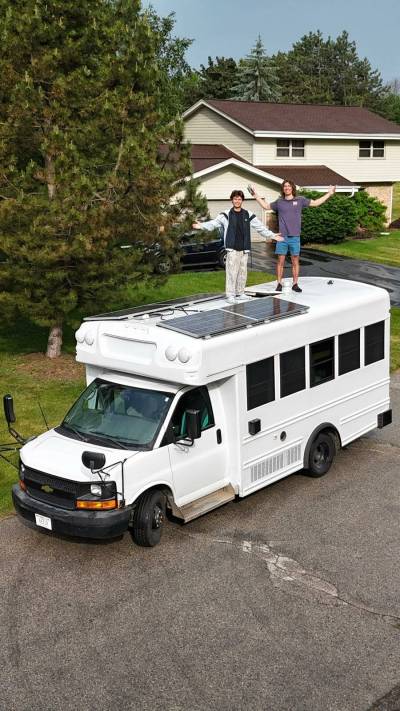
Divers Tiaglei, Rumpit jumping their way through 50 states in 50 days
6 minute read Preview Friday, Jun. 26, 2026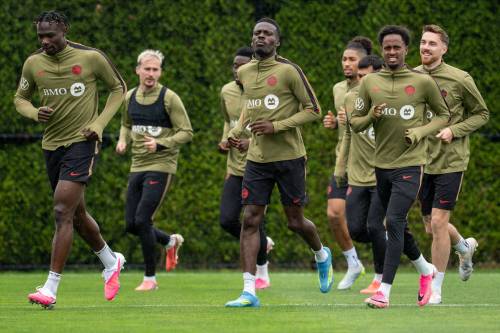
World Cup a mosaic of the human experience
5 minute read Preview Friday, Jun. 26, 2026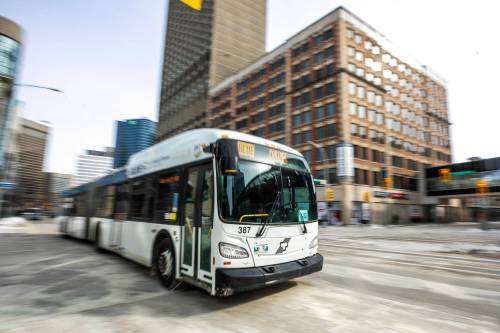
Transit says it’s short $6.5M to provide free rides for youth year round
6 minute read Preview Friday, Jun. 26, 2026
Bruce Oake Recovery Centre staff lead participants from darkness, despair of addiction
23 minute read Preview Friday, Jun. 26, 2026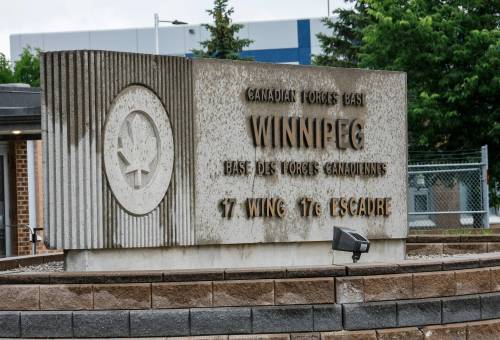
Staff shortages threaten defence-related projects, construction industry warns
5 minute read Preview Friday, Jun. 26, 2026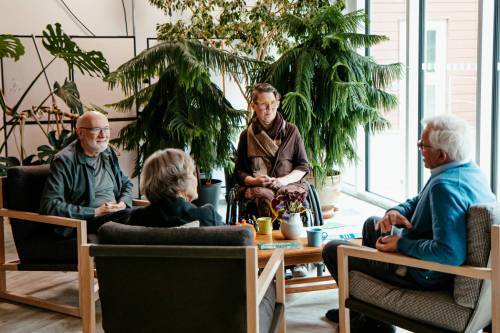
Winnipeg co-ops among models examined in film
5 minute read Preview Friday, Jun. 26, 2026
Indigenous Chamber of Commerce working to engage with members, increase membership
4 minute read Preview Friday, Jun. 26, 2026What’s happening in our city?
5 minute read Friday, Jun. 26, 2026IF you drive through certain parts of the city these days, you’ll see people bent over where they stand. Frozen mid-motion, the way fentanyl leaves a person, folded forward as if the world had simply paused them there. You’ll see people lying on the sidewalk who may be sleeping or may be something more urgent than sleeping. You’ll see it in broad daylight, in view of the bus stop, the convenience store, the school a block away.
Some days the impulse to look away from all the suffering is overwhelming. The mind reaches for something else to focus on, something less heavy, less difficult.
But there are people who don’t look away. Not because it’s easier for them. It isn’t. It’s harder, in fact, because they’re not just seeing it once from a distance. They’re walking into it, every shift, sometimes more than once in an hour.
I think about the outreach workers who carry naloxone the way the rest of us carry keys. Who have, more times than they could count, knelt down beside someone whose breathing had slowed to almost nothing, administered the medication and waited, in that terrible suspended moment, to see whether a life could be saved this time. Who have done this for strangers. Who have done this for people they’ve come to know by name, and have had to do it again, and sometimes again after that.
Greece bets on space technology to contain wildfires in a global first
5 minute read Preview Sunday, Jun. 28, 2026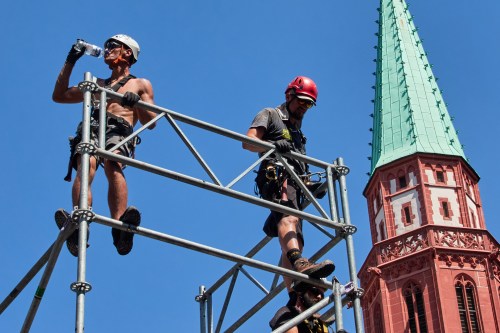
Europe’s extreme heat would be impossible without climate change, scientists say
5 minute read Preview Sunday, Jun. 28, 2026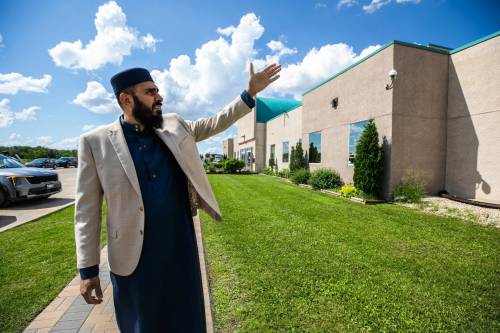
Province’s security enhancement fund allocated to targeted cultural centres, places of worship, justice minister says
5 minute read Preview Thursday, Jun. 25, 2026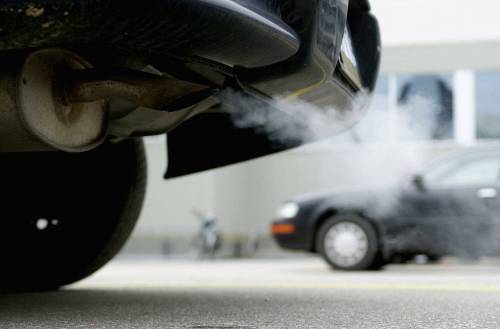
City’s greenhouse emissions rise, councillor says net-zero still within reach
3 minute read Preview Thursday, Jun. 25, 2026
Montana DEQ works toward impairment designation for Big Hole River
6 minute read Preview Thursday, Jun. 25, 2026
Mayor calls Portage and Main reopening a success
6 minute read Preview Thursday, Jun. 25, 2026
Data centres top Ottawa’s big power requests, placing pressure on local utility
3 minute read Preview Thursday, Jun. 25, 2026Time for city to get handle on e-bike, e-scooter regulations
5 minute read Thursday, Jun. 25, 2026Ever been out for a walk, a jog or a casual bike ride only to be startled by an e-bike, battery-powered scooter or some other personal electric vehicle flying past you at high speed? If so, you probably know how urgent it is for lawmakers to bring in regulations to respond to this growing phenomenon.
Winnipeg is facing a transportation challenge that barely existed a few years ago. Battery-powered bikes, scooters, electric unicycles and other similar vehicles have become common sights on city streets, cycling routes and multi-use pathways.
Their popularity is growing faster than the rules governing them. And that should be a concern for city hall.
There’s no question personal electric vehicles offer people significant advantages. They’re cheaper to operate than cars, produce no direct emissions, reduce traffic congestion and provide people with another option for getting around the city.

Carney coming to Calgary Stampede, carrying message that separation is no magic wand
4 minute read Preview Friday, Jun. 26, 2026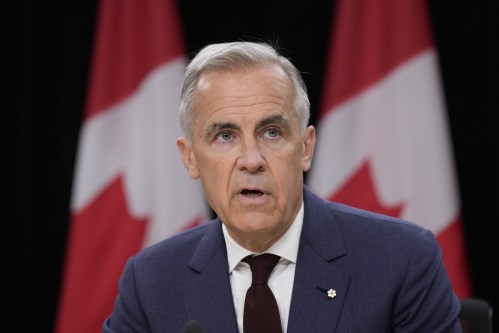
Carney says B.C. condo buyout proposal is about affordability, not bailouts
6 minute read Preview Friday, Jun. 26, 2026
Carney says he and Trump discussed defence priorities, Arctic ahead of NATO summit
5 minute read Preview Friday, Jun. 26, 2026
Truancy report calls for students to engage in policies, programs
5 minute read Preview Thursday, Jun. 25, 2026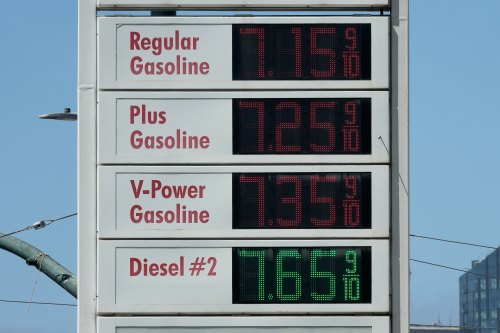
AI is helping gas stations collude to raise California fuel prices, lawsuit says
3 minute read Preview Wednesday, Jun. 24, 2026
Grade 7 students learn about environment in Seine River cleanup
4 minute read Preview Wednesday, Jun. 24, 2026