Social Studies Grade 11: History of Canada
Please review each article prior to use: grade-level applicability and curricular alignment might not be obvious from the headline alone.
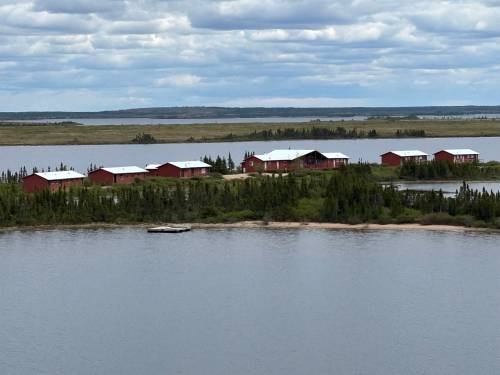
Northern First Nation purchases popular tourist lodge in Seal River watershed
5 minute read Preview Thursday, Jun. 11, 2026
Trump ‘not looking to renew’ CUSMA trade pact, says no need for Canadian imports
5 minute read Preview Thursday, Jun. 11, 2026
Tory MP says 4,000 letters sent urging Carney to amend Indian Act status rules
4 minute read Preview Thursday, Jul. 2, 2026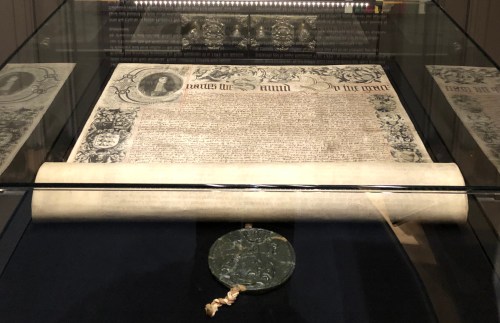
At 356, the HBC charter is about to get a Manitoba Museum welcome
5 minute read Preview Thursday, Jul. 2, 2026
Ottawa’s new Digital Safety Act expected to include under-16 social media ban
5 minute read Preview Wednesday, Jul. 1, 2026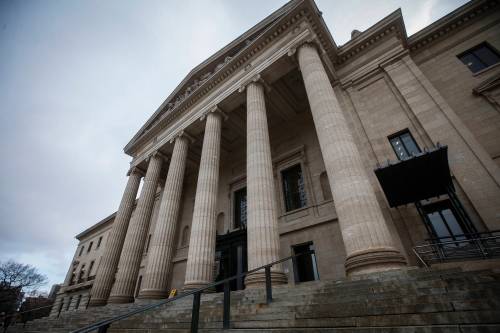
Legislation to create Manitoba-Indigenous Crown corporation pending as some First Nations express concerns
5 minute read Preview Sunday, Jun. 7, 2026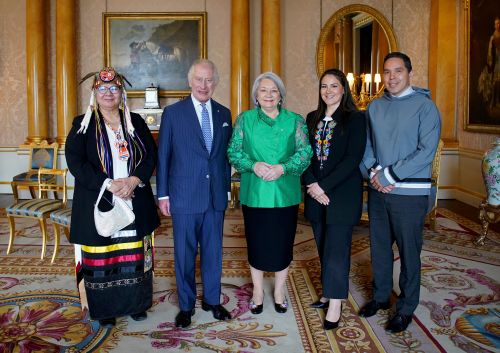
ITK president reflects on Mary Simon’s legacy as first Indigenous Governor General
5 minute read Preview Tuesday, Jun. 30, 2026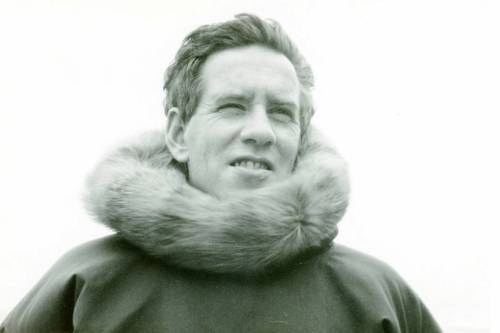
Bishop of the Arctic: Christopher Williams immersed himself in northern culture
7 minute read Preview Saturday, Jun. 6, 2026Fifty years ago this June, Manitoba Hydro destroyed one of the province’s finest lakes, its fourth-largest, when it began operating a newly constructed control structure at Missi Falls, the outlet where Southern Indian Lake flows into the lower Churchill River.
This raised the water level of the lake, creating a reservoir and diverting the flow southward via the Rat and Burntwood River systems to increase power output at its hydroelectric generating stations along the Nelson River.
More than 3,500 km of shorelines on the lake alone were permanently inundated, and along with its adjacent waterways, an area of 840 square kilometres was flooded. The entire Indigenous community of South Indian Lake had to be moved to higher ground to avoid the flooding, and the island community of Nelson House was irreparably harmed.
The Churchill River diversion project had a disastrous effect on the natural environment and the Indigenous people whose subsistence and way of life depended on the lake.
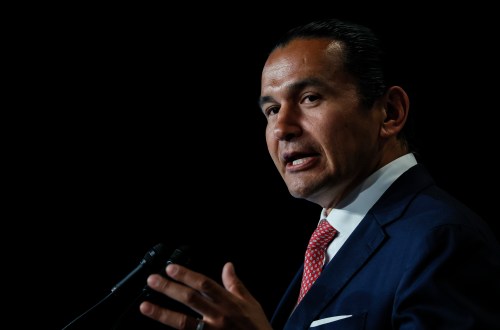
Saying ‘no’ to AI data centre a huge win for Manitoba — and Kinew
5 minute read Preview Friday, Jun. 5, 2026
Quebec health minister tables bill banning energy drink sales to youth under 16
4 minute read Preview Monday, Jun. 29, 2026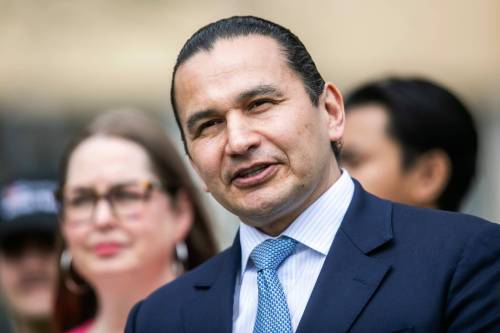
Premier pulls plug on proposed AI data centre
5 minute read Preview Thursday, Jun. 4, 2026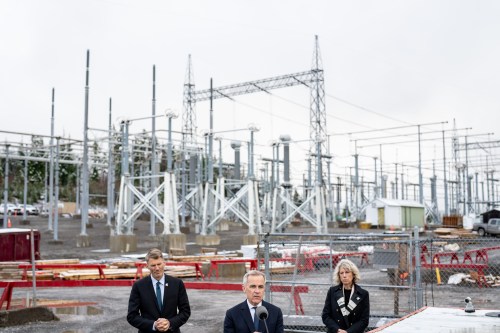
Ottawa pumps the brakes on proposed changes to major project environmental reviews
4 minute read Preview Saturday, Jun. 6, 2026
Creative industry slams government on move to dismantle CanCon obligations for streamers
5 minute read Preview Friday, Jun. 26, 2026
New $2.3B federal AI strategy looks to close ‘adoption gap,’ build public trust
5 minute read Preview Saturday, Jun. 6, 2026
Uniform decision takes military out of Pride march
5 minute read Preview Wednesday, Jun. 3, 2026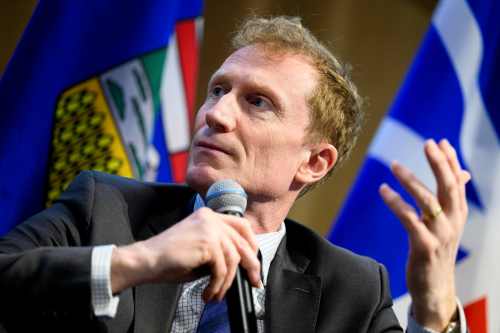
Ottawa tells CRTC to change course on increasing streamers’ financial contributions
7 minute read Preview Thursday, Jun. 4, 2026
MPs get an earful from opponents of ‘lawful access’ bill over privacy concerns
4 minute read Preview Thursday, Jun. 25, 2026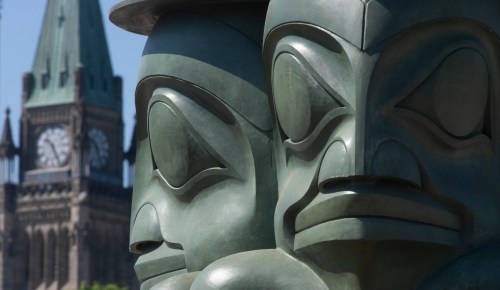
Indigenous speakers, politicians watching audit of languages office closely
6 minute read Preview Wednesday, Jun. 24, 2026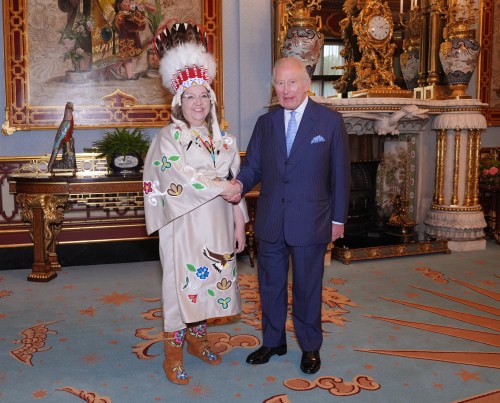
AFN chief rebukes Alberta separation talks in meeting with King Charles
3 minute read Preview Wednesday, Jun. 24, 2026
Canada sends letter to U.S., Mexico calling for renewal of trade agreement
5 minute read Preview Wednesday, Jun. 3, 2026
Manitoba makes strides on poverty, but EIA rates must increase: report
5 minute read Preview Tuesday, Jun. 2, 2026
Federal poll finds nearly half of Canadians think country takes ‘too many immigrants’
3 minute read Preview Wednesday, Jun. 3, 2026