Social Studies Grade 11: History of Canada
Please review each article prior to use: grade-level applicability and curricular alignment might not be obvious from the headline alone.

AI safety advocates say bill a good ‘first step’ on regulation, but more needed
5 minute read Preview Tuesday, Jul. 14, 2026
‘This is nuts’: The hard-fought race to build Canada’s next submarine fleet
7 minute read Preview Tuesday, Jul. 14, 2026
More than words: Military-Indigenous reconciliation event aims to build bridges between past and future
3 minute read Preview Saturday, Jun. 20, 2026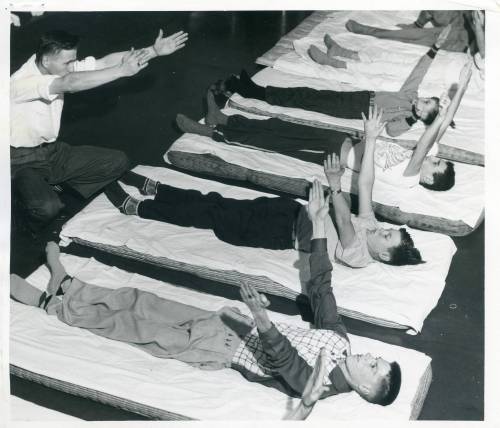
Confronting the scourge of polio
8 minute read Preview Saturday, Jun. 20, 2026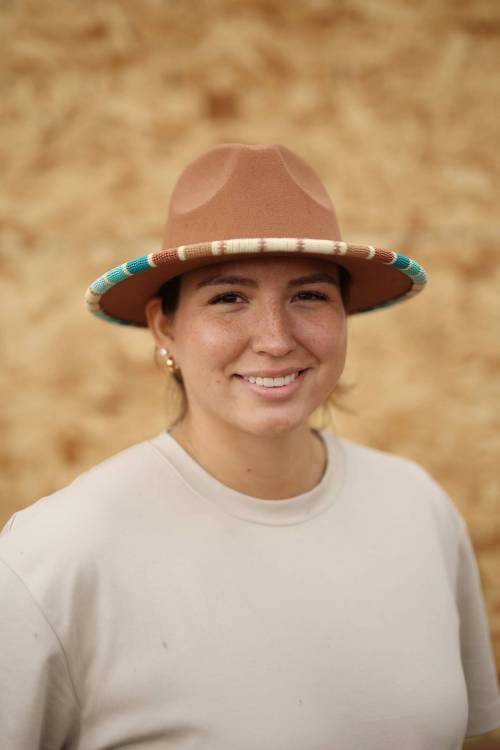
Rise in female chiefs ‘a beautiful resurgence’
5 minute read Preview Saturday, Jun. 20, 2026
Sask. Métis village grapples with child abductions, North-West Rebellion
4 minute read Preview Saturday, Jun. 20, 2026
Stopping AI ‘slop shots’ in modern politics
5 minute read Preview Saturday, Jun. 20, 2026
How Canada can continue to lead on news policy
5 minute read Preview Saturday, Jun. 20, 2026History of Doctrine of Discovery is complicated
5 minute read Saturday, Jun. 20, 2026Graydon Nicholas, a retired lawyer, judge and an elder from the Wolastoqey First Nation in New Brunswick, understands only too well the negative impact of colonization on Indigenous people in the Americas.
He also understands the role the Roman Catholic Church played in it through what became known as the Doctrine of Discovery — the idea that by “discovering” the Americas, colonizing countries like Spain and Portugal could claim Indigenous land as their own.
But Nicholas, who is Roman Catholic, also believes the story is more complicated than most people realize and also incomplete without noting opposition from those in the Church during that age of discovery and conquest.
That includes Dominican priests such as Antonio de Montesinos, who publicly condemned Spanish and Portuguese abuses against Indigenous people in the Americas during that time.

Manitoba appoints Canada’s first judge of reconciliation
4 minute read Preview Friday, Jun. 19, 2026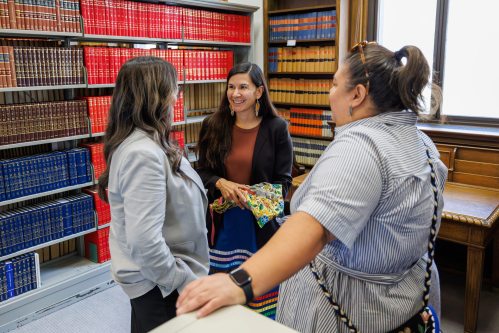
Ryle perfect choice for Manitoba’s first associate chief judge for reconciliation
5 minute read Preview Friday, Jun. 19, 2026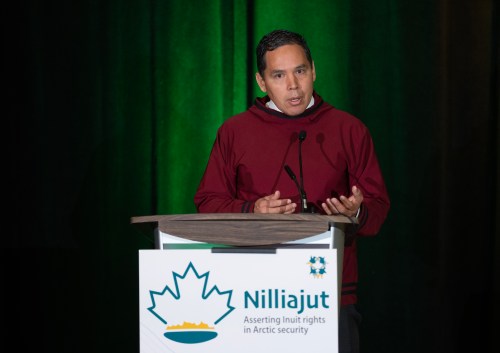
Inuit could pursue foreign partners if relationship with Ottawa sours: ITK leader
6 minute read Preview Saturday, Jul. 11, 2026
World Refugee Day marked with celebration, reflection
3 minute read Preview Thursday, Jun. 18, 2026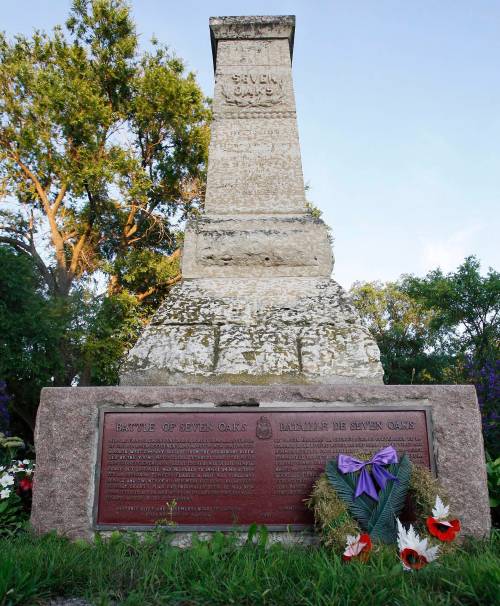
210 years of resistance: the Métis at Seven Oaks
4 minute read Preview Thursday, Jun. 18, 2026
Smith tells First Nations chiefs to ‘check themselves’ over treason accusation
4 minute read Preview Friday, Jun. 19, 2026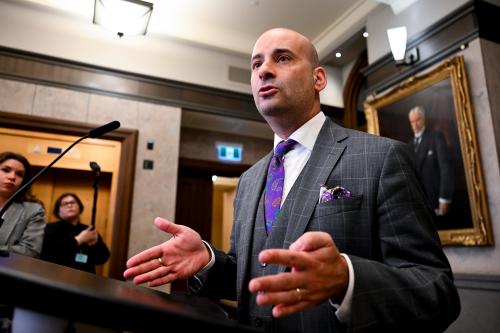
Conservative MP’s bill on intimate partner violence becomes law
2 minute read Preview Thursday, Jul. 9, 2026
One of Canada’s most prominent MAID providers reflects on divisive decade
8 minute read Preview Thursday, Jun. 18, 2026
Committee majority recommends against MAID for mental illness, four senators object
5 minute read Preview Thursday, Jun. 18, 2026Canadians deserve clearer conversation about MAID
4 minute read Wednesday, Jun. 17, 2026When Canada legalized medical assistance in dying in June 2016, the public debate focused largely on one situation: people facing the end of life and suffering intolerably.
For many Canadians, that remains their understanding of the law today.
But Canada’s MAID framework has evolved significantly since then. In 2021, Parliament expanded the law through Bill C-7, creating two pathways for assisted death. The first pathway applies to people whose natural death is imminent and expected soon (reasonably foreseeable).
The second — known as “Track 2” — allows separate access to MAID for individuals with disabilities who are not dying.
Families shouldn’t have to fight this hard for help
4 minute read Wednesday, Jun. 17, 2026Receiving a diagnosis is the first of many hard steps in the lifetimes of young people who live with disabilities and their families.
What comes next for many families in Manitoba who have a child with a disability is often a harsh reality, plagued by uncertainty, further delays, difficult decisions, gaps in service, and difficulties accessing even the most basic support for their children.
Manitoba’s children’s disability services system has skilled, knowledgable, and supportive service providers. However, resources are scarce and case workers are stretched too thin. As a result, children with disabilities and their families are left with nowhere to turn for support and resources.
The Manitoba Advocate for Children and Youth (MACY) released Bridging the Gap: Achieving Substantive Equality for Children with Disabilities in Manitoba in 2021. The report outlined nine clear recommendations to improve access to services. Almost all those recommendations remain unfulfilled.

Potash ‘test shipment’ planned for Churchill
5 minute read Preview Tuesday, Jun. 16, 2026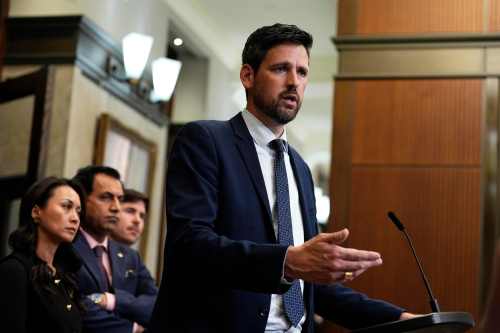
Justice minister says he will review MAID committee testimony before making decision
4 minute read Preview Thursday, Jun. 18, 2026
MPs urge action to undercut ‘manosphere’ by tackling anti-women ideology
4 minute read Preview Wednesday, Jul. 8, 2026