Social Studies Grade 11: History of Canada
Please review each article prior to use: grade-level applicability and curricular alignment might not be obvious from the headline alone.
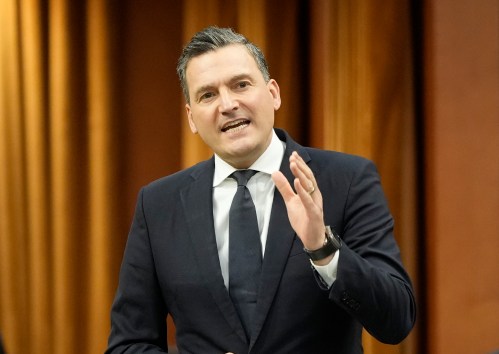
Ottawa’s new surveillance pricing rules not likely to take effect before 2028
4 minute read Preview Wednesday, Jul. 8, 2026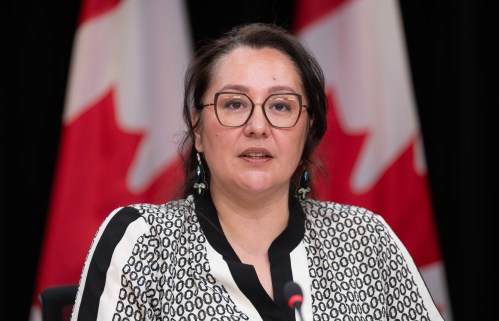
Liberal government tables new First Nations drinking water legislation
7 minute read Preview Tuesday, Jun. 23, 2026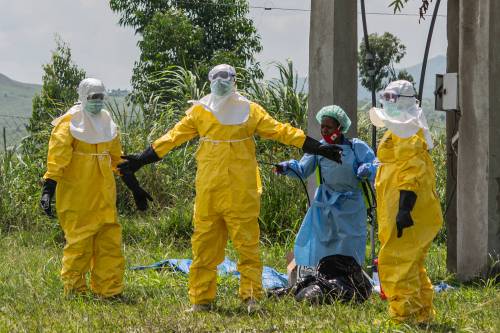
Ebola stretches weakened global aid system
5 minute read Preview Tuesday, Jun. 16, 2026
Alberta separatists can’t see economic future through their blinding rage
6 minute read Preview Monday, Jun. 15, 2026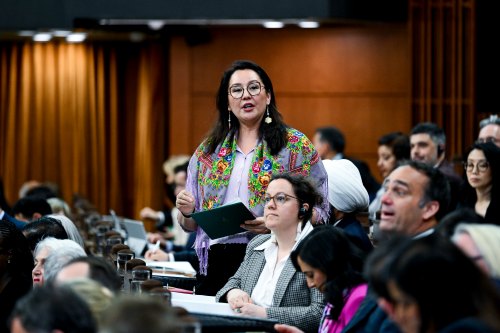
New First Nations water bill changes mention of ‘right’ to clean water access
4 minute read Preview Tuesday, Jul. 7, 2026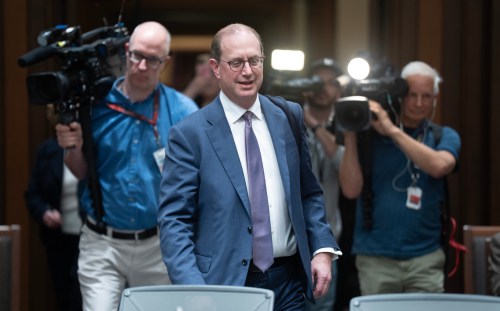
‘It’s all going to be OK’: Canada’s U.S. ambassador tries to ease CUSMA anxiety
4 minute read Preview Tuesday, Jun. 16, 2026
Ottawa introduces privacy bill covering children’s data, right to request deletion
4 minute read Preview Tuesday, Jul. 7, 2026
Taking Pride in what’s been built
4 minute read Preview Monday, Jun. 15, 2026Halting social media harm requires national solution
5 minute read Saturday, Jun. 13, 2026THE federal Liberal government’s proposed legislation to ban or restrict social media access for children under 16 appears to be a sensible approach to one of the most difficult public policy challenges of the digital age.
Whether Canadians ultimately support a ban, limited restrictions or exemptions for platforms that can demonstrate adequate safeguards, one thing is becoming increasingly clear: if governments are going to regulate children’s access to social media, it makes far more sense to do it at the federal level than through a patchwork of provincial laws.
That’s particularly relevant in Manitoba, where the provincial government has been exploring its own options to restrict social media use among young people.
The intentions are understandable. Parents, educators, health-care professionals and policymakers are becoming increasingly alarmed about the effects social media is having on many children and teenagers.
Church archivists swamped with requests for docs
5 minute read Saturday, Jun. 13, 2026There’s a rule in nature that you can’t only do one thing. If you dam a river to make hydroelectricity, you will impede the fish trying to swim upriver to spawn. If you drain wetlands, flooding usually increases elsewhere. If you remove trees from steep slopes, erosion results.
In December, last year, Canada experienced the truth of that rule in another way. That’s when Parliament passed Bill C-3 to extend citizenship to those born outside of Canada.
The new rules retroactively restore Canadian citizenship to someone who was born outside of Canada before December 15, 2025 and who can prove that an ancestor, such as grandparent or great-grandparent, was a Canadian citizen on or after January 1, 1947.
Called the Act to Amend the Citizenship Act, the bill was designed to fix a problem that arose after an Ontario court ruled the “first-generation limit” on citizenship was unconstitutional.
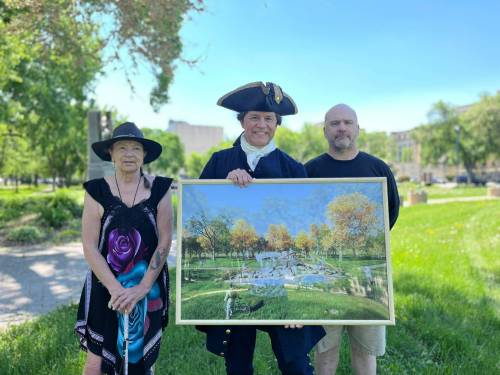
Une nouvelle oeuvre pour raconter l’histoire autrement
7 minute read Preview Saturday, Jun. 13, 2026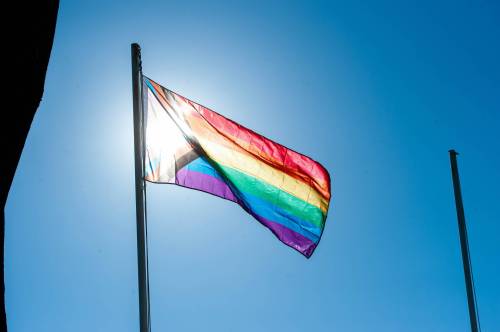
Winkler hosts first LGBTTQ+ celebration Saturday
6 minute read Preview Friday, Jun. 12, 2026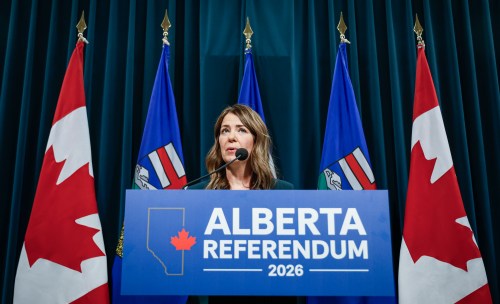
Alberta picks university to cost out separation, panel to assess ahead of referendum
5 minute read Preview Sunday, Jun. 14, 2026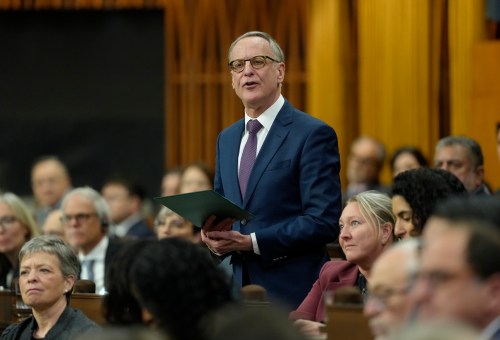
Ottawa moves to tighten rules barring forced labour products from Canada
6 minute read Preview Sunday, Jun. 14, 2026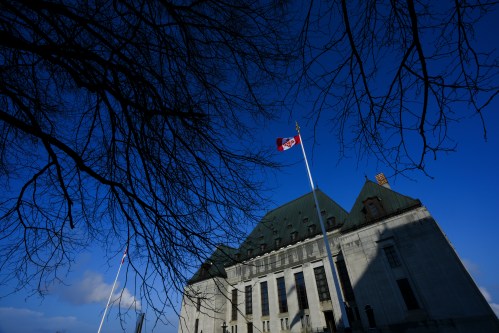
Supreme Court rules New Brunswick lieutenant-governor must be bilingual
4 minute read Preview Sunday, Jul. 5, 2026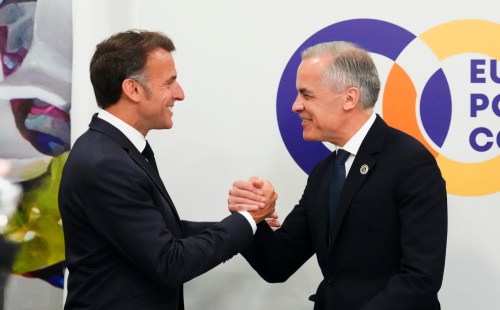
Carney announces new intelligence exchange agreement with France
6 minute read Preview Sunday, Jun. 14, 2026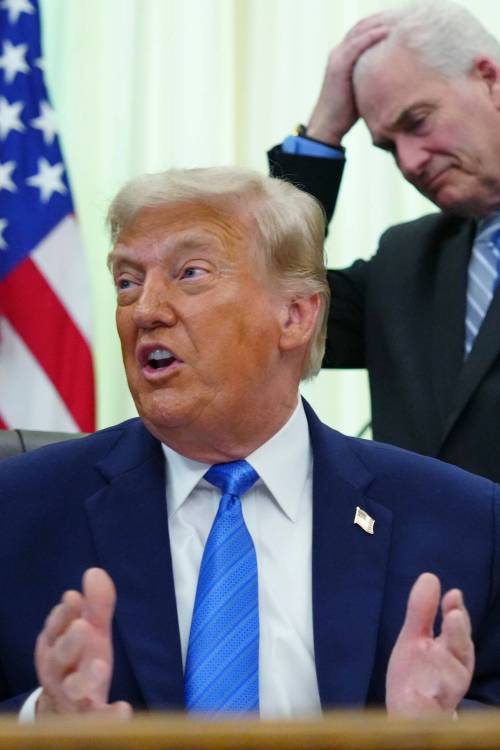
A tale of two bridges and one president
4 minute read Preview Friday, Jun. 12, 2026Education, reconciliation and Murray Sinclair
4 minute read Friday, Jun. 12, 2026"Education got us into this mess and education will get us out of it.” With these familiar and powerful words, the late Justice Murray Sinclair, chair of the Truth and Reconciliation Commission, pointed deliberately and necessarily to education as the key to reconciliation.
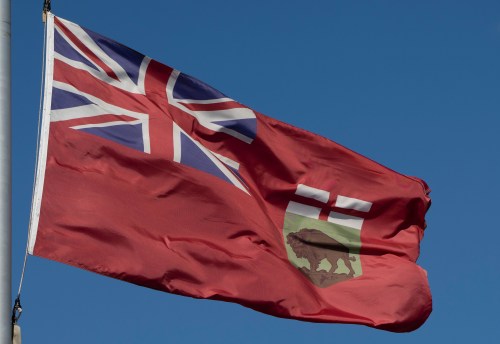
First Nation in Manitoba declares state of emergency due to drugs, violence
2 minute read Preview Saturday, Jun. 13, 2026
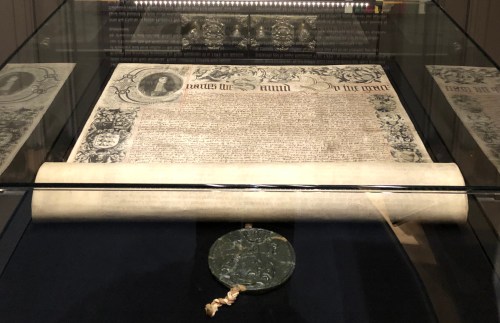
HBC charter goes on display at Manitoba Museum
6 minute read Preview Thursday, Jun. 11, 2026
Tesla loses bid for urgent judicial review of Manitoba’s EV rebate
3 minute read Preview Thursday, Jun. 11, 2026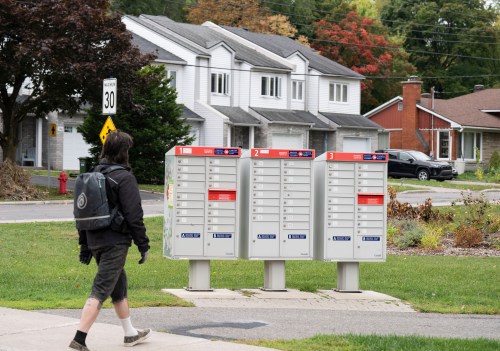
Canada Post moves to convert nearly half a million more homes to community mailboxes
3 minute read Preview Friday, Jun. 12, 2026
Mother of B.C. cyberbullying victim Amanda Todd welcomes federal online safety bill
4 minute read Preview Sunday, Jun. 14, 2026