

Administration

Paul Samyn Editor
Paul Samyn is the editor of the Free Press, a role which has him responsible for all this newsroom produces on all platforms.
Scott Gibbons Associate Editor Enterprise
Scott oversees long features, investigations and special projects.

Stacey Thidrickson Associate editor, news
Stacey Thidrickson got a taste for journalism as a teenager when she got her first byline in the Selkirk Journal — the same newspaper that helped launch her career more than 20 years ago.

Erin Lebar Manager of audience engagement for news
Erin Lebar spends her time thinking of, and implementing, ways to improve the interaction and connection between the Free Press newsroom and its readership.

Wendy Sawatzky Associate Editor Digital News
Wendy oversees the team that publishes news on the Free Press’s websites and apps.
Business

Aaron Epp Reporter
Aaron Epp reports on business for the Free Press.
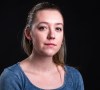
Gabrielle Piché Reporter
Gabby is a big fan of people, writing and learning. She joined the Free Press business beat in 2021.
City
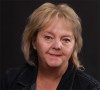
Carol Sanders Legislature reporter
In 1997, Carol started at the Free Press working nights as a copy editor. In 2000, she jumped at a chance to return to reporting. In early 2020 — before a global pandemic was declared — she agreed to pitch in, temporarily, at the Free Press legislature bureau. She’s been there ever since.

Chris Kitching Reporter
As a general assignment reporter, Chris covers a little bit of everything for the Free Press.

Dean Pritchard Courts reporter
Dean Pritchard is courts reporter for the Free Press. He has covered the justice system since 1999, working for the Brandon Sun and Winnipeg Sun before joining the Free Press in 2019.

Erik Pindera Reporter
Erik Pindera is a reporter for the Free Press, mostly focusing on crime and justice.

Joyanne Pursaga Reporter
Born and raised in Winnipeg, Joyanne loves to tell the stories of this city, especially when politics is involved. Joyanne became the city hall reporter for the Winnipeg Free Press in early 2020.

Julia-Simone Rutgers Reporter
Julia-Simone Rutgers is a climate reporter with a focus on environmental issues in Manitoba. Her position is part of a three-year partnership between the Winnipeg Free Press and The Narwhal, funded by the Winnipeg Foundation.

Kevin Rollason Reporter
Whether it is covering city hall, the law courts, or general reporting, Kevin can be counted on to not only answer the 5 Ws — Who, What, When, Where and Why — but to do it in an interesting and accessible way for readers.

Maggie Macintosh Education reporter
Maggie Macintosh reports on education for the Winnipeg Free Press. Funding for the Free Press education reporter comes from the Government of Canada through the Local Journalism Initiative.

Malak Abas Reporter
Malak Abas is a city reporter at the Free Press. Born and raised in Winnipeg's North End, she led the campus paper at the University of Manitoba before joining the Free Press in 2020.

Marsha McLeod Investigative reporter
Marsha is an investigative reporter. She joined the Free Press in 2023.

Melissa Martin Reporter-at-large
Melissa Martin reports and opines for the Winnipeg Free Press.

Morgan Modjeski Reporter
Morgan Modjeski is a news reporter and multimedia producer for the Free Press.

Nicole Buffie Multimedia producer
Nicole Buffie is a reporter for the Free Press city desk.

Scott Billeck Reporter
Several wise folks — ok, ok, journalism types — once told Scott he better make sure he can report on news before he learns to write about sports. In what can only be described as a minor miracle, he listened.
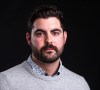
Tyler Searle Reporter
Since joining the paper in 2022, Tyler has found himself driving through blizzards, documenting protests and scouring the undersides of bridges for potential stories.
Opinion

Russell Wangersky Perspectives editor
Russell Wangersky is an editor, columnist and author who has worked at newspapers in Newfoundland and Labrador, Ontario and Saskatchewan before settling in the geographic middle of the country.

Dan Lett Columnist
Born and raised in and around Toronto, Dan Lett came to Winnipeg in 1986, less than a year out of journalism school with a lifelong dream to be a newspaper reporter.

Darren Ridgley Copy editor
Darren Ridgley is a copy editor and member of the adjunct editorial board at the Free Press.

Jen Zoratti Columnist
Jen Zoratti is a Winnipeg Free Press columnist and feature writer, working in the Arts & Life department.

Niigaan Sinclair Columnist
Niigaan Sinclair is Anishinaabe from Peguis First Nation and a professor in the Department of Indigenous Studies at the University of Manitoba. He's been a columnist for the Free Press since 2018.

Tom Brodbeck Columnist
Tom Brodbeck is an award-winning author and columnist with over 30 years experience in print media.
Arts and Life

Jill Wilson Arts & Life editor
Jill Wilson started working at the Free Press in 2003 as a copy editor for the entertainment section.

AV Kitching Reporter
AV Kitching is an arts and life writer at the Free Press.

Ben Sigurdson Literary editor, drinks writer
Ben Sigurdson edits the Free Press books section, and also writes about wine, beer and spirits.

Ben Waldman Reporter
Ben Waldman is a National Newspaper Award-nominated reporter on the Arts & Life desk at the Free Press.
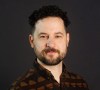
Conrad Sweatman Reporter
Conrad Sweatman is an arts reporter and feature writer.

Denise Duguay Copy editor, TV columnist
Denise Duguay is a Winnipeg poet who pays the bills by working as a copy editor and TV columnist.
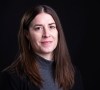
Eva Wasney Reporter
Eva Wasney is an award-winning journalist who approaches every story with curiosity and care.

Josiah Neufeld Religion reporter
Josiah Neufeld covers issues of faith in Manitoba and nationally for the Free Press and Broadview as part of a joint Religion in the News partnership.

Maureen Scurfield Advice columnist
Maureen Scurfield writes the Miss Lonelyhearts advice column.
Photos & Graphics

Mike Aporius Director of Photography/Multimedia
Mike Aporius directs the Winnipeg Free Press' team of photojournalists.
John Woods Photojournalist

Mikaela MacKenzie Photojournalist
Mikaela MacKenzie loves meeting people, experiencing new things, and learning something every day. That's what drove her to pursue a career as a visual journalist — photographers get a hands-on, boots-on-the-ground look at the world.

Mike Deal Photojournalist
Mike Deal started freelancing for the Winnipeg Free Press in 1997. Three years later, he landed a part-time job as a night photo desk editor.

Ruth Bonneville Photojournalist
As the first female photographer hired by the Winnipeg Free Press, Ruth has been an inspiration and a mentor to other women in the male-dominated field of photojournalism for over two decades.
Sports

Grace Anne Paizen Sports Editor
Grace oversees the team that produces sports journalism for the Free Press.

Jeff Hamilton Multimedia producer
After a slew of injuries playing hockey that included breaks to the wrist, arm, and collar bone; a tear of the medial collateral ligament in both knees; as well as a collapsed lung, Jeff figured it was a good idea to take his interest in sports off the ice and in to the classroom.

Joshua Frey-Sam Reporter
Josh joined the Free Press sports squad just weeks after graduating from Red River College’s Creative Communications program in 2022.

Ken Wiebe Reporter
Raised in the booming metropolis of Altona, Man., Ken Wiebe grew up wanting to play in the NHL, but after realizing his hands were more adept at typing than scoring, he shifted his attention to cover his favourite sport as a writer.

Mike McIntyre Reporter
Mike McIntyre grew up wanting to be a professional wrestler. But when that dream fizzled, he put all his brawn into becoming a professional writer.
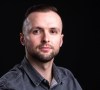
Taylor Allen Reporter
Eighteen years old and still in high school, Taylor got his start with the Free Press on June 1, 2011. Well, sort of...
Specialty Products

Colleen Zacharias Gardening columnist
Colleen Zacharias writes about many aspects of gardening including trends, plant recommendations, and how-to information that is uniquely relevant to Prairie gardeners.
Production

David Jón Fuller Copy editor
David Jón Fuller is a copy editor with a lifelong love of writing and working in newspapers.

Katie May Multimedia producer
Katie May is a multimedia producer for the Free Press.

Kelly Taylor Copy Editor, Autos Reporter
Kelly Taylor is a Winnipeg Free Press copy editor and award-winning automotive journalist; he also writes the Business Weekly newsletter.

Kittie Wong Page designer
Kittie Wong wears three different hats for the Winnipeg Free Press editorial department: page designer, picture editor and web editor.
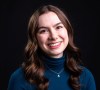
Nadya Pankiw Multimedia producer
Nadya works as a multimedia producer at the Free Press, curating the publication’s digital presence, creating posts for social media and crafting strategy to foster media literacy among youth.